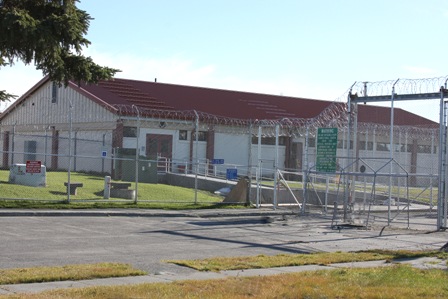
Wildwood Transitional Program
State Prison | Kenai Peninsula Borough — Alaska | WWCC | Alaska Department of Corrections
Wildwood Transitional Program is a minimum security correctional facility located at 11 Chugach Avenue in Kenai, Alaska, within Kenai Peninsula Borough County. Operated by the Alaska Department of Corrections, this facility houses male offenders who are transitioning back into the community. The program operates under the supervision of Superintendent Robert Hibpshman and focuses on preparing inmates for successful reintegration into society through structured programming and community-based supervision.
Families seeking information about incarcerated loved ones at Wildwood can search for inmates through the Alaska Department of Corrections online database. Approved visitors may schedule visitation according to facility guidelines, and families can send money to inmates through approved vendors. Arrest records and booking information are maintained by the Kenai Peninsula Borough authorities and the Alaska Department of Corrections.
Wildwood Transitional Program distinguishes itself within the Alaska correctional system as a community-based reentry facility specifically designed to bridge the gap between incarceration and independent living. Unlike traditional correctional institutions, Wildwood focuses on gradual reintegration, allowing eligible male offenders to participate in work release, community service, and employment opportunities while maintaining supervision. The program's location in Kenai provides access to Kenai Peninsula resources and employment opportunities, enabling residents to establish community connections before full release. This transitional model emphasizes accountability, structured programming, and monitored independence, helping participants develop the skills and support networks necessary for successful long-term reentry into Alaska communities.
The Wildwood Transitional Program houses male offenders who have been classified as minimum security risks and are in the final stages of their sentences. The population consists primarily of sentenced inmates who have demonstrated appropriate behavior and readiness for community reintegration through their conduct at higher security facilities. Offenders at Wildwood have typically been convicted of non-violent crimes or have progressed through the Alaska correctional system earning lower custody classifications. The facility does not house pre-trial detainees. Residents are carefully screened and selected based on their institutional adjustment, program participation, release dates, and assessed risk to the community. Many participants are preparing for parole or approaching their projected release dates, making the transitional programming particularly relevant to their immediate needs and circumstances.
Wildwood Transitional Program provides dormitory-style housing that reflects the facility's transitional mission and minimum security classification. Living arrangements are less restrictive than traditional correctional housing, designed to gradually acclimate residents to community living while maintaining appropriate supervision and structure. Residents receive three meals daily prepared according to Alaska Department of Corrections nutritional standards. The facility provides access to recreational opportunities that may include indoor and outdoor activities, though specific amenities vary based on program schedules and facility resources. Medical services are available through the Alaska Department of Corrections health services system, with residents receiving necessary healthcare and medications. Mental health services and counseling are accessible to address substance abuse issues, behavioral health needs, and reentry challenges. Residents can address concerns through the Alaska Department of Corrections grievance process, which allows formal complaint submission and administrative review. The structured environment balances accountability with increasing personal responsibility as residents prepare for release.
Wildwood Transitional Program emphasizes reentry programming designed to address the specific needs of inmates preparing for community release. Educational opportunities include GED preparation and completion for residents lacking high school credentials, as well as adult basic education to improve literacy and employment readiness. Vocational training and job readiness programming help participants develop marketable skills and employment connections in the Kenai Peninsula area. Substance abuse treatment is a core component, with many residents participating in counseling, group therapy, and recovery support programs addressing addiction issues. Religious services and faith-based programming are available for residents seeking spiritual support. The facility's primary focus is comprehensive reentry preparation, including life skills development, financial literacy, housing planning, and community resource connection. Work release opportunities allow approved residents to maintain employment in the Kenai community while under supervision, establishing work history and financial stability before full release.
Work assignments at Wildwood Transitional Program focus on both facility maintenance operations and community-based employment opportunities. Inside the facility, residents participate in essential operations including food service, janitorial duties, grounds maintenance, and general facility upkeep. These assignments teach work responsibility while maintaining the program's daily operations. The facility's transitional mission emphasizes outside work opportunities, with eligible residents participating in supervised work release programs that allow employment at community businesses and organizations throughout the Kenai area. These work assignments provide income, employment references, and practical job experience that directly support successful reintegration. Community service projects may also be incorporated, allowing residents to contribute positively to the Kenai Peninsula community while developing accountability and work ethic.
Wildwood Transitional Program was established as part of the Alaska Department of Corrections' efforts to provide structured reentry opportunities for offenders transitioning from incarceration to community supervision. Located in Kenai on the Kenai Peninsula, the facility serves Alaska's south-central region by providing a community-based alternative to traditional incarceration for minimum security inmates approaching release. The program developed in response to research demonstrating that gradual, supervised reintegration reduces recidivism and improves public safety outcomes compared to direct release from secure facilities. Wildwood has operated under various superintendents, currently under Robert Hibpshman's leadership, maintaining its focus on structured transitional programming. The facility's role within the Alaska correctional system remains centered on providing the final step in the incarceration-to-community continuum, helping residents successfully navigate the challenges of reentry while maintaining public safety through appropriate supervision and support services tailored to individual reintegration needs.
Visitation at Wildwood Transitional Program allows approved family members and friends to maintain important connections with residents during their transition period. All visitors must be on the resident's approved visitor list and undergo a background review process before being granted visitation privileges. Visitors must present valid government-issued photo identification upon arrival. Appropriate dress codes are enforced, with restrictions on revealing clothing, gang-affiliated attire, and clothing resembling institutional uniforms. Visitation schedules and procedures are subject to facility operational needs and individual resident program participation. Given the transitional nature of the program, visitation policies may differ from traditional correctional facilities. Families should contact Wildwood Transitional Program directly before traveling to confirm current visitation hours, specific requirements, and any schedule changes to ensure a successful visit.
Mail sent to residents at Wildwood Transitional Program must include the inmate's full name and Alaska Department of Corrections identification number, addressed to 11 Chugach Avenue, Kenai, Alaska 99611. All incoming mail is subject to inspection according to Alaska Department of Corrections security procedures. Books, magazines, and publications typically must be sent directly from approved vendors or publishers rather than individuals to comply with facility security policies. Residents may have access to telephone privileges through approved phone account systems that allow prepaid or collect calls to approved phone numbers. Families should verify current communication policies, as transitional facilities may offer expanded communication options compared to higher security institutions. Email or electronic messaging availability varies and families should confirm what communication methods are currently supported for residents at Wildwood.
Sponsored and Powered by our Partner TruthFinder
Quick Facts
Should I Be Concerned? — Family Guide
Wildwood Transitional Program's minimum security status and zero staff assaults on record indicate a safe facility environment. The transitional focus means residents are typically lower-risk offenders preparing for release. Visitors should expect a more relaxed atmosphere than higher-security facilities, though standard security procedures apply. Contact the facility directly to confirm current visiting policies and any COVID-19 protocols before traveling to Kenai.
Neighborhood & Getting There
Wildwood Transitional Program is located in Kenai, a town of approximately 7,400 people on the Kenai Peninsula, about 160 miles south of Anchorage (approximately 3-hour drive). The facility sits in Alaska's southcentral region, known for outdoor recreation and fishing. Kenai has basic hotel options including the Upland Hotel and Aspen Hotel, both on the Sterling Highway corridor. The area offers limited dining and services typical of rural Alaska communities. Winter travel conditions require preparation; summer offers more accessible road conditions for visitors from Anchorage.