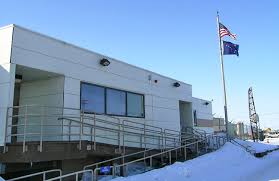
Yukon Kuskokwim Correctional Center
State Prison | Bethel County — Alaska | YKCC | Alaska Department of Corrections
Yukon Kuskokwim Correctional Center is a state correctional facility located at 1000 Chief Eddie Hoffman Highway in Bethel, Alaska. Operated by the Alaska Department of Corrections since 1984, this facility serves the Yukon-Kuskokwim Delta region with minimum to medium security housing for male inmates. With a capacity of 207 beds, the center functions as a regional detention facility under the leadership of Warden L. Dean Marshall, providing custody and programming for inmates from one of Alaska's most remote and geographically expansive service areas.
Families seeking information about inmates at Yukon Kuskokwim Correctional Center can conduct inmate searches through the Alaska Department of Corrections online offender locator system. The facility processes arrest records for individuals detained in the Bethel area and surrounding communities. Loved ones can send money to inmates, schedule approved visits, and maintain contact through mail and phone services established by the institution.
Yukon Kuskokwim Correctional Center stands as the only state correctional facility serving Alaska's vast Yukon-Kuskokwim Delta, an area spanning over 75,000 square miles with more than 50 predominantly Alaska Native villages. The facility's location in Bethel places it at the regional hub for one of the most isolated and culturally distinct regions in the United States, accessible primarily by air and water. This unique geographic position requires the center to accommodate inmates from remote communities with distinct cultural backgrounds and language needs, serving populations from villages scattered across the tundra where subsistence living remains central to daily life and traditional Yup'ik culture predominates.
The inmate population at Yukon Kuskokwim Correctional Center reflects the demographic and social challenges facing Alaska's rural communities, with a significant proportion of Alaska Native inmates from Yup'ik and Cup'ik communities throughout the delta region. The facility houses both pre-trial detainees awaiting court proceedings and sentenced offenders serving terms for various offenses. Common charges include alcohol-related offenses, assault, domestic violence, and property crimes, reflecting patterns prevalent in isolated communities with limited law enforcement presence and substance abuse challenges. The population includes inmates requiring special accommodation for language barriers, cultural considerations, and varying levels of familiarity with institutional settings, as many come from small villages with populations under 500 residents where traditional subsistence lifestyles remain common.
Yukon Kuskokwim Correctional Center provides housing appropriate to its minimum to medium security classification, with inmates residing in dormitory-style units and cell blocks depending on their custody level and behavior. The facility serves three meals daily prepared in accordance with nutritional standards and, where possible, incorporating foods familiar to Alaska Native inmates. Recreation opportunities include indoor and outdoor activities adapted to Bethel's subarctic climate, where winter temperatures frequently drop well below zero and summer brings extended daylight hours. Medical services address both routine healthcare needs and conditions common in rural Alaska populations, including dental care and chronic disease management. Mental health services recognize the elevated rates of trauma, substance abuse, and depression affecting inmates from remote communities facing economic hardship and cultural transition. The facility maintains a formal grievance process allowing inmates to address concerns about conditions, treatment, or policy matters through established administrative channels, with procedures outlined in the inmate handbook provided upon intake.
Yukon Kuskokwim Correctional Center offers educational programming including GED preparation and adult basic education, particularly important given that many inmates come from villages with limited secondary educational opportunities. Vocational training provides practical skills applicable to employment in rural Alaska communities upon release. Substance abuse treatment programs address alcohol and drug dependency, major contributing factors to incarceration in the region, incorporating both clinical approaches and culturally relevant recovery models that acknowledge Alaska Native traditions and community healing practices. Religious services accommodate various faith traditions while respecting indigenous spiritual practices. Re-entry planning focuses on the unique challenges inmates face returning to isolated villages with limited employment, few social services, and ongoing exposure to substance abuse environments, coordinating with tribal organizations and village councils when possible to support successful community reintegration.
Inmates at Yukon Kuskokwim Correctional Center participate in work assignments that maintain facility operations and provide practical work experience. Inside job assignments include kitchen duties preparing meals for the inmate population, janitorial services maintaining cleanliness throughout housing units and common areas, laundry operations, and facility maintenance tasks. These work assignments teach responsibility and job skills while reducing operational costs. Given Bethel's remote location and limited infrastructure, work opportunities differ from those at urban correctional facilities, focusing primarily on internal institutional needs rather than extensive outside work crews or prison industries, though some inmates may participate in supervised community service projects when security classification and community needs align.
Yukon Kuskokwim Correctional Center opened in 1984 to address the need for regional detention capacity in western Alaska, replacing inadequate local holding facilities that could not meet long-term custody requirements. The facility was established during a period when Alaska recognized the necessity of providing correctional services closer to remote communities rather than transporting all inmates to facilities in Anchorage or other road-connected locations. Named for the two major river systems that define the region—the Yukon and Kuskokwim Rivers—the center represented a significant investment in criminal justice infrastructure for rural Alaska. The facility's location in Bethel, the regional hub accessible by air year-round and by barge during ice-free months, allowed families from delta villages to maintain connections with incarcerated relatives more readily than if inmates were held in distant urban centers. Today, the facility continues serving this critical regional role under Alaska Department of Corrections administration.
Visitation at Yukon Kuskokwim Correctional Center allows approved family members and friends to maintain connections with inmates under established guidelines. Visitors must present valid government-issued photo identification upon arrival and comply with the facility's dress code prohibiting revealing clothing, gang-related attire, and items that could pose security concerns. The visitor approval process requires advance registration, and visitors should expect background screening before being placed on an inmate's approved visitor list. Visitation scheduling follows specific days and times determined by housing unit and inmate classification. Given Bethel's remote location and limited flight schedules from surrounding villages, families traveling significant distances should call the facility ahead of time to confirm visitation hours, verify their approval status, and understand current policies to avoid wasted travel expenses and disappointment.
Families can send mail to inmates at Yukon Kuskokwim Correctional Center by addressing correspondence with the inmate's full legal name and Department of Corrections identification number, followed by the facility address at 1000 Chief Eddie Hoffman Highway, P.O. Box 400, Bethel, AK 99559. All incoming mail undergoes inspection for contraband and prohibited items. Books and publications must typically be sent directly from approved vendors or publishers rather than from individuals. Inmates can make phone calls to approved numbers through the facility's telephone system using prepaid phone accounts established by friends or family members. Families should contact the facility to learn about current phone service providers and account setup procedures. Email or electronic messaging availability depends on current Alaska Department of Corrections policies and contracted services.
Sponsored and Powered by our Partner TruthFinder
Quick Facts
Should I Be Concerned? — Family Guide
Yukon Kuskokwim Correctional Center maintains a safe visiting environment with its minimum-medium security classification and zero reported staff assaults, indicating effective facility management. The unknown current occupancy rate suggests the facility is operating within manageable levels. When visiting, expect standard security procedures including bag checks and ID verification; contact the facility ahead of time to confirm visiting schedules and any facility-specific restrictions that may apply.
Neighborhood & Getting There
Bethel is a remote hub community in southwest Alaska, accessible primarily by air from Anchorage (approximately 1 hour flight). Located in Bethel County along the Kuskokwim River, the town serves as the regional center for the Yukon-Kuskokwim Delta region. Visitors will find limited hotel options including Bentley's Premier Motel and a few bed-and-breakfast accommodations. The area experiences extreme seasonal weather variations, with winter travel challenges common. Flying into Bethel-Municibal Airport is the primary transportation method for most visitors.