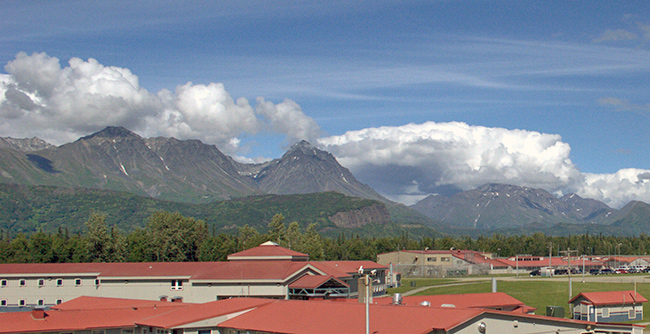
Palmer Correctional Center
State Prison | Matanuska-Susitna County — Alaska | Alaska Department of Corrections
Palmer Correctional Center is a state correctional facility located in Palmer, Alaska, within Matanuska-Susitna County. Operated by the Alaska Department of Corrections, this institution houses male inmates across minimum to medium security classifications. Established in 1962, the facility currently holds approximately 475 inmates with a total capacity of 492. Warden Tomi Anderson oversees daily operations at this institution serving Alaska's criminal justice system.
Families seeking information about inmates at Palmer Correctional Center can search for arrest records and inmate details through the Alaska Department of Corrections database. The facility provides options for sending money to incarcerated loved ones, scheduling visits, and maintaining contact through approved communication channels throughout the incarceration period.
Palmer Correctional Center serves as one of Alaska's key transitional facilities, bridging the gap between secure confinement and community reintegration. Its location in the Matanuska-Susitna Valley provides unique opportunities for inmates to participate in work programs that support Alaska's agricultural community and local infrastructure needs. The facility's dual security classification allows it to house both minimum and medium custody inmates, enabling progressive movement through custody levels as inmates demonstrate positive behavior and prepare for release. This flexible classification system supports individualized rehabilitation paths while maintaining appropriate security measures.
Palmer Correctional Center houses approximately 475 male inmates classified as minimum to medium security risks. The population includes both sentenced offenders serving their prison terms and pre-trial detainees awaiting court proceedings in Matanuska-Susitna County and surrounding jurisdictions. Inmates have been convicted of or charged with various offenses ranging from property crimes and drug-related violations to more serious felonies requiring medium custody supervision. The facility's classification system assesses each inmate's security level, programming needs, and custody requirements. Special management considerations include inmates requiring protective custody, those with medical needs, and individuals participating in work release or transitional programs as they prepare for community reentry.
Palmer Correctional Center provides housing in both dormitory-style units for minimum security inmates and more secure cell-based housing for medium custody populations. Inmates receive three meals daily prepared according to nutritional standards and dietary requirements including religious and medical accommodations. The facility offers recreational opportunities including outdoor exercise yards, gymnasium access, and structured physical activity programs appropriate to each security level. Medical services include routine healthcare, sick call, chronic disease management, and emergency treatment through contracted providers and Alaska Department of Corrections medical staff. Mental health services address behavioral health needs through assessments, counseling, and psychiatric care when necessary. Inmates have access to a formal grievance process to address concerns about conditions, treatment, or facility operations, with procedures outlined in the Alaska Department of Corrections policies ensuring administrative review of complaints.
Palmer Correctional Center offers educational programs including adult basic education and GED preparation for inmates without high school credentials. Vocational training opportunities focus on employable skills relevant to Alaska's job market, helping inmates develop practical abilities for post-release employment. Substance abuse treatment programs address addiction issues through group counseling, individual therapy, and evidence-based curriculum designed to reduce recidivism. Religious services and spiritual programming accommodate various faith traditions through volunteer chaplains and community religious organizations. Re-entry preparation programs become increasingly important as release dates approach, covering topics such as employment readiness, housing assistance, identification documents, and community resources. These programs aim to reduce the likelihood of return to incarceration by addressing factors that contribute to criminal behavior.
Inmates at Palmer Correctional Center participate in various work assignments that maintain facility operations and develop employment skills. Inside jobs include kitchen duties, janitorial services, laundry operations, and maintenance tasks that keep the institution functioning. Minimum security inmates may qualify for outside work assignments supporting Alaska Department of Corrections facilities, public agencies, and community projects. Work opportunities may include grounds maintenance, construction projects, and seasonal activities appropriate to Alaska's environment. These assignments provide inmates with job skills, work history, and responsibility while contributing to the facility's operation and public service projects throughout the Matanuska-Susitna region.
Palmer Correctional Center was established in 1962 to address Alaska's growing correctional needs during the state's early years following admission to the United States. The facility's location in Palmer positioned it to serve the developing Matanuska-Susitna Valley and provide correctional services for southcentral Alaska. Over the decades, Palmer Correctional Center has undergone expansions and modifications to accommodate changing population levels and evolving correctional practices. The facility has adapted to Alaska's unique geographic and climatic challenges while serving the state's criminal justice system. Today, Palmer Correctional Center continues its role as a significant component of Alaska's correctional infrastructure, housing male inmates across minimum to medium security classifications and providing programming aimed at reducing recidivism and supporting successful community reintegration.
Visitation at Palmer Correctional Center requires advance approval through the Alaska Department of Corrections visitor application process. All visitors must present valid government-issued photo identification before entering the facility. Dress code requirements prohibit clothing that resembles institutional uniforms, revealing attire, and items that could compromise facility security. Visitors should review specific restrictions regarding jewelry, personal belongings, and prohibited items before arrival. Visitation schedules vary by housing unit and security classification, with specific days and times assigned to different inmate populations. Families should contact Palmer Correctional Center directly before traveling to confirm current visitation procedures, schedules, and any temporary restrictions that may affect their planned visit.
Mail sent to inmates at Palmer Correctional Center must include the inmate's full legal name, Alaska Department of Corrections identification number, and the complete facility address at P.O. Box 919, Palmer, Alaska 99645. All incoming correspondence undergoes inspection for security purposes before delivery. Families may send books and publications through approved vendors that ship directly to the facility, as personal packages are typically not permitted. Inmates can make phone calls through the facility's telephone system using prepaid calling accounts established by friends and family members. Families should check with Alaska Department of Corrections regarding electronic messaging options that may be available for maintaining contact with incarcerated loved ones.
Sponsored and Powered by our Partner TruthFinder
Quick Facts
Should I Be Concerned? — Family Guide
Palmer Correctional Center maintains a strong safety record with zero staff assaults and operates at 97% capacity, indicating stable management. As a minimum to medium security facility, it houses lower to moderate-risk inmates with robust programming and supervision. Visitors can expect professional operations and secure visiting environments. Schedule visits in advance and arrive early to allow time for security screening procedures.
Neighborhood & Getting There
Palmer Correctional Center is located in Palmer, Alaska, the county seat of Matanuska-Susitna County in south-central Alaska. The facility sits approximately 42 miles north of Anchorage, Alaska's largest city, accessible via the Glenn Highway. The Palmer area offers basic hotel accommodations and services along the highway corridor. The region features stunning Alaskan scenery with access to outdoor recreation. Plan approximately one hour driving time from Anchorage; winter weather may impact travel conditions.