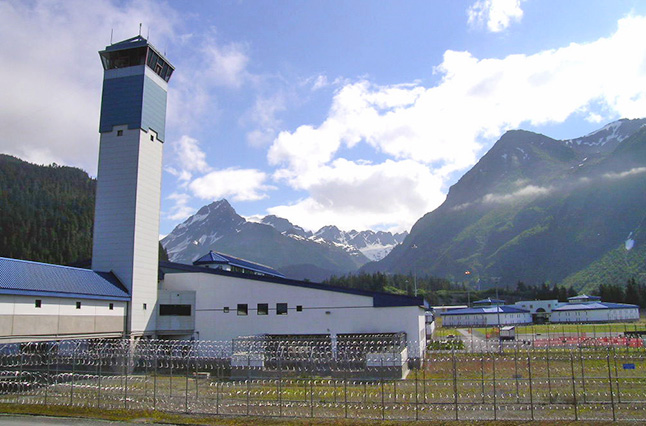
Spring Creek Correctional Center
State Prison | Kenai Peninsula Borough — Alaska | Alaska Department of Corrections
Spring Creek Correctional Center is a maximum-security (Level III) correctional facility located at 3600 Bette Cato in Seward, Alaska, within Kenai Peninsula Borough County. Operated by the Alaska Department of Corrections, the facility was established in 1988 and houses adult male inmates. Under the leadership of Warden William Lapinskas, Spring Creek maintains a current population of approximately 500 inmates with a total capacity of 525. The facility serves as one of Alaska's primary maximum-security institutions for male offenders.
Families seeking information about inmates at Spring Creek Correctional Center can search for loved ones through the Alaska Department of Corrections inmate locator system. Visitors can send money to inmates, schedule visits following facility protocols, and access arrest records. Understanding the facility's specific rules and procedures helps families maintain important connections with incarcerated individuals during their time at this Seward-based institution.
Spring Creek Correctional Center holds the distinction of being Alaska's southernmost major correctional facility, situated in the scenic coastal community of Seward on the Kenai Peninsula. Its remote location approximately 125 miles south of Anchorage presents unique logistical challenges for both operations and family visitation. The facility's position near Resurrection Bay means it operates in one of Alaska's more temperate climates compared to interior facilities, though harsh winter weather still impacts operations. This geographic isolation serves security purposes while requiring specialized transportation arrangements for inmate movement, court appearances, and medical transfers to Anchorage-area facilities when necessary.
Spring Creek Correctional Center houses approximately 500 male inmates classified at maximum-security Level III designation, representing some of Alaska's most serious offenders. The population includes individuals convicted of violent crimes, repeat offenders, and those requiring heightened security measures. As a sentenced facility rather than a pre-trial holding center, Spring Creek primarily houses inmates serving longer sentences for felony convictions including murder, assault, robbery, and serious drug offenses. The facility also maintains special management units for inmates requiring administrative segregation or protective custody. Given Alaska's unique demographics and criminal justice challenges, the population includes inmates from diverse backgrounds, including Alaska Native individuals from communities across the state who may be housed far from their home villages and families.
Spring Creek Correctional Center utilizes a combination of cell-based housing and dormitory-style units appropriate for its maximum-security classification. Inmates are housed according to their security level, behavior record, and program participation. The facility provides three meals daily prepared on-site, with special dietary accommodations available for medical or religious requirements. Recreational opportunities include indoor and outdoor exercise areas, though Alaska's climate necessitates substantial indoor recreation space during winter months. The facility maintains medical services for routine healthcare needs, with more serious medical issues requiring transfer to community hospitals or Anchorage facilities. Mental health services address the psychological needs of the incarcerated population through counseling and psychiatric care. Inmates can file grievances through established administrative procedures when concerns arise about conditions or treatment. Library access, commissary privileges, and controlled personal property allowances are available based on security status and institutional behavior.
Spring Creek Correctional Center offers educational programs including GED preparation and adult basic education for inmates seeking to improve their academic credentials before release. Vocational training opportunities prepare inmates for employment after incarceration, focusing on skills relevant to Alaska's job market. Substance abuse treatment programs address the addiction issues that frequently contribute to criminal behavior, providing both group and individual counseling. Religious services and spiritual guidance are available through chaplaincy programs and visiting clergy representing various faiths. Re-entry planning assistance helps inmates prepare for release by developing housing plans, employment strategies, and community connections. Cognitive behavioral programs target thinking patterns that lead to criminal conduct, while anger management and life skills courses provide tools for successful community reintegration.
Inmates at Spring Creek Correctional Center participate in various work assignments that maintain facility operations while providing job skills and structure. Inside positions include kitchen duties, janitorial services, laundry operations, and maintenance work. Some inmates work in facility grounds maintenance when weather permits, addressing the unique challenges of Alaska's climate. The facility may offer limited industrial or vocational production programs appropriate to its security level. Work assignments provide inmates with modest compensation while teaching responsibility, teamwork, and employment habits valuable for post-release success. Participation in work programs often factors into classification decisions and early release considerations.
Spring Creek Correctional Center opened in 1988 to address Alaska's growing need for maximum-security bed space as the state's crime rate and incarcerated population increased during the 1980s. The facility was constructed in Seward partly due to available land and community acceptance, though its distance from Anchorage created ongoing logistical challenges. The location of a maximum-security prison in a small coastal community represented a significant shift in Seward's economy and character. Over its decades of operation, Spring Creek has housed some of Alaska's most notorious criminals while evolving its programs and security practices. The facility has weathered various incidents typical of maximum-security institutions while maintaining its role as a critical component of Alaska's correctional system. Under current leadership, Spring Creek continues serving as a primary long-term housing facility for male maximum-security inmates statewide.
Serial killer Robert Hanson, who was convicted of killing a number of women in the Anchorage, Alaska area.
Visitation at Spring Creek Correctional Center requires advance approval through the Alaska Department of Corrections visitor application process. All visitors must present valid government-issued photo identification upon arrival. The facility enforces strict dress code policies prohibiting revealing clothing, items resembling inmate uniforms, and anything that could compromise security. Visitors should expect thorough screening procedures including metal detection and possible search. Visitation schedules vary by housing unit and inmate classification status, with specific days and times assigned. Physical contact is limited according to maximum-security protocols. Families traveling to Seward from other Alaska communities should plan accordingly, as the remote location requires significant travel time. All visitors should contact the facility in advance to confirm current visitation policies, schedules, and any COVID-19 or emergency-related restrictions before making the journey.
Mail sent to inmates at Spring Creek Correctional Center must include the inmate's full legal name, Department of Corrections number, and the complete facility address: 3600 Bette Cato, Seward, Alaska 99664. All incoming mail undergoes inspection for security purposes, and items violating facility rules will be rejected. Books and publications must typically come directly from approved vendors or publishers rather than individuals. Inmates can make phone calls using the facility's telephone system, which requires recipients to establish prepaid accounts with the designated provider. Phone privileges depend on behavior and housing status. Some facilities offer electronic messaging or email systems through contracted vendors, though availability and specific procedures should be confirmed with Spring Creek administration before attempting to use such services.
Sponsored and Powered by our Partner TruthFinder
Quick Facts
Should I Be Concerned? — Family Guide
Spring Creek Correctional Center maintains a strong safety record with zero staff assaults and operates at 95% capacity, indicating well-managed operations. As a maximum security facility, visitors should expect thorough security screening, restricted contact, and controlled visitation areas. The facility's robust security protocols and stable inmate population provide a secure environment for visits. Plan ahead by checking visitation schedules and bringing proper identification to ensure a smooth entry process.
Neighborhood & Getting There
Spring Creek Correctional Center is located in Seward, Alaska, a scenic coastal town on the Kenai Peninsula approximately 130 miles south of Anchorage. The facility sits near the Gulf of Alaska and is accessible via the Seward Highway. Seward is a small community with limited hotel options; visitors often stay in Anchorage (2.5-hour drive) or nearby towns. The region offers natural beauty but limited commercial amenities, so plan accommodations well in advance during peak travel seasons.