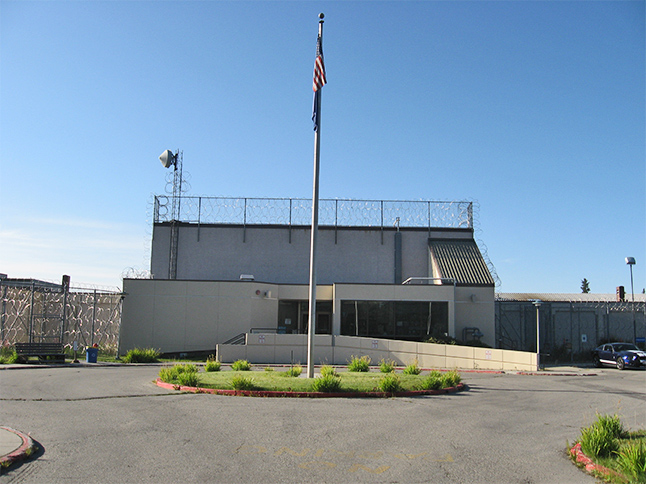
Fairbanks Correctional Center
State Prison | Fairbanks North Star County — Alaska | FCC | Alaska Department of Corrections
Fairbanks Correctional Center is a close-security state correctional facility located at 1931 Eagan Avenue in Fairbanks, Alaska 99701, within the Fairbanks North Star Borough. Operated by the Alaska Department of Corrections (DOC), the institution is an all-male facility with a rated capacity of approximately 257 inmates. The center serves as the primary correctional hub for Interior Alaska, processing individuals from Fairbanks and the vast surrounding region — including remote bush communities that stretch hundreds of miles in every direction — making it a geographically indispensable part of the state's corrections network.
The facility operates under close-security protocols, meaning inmates are subject to structured movement, regular counts, and a higher level of supervision than medium- or minimum-security institutions. Daily routines are carefully managed to maintain order while still allowing for programming, recreation, and personal development opportunities. Despite the inherent restrictions of a close-security environment, Fairbanks Correctional Center makes a genuine effort to provide communication options, educational programming, and support services that help maintain meaningful connections between incarcerated individuals and their families on the outside.
Families seeking information about a loved one held here can use the Alaska DOC's online inmate locator or search criminal records through a public records database to find current incarceration status, case details, and sentencing information. Fairbanks Correctional Center is one of several facilities listed in our directory of Alaska correctional facilities, and it plays an essential role in the state's overall incarceration infrastructure by keeping incarcerated Alaskans closer to their home communities and support systems.
What sets Fairbanks Correctional Center apart from virtually every other correctional facility in the United States is its extraordinary operating environment. Fairbanks is one of the coldest cities in North America, and the facility must function year-round in conditions that routinely see winter temperatures plummet to minus 40°F or colder — and occasionally drop past minus 50°F when wind chill is factored in. Managing a secure correctional institution under these conditions requires specialized infrastructure, operational planning, and staff training that simply does not exist at facilities in the lower 48 states.
The physical plant must be engineered to withstand prolonged extreme cold, with heavily insulated buildings, industrial heating systems, and redundant mechanical backups designed to prevent dangerous failures during the depths of an Interior Alaska winter. Outdoor recreation — a standard component of correctional programming nearly everywhere else — must be carefully managed to ensure inmate safety during the long, brutally cold winter months, while also taking advantage of the region's striking summer seasons, when daylight can stretch to nearly 22 hours a day.
Beyond the climate, Fairbanks Correctional Center occupies a unique position as the correctional gateway for one of the most remote populated regions on the continent. Many of the individuals processed here come from Alaska Native communities in the Interior that are accessible only by small plane or, in winter, by snowmachine. This means the facility serves a disproportionately high percentage of Alaska Native inmates, and the institution has worked to incorporate culturally relevant programming and services — including Alaska Native cultural activities and traditional healing practices — into its offerings wherever possible.
The combination of extreme climate demands, geographic isolation, and a culturally distinctive incarcerated population makes Fairbanks Correctional Center a genuinely unique institution — one that faces operational challenges that have no close parallel anywhere else in the American correctional system.
Fairbanks Correctional Center houses approximately 257 male inmates at any given time, though the actual population fluctuates regularly based on new intakes, transfers to or from other Alaska DOC facilities, court-ordered placements, and releases. The facility accommodates both pre-trial detainees — individuals who have been charged with a crime but not yet convicted and are awaiting trial or other court proceedings — and sentenced offenders who are serving terms handed down by Alaska state courts.
The demographic makeup of the population reflects Interior Alaska's broader community profile. A significant portion of inmates are Alaska Native, consistent with the well-documented and deeply troubling overrepresentation of Indigenous people in Alaska's correctional system. The facility serves individuals from Fairbanks and the Fairbanks North Star Borough, as well as a wide array of smaller communities and remote villages spread across the Interior region — including communities along the Yukon, Kuskokwim, and Tanana river corridors that have little or no local law enforcement infrastructure of their own.
In terms of offense types, the population includes individuals convicted of or charged with a wide range of crimes, from property and drug offenses to violent crimes. The close-security designation means the facility typically houses individuals whose risk level or offense history requires a higher degree of supervision than medium- or minimum-security settings can provide. Individuals may be reclassified and transferred to other facilities as their circumstances change, or moved to lower-security institutions as they demonstrate positive behavior and progress toward reentry goals.
Families who are unsure of a loved one's current placement within the Alaska DOC system can consult our guide on how to find an inmate for step-by-step instructions on locating someone in Alaska's correctional system.
Inmates at Fairbanks Correctional Center are housed in cellblocks and dormitory-style units assigned based on individual security classification, behavioral history, program participation, and any specific medical or mental health needs. The facility's close-security designation means that movement throughout the building is structured and supervised at all times, and inmates are expected to follow a daily schedule that governs meal times, recreation periods, work assignments, programming hours, and lights-out.
The facility provides three daily meals prepared in accordance with Alaska Department of Corrections nutritional standards. Menus are developed to meet basic caloric and dietary requirements and can accommodate documented medical dietary needs — such as diabetic diets or food allergies — when supported by health services staff. Inmates may also supplement their diet with approved items purchased through the facility's commissary, which typically includes snack foods, hygiene products, writing materials, and other personal items.
Given Fairbanks' extreme climate, the physical environment inside the facility is engineered to maintain safe and livable temperatures year-round. Heating systems are robust and regularly maintained, and the building's insulation is a fundamental operational necessity rather than a comfort amenity. Recreational opportunities are adjusted seasonally — outdoor recreation is available during the milder months, while indoor alternatives are emphasized during the long, deeply cold Interior Alaska winters.
Inmates have access to basic medical, dental, and mental health services provided through the Alaska DOC's health services program. Chronic conditions, acute illnesses, and mental health needs are managed on-site when possible, with referrals to outside providers made when the level of care required exceeds what the facility can deliver internally. Hygiene supplies are provided, and laundry services ensure that inmates have access to clean clothing and bedding on a regular basis.
Living conditions at Fairbanks Correctional Center reflect the dual mandate of Alaska's correctional system: maintaining safety and security while providing a humane environment in which individuals can work toward positive change and eventual reintegration into their communities.
Fairbanks Correctional Center offers a range of programs designed to address the educational, vocational, behavioral, and spiritual needs of its incarcerated population. While specific program availability may vary based on staffing levels, funding cycles, and facility capacity at any given time, the center works consistently to provide meaningful opportunities for personal development, skill-building, and reentry preparation.
Educational programming includes GED preparation and adult basic literacy instruction for inmates who have not completed a high school diploma or equivalent. Academic tutoring and self-study materials are available to support individuals working toward their credentials. Completing a GED or improving foundational literacy skills has a well-documented positive effect on post-release employment outcomes and long-term recidivism reduction.
Substance abuse treatment is a core component of programming at Fairbanks Correctional Center, reflecting the significant role that addiction plays in the criminal histories of a large portion of the incarcerated population. Structured treatment programs — which may include cognitive-behavioral approaches, group counseling, and peer support models — help inmates identify and address the root causes of substance dependency and develop healthier coping strategies for life after release.
Behavioral programming, including cognitive restructuring and anger management courses, is offered to help inmates develop better decision-making skills, impulse control, and emotional regulation. These evidence-based programs are widely recognized as effective tools for reducing the likelihood of reoffending after release.
Vocational and work programs give inmates the opportunity to develop practical job skills and contribute to the facility's daily operations. Work assignments may include food service, janitorial duties, laundry, and facility maintenance — all of which build transferable skills and work habits that are valuable upon release.
Reflecting the unique cultural composition of its population, Fairbanks Correctional Center also works to incorporate Alaska Native cultural programming, including traditional healing practices, cultural events, and connections to tribal organizations where possible. This culturally responsive approach is widely supported by research as an important factor in successful rehabilitation for Indigenous incarcerated individuals.
Religious and spiritual services are available through volunteer chaplains and community faith organizations, with accommodations made for a variety of faith traditions. Visitation from spiritual advisors is permitted in accordance with facility scheduling and security protocols.
Work assignments at Fairbanks Correctional Center include essential facility maintenance positions such as kitchen duty, janitorial services, laundry operations, and building maintenance crews. Inmates may work in food preparation and serving, ensuring daily meal services operate efficiently. Grounds maintenance work continues seasonally when weather permits outdoor activities. Some inmates qualify for positions supporting administrative functions or facility operations under staff supervision. These work assignments provide structure, reduce idleness, and help inmates develop workplace habits beneficial for post-release employment. Participation in work programs may also earn inmates privileges or sentence credits depending on their classification and the specific assignment.
Fairbanks Correctional Center was established in 1965, just six years after Alaska achieved statehood in 1959. Its founding reflected an immediate and practical need: Alaska's extraordinary geographic scale made it logistically impossible — and deeply disruptive to families — to rely on a single centralized facility to house all of the state's incarcerated population. With Interior Alaska covering a territory larger than many entire U.S. states, a regional facility in Fairbanks was critical to ensuring that inmates could remain reasonably close to their home communities, legal representatives, and support networks.
In the years and decades following its opening, the facility underwent a series of modifications and operational expansions designed to keep pace with Alaska's shifting demographics, population growth, and evolving correctional policies. The rapid development of Alaska's oil industry in the 1970s brought significant population increases to Fairbanks and the surrounding region, which in turn placed greater demands on the local correctional system. The facility adapted over time, expanding its capacity and refining its operational approach to accommodate a more diverse incarcerated population with a wider range of needs.
Throughout the 1980s and 1990s, the Alaska Department of Corrections undertook statewide reforms aimed at improving rehabilitation outcomes and reducing recidivism. Fairbanks Correctional Center was part of those broader efforts, gradually incorporating structured programming, behavioral treatment options, and reentry planning services into its daily operations. The facility's close-security classification has remained consistent over the decades, reflecting the nature of the population it serves while still allowing room for individual progress and growth within its walls.
Today, Fairbanks Correctional Center stands as one of Alaska's longest-operating correctional institutions, with nearly six decades of service to the Interior Alaska region. Its history is inseparable from the broader story of Alaska's development as a state — and from the ongoing challenge of delivering fair, humane, and effective correctional services across one of the most demanding environments on earth.
No widely documented famous former inmates are associated with Fairbanks Correctional Center. The facility primarily serves the Interior Alaska region and has historically housed individuals from Fairbanks and surrounding communities rather than high-profile cases that attract national media attention. Families or researchers looking to learn more about someone who has been or is currently incarcerated at this facility can search criminal records through public records databases to access available arrest history, case details, and sentencing information where permitted by law.
Visiting an incarcerated loved one at Fairbanks Correctional Center requires advance planning and careful adherence to the Alaska Department of Corrections' visitor approval process. All visitors must be pre-approved before their first visit by submitting a completed visitor application to facility staff. Approval is not automatic — it is subject to a background review and may be denied based on criminal history, the nature of the visitor's relationship to the inmate, or other factors determined at the facility's discretion. Minors are typically permitted to visit when accompanied by an approved adult guardian.
Once approved, visitors should confirm current visitation schedules directly with the facility, as days and hours are subject to change based on staffing availability, facility lockdowns, or other operational factors. Visitation schedules at Fairbanks Correctional Center are generally structured on weekends and select weekday time slots, but this can vary. It is strongly recommended that families call the facility ahead of any planned visit to confirm that visitation is available and that the inmate remains at that location.
Dress code requirements apply to all visitors. Clothing that resembles inmate uniforms, is overly revealing, or contains inappropriate graphics or messaging will result in denial of entry. Visitors should arrive without prohibited items — weapons, drugs, alcohol, and unauthorized electronic devices are strictly forbidden and can result in criminal charges. All visitors are subject to search upon entry, which may include metal detector screening and, in some cases, pat-down searches.
Visitors traveling to Fairbanks from remote communities or from out of state should be aware of the logistical challenges unique to Interior Alaska. Winter travel conditions can be severe, and road access to Fairbanks from many communities may be limited or entirely unavailable during certain times of year. Planning visits well in advance and having a contingency plan for weather-related disruptions is strongly advised.
For full, up-to-date visitation rules and scheduling information, families should consult the official Fairbanks Correctional Center visitation page on the Alaska DOC website. Families may also want to explore options to send money to an inmate's commissary account to help supplement their loved one's daily needs between visits.
Staying in contact with an incarcerated loved one at Fairbanks Correctional Center is possible through several channels, including postal mail, telephone calls, and approved electronic messaging platforms. Each method has its own rules and procedures, and following them carefully ensures that your correspondence reaches the inmate without delay or rejection.
Mailing letters and cards is one of the most reliable and meaningful ways to stay connected. All incoming mail is inspected by facility staff before delivery to the inmate. Letters should be sent to the inmate's full name and DOC identification number at 1931 Eagan Avenue, Fairbanks, Alaska 99701. Envelopes should be plain white, and cards should not contain glitter, stickers, or other embellishments that may be flagged during inspection. Photographs are generally permitted in limited quantities but must comply with facility content guidelines. Do not send cash, checks, or prohibited materials through the mail.
Telephone calls are available to inmates during approved hours and are typically made through a contracted third-party phone service provider. Calls are made collect or through a prepaid account established by the inmate or family member. All calls are recorded and subject to monitoring, with the exception of calls to legal counsel. Rates and account setup procedures are governed by the service provider — families should contact the facility or check the Alaska DOC website for current provider information.
Electronic messaging services may be available through the platform used by the Alaska Department of Corrections, allowing families to send text-based messages and, in some cases, photos through a secure online portal. These services typically require account creation and may involve per-message fees. Check with the facility for the current approved messaging provider.
Sending money to an inmate's trust account allows them to purchase commissary items, cover phone costs, and access other approved services. Deposits can typically be made through the facility's contracted money transfer service — see our guide on how to send money to an inmate for detailed instructions. Do not send cash through the mail.
If you are unsure whether your loved one is currently housed at Fairbanks Correctional Center or has been transferred to another Alaska DOC facility, you can use the official Alaska VINE inmate locator to search for their current placement. For additional guidance, see our resource on how to find an inmate in the Alaska correctional system.
Sponsored and Powered by our Partner TruthFinder
Quick Facts
Should I Be Concerned? — Family Guide
Fairbanks Correctional Center maintains an exemplary safety record with zero documented staff assaults, reflecting professional management and effective security protocols. The facility implements comprehensive safety measures including controlled inmate movement, continuous monitoring, restricted privileges, and trained security personnel to ensure a secure environment for staff, visitors, and inmates.
Visitors should expect standard security procedures including identification verification, pat-downs, and bag inspections upon entry. These protocols are designed to maintain facility security while welcoming family contact, which research shows supports successful reintegration. All visitors must comply with facility rules, dress codes, and conduct expectations during visits.
Neighborhood & Getting There
Fairbanks Correctional Center is located on Eagan Avenue in Fairbanks, Alaska's second-largest city and the hub of interior Alaska. Situated approximately 360 miles north of Anchorage, the facility is accessible via the Parks Highway and Richardson Highway. The Fairbanks North Star Borough experiences dramatic seasonal changes with extreme temperature variations, ranging from -40°F in winter to 80°F in summer, so visitors should dress appropriately for the season.
The Fairbanks area offers several hotel options within 10-15 minutes of the facility, including mid-range chains and local accommodations. The downtown area features restaurants, services, and amenities. Winter visitors should plan for icy road conditions and reduced daylight hours (December averages only 3-4 hours of daylight), while summer brings nearly 24 hours of daylight. The nearby Chena River and local parks provide recreational opportunities during extended visits.