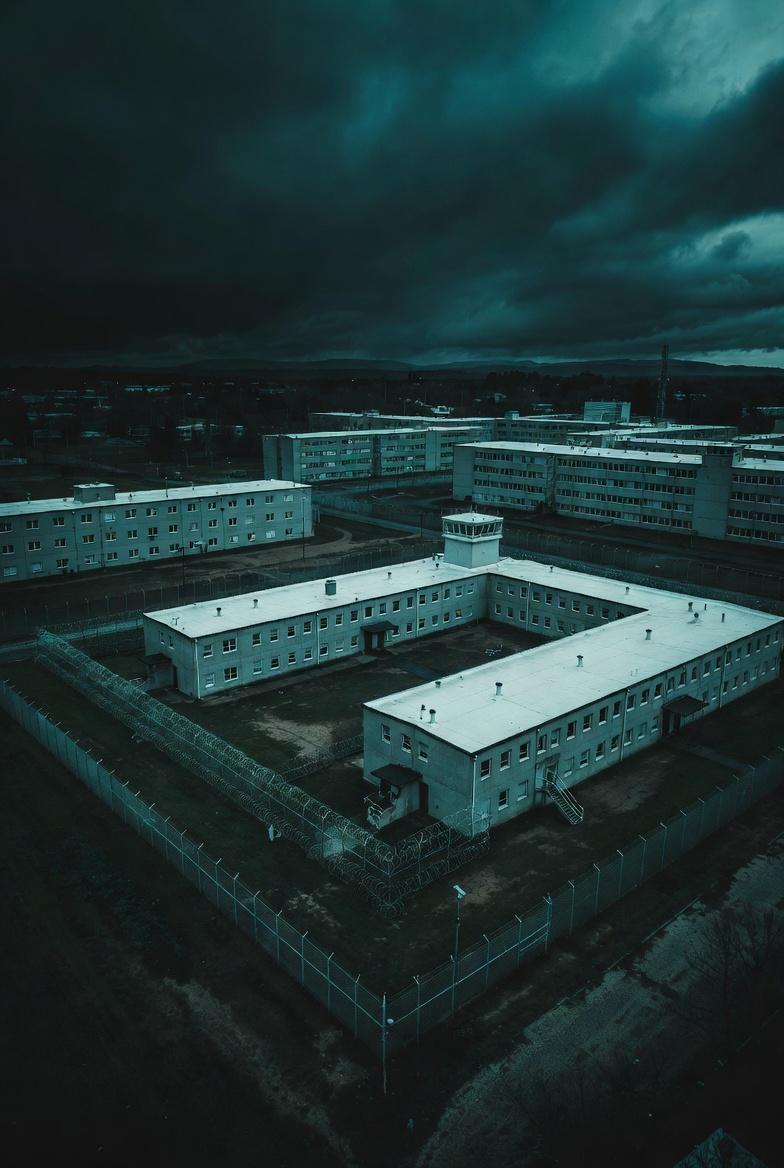
Arizona State Prison Complex - ASPC Yuma - Cheyenne Unit
State Prison | Yuma County — Arizona
The Arizona State Prison Complex Yuma - Cheyenne Unit is a medium-security correctional facility located at 7125 East Juan Sanchez Boulevard in San Luis Townsite, Arizona. Operated by the Arizona Department of Corrections, this unit houses adult male inmates who have been classified at the medium-security level. The Cheyenne Unit is part of the larger ASPC Yuma complex in Yuma County, situated near the United States-Mexico border in southwestern Arizona.
Families seeking to locate an incarcerated loved one can access inmate search tools through the Arizona Department of Corrections website. The facility provides various services for families including visitation opportunities, phone call systems, and approved methods to send funds to inmate accounts. Arrest records and booking information are maintained by local law enforcement agencies and the state corrections system.
The Cheyenne Unit distinguishes itself within the Arizona corrections system through its strategic location in San Luis Townsite, positioned along the border region of southwestern Arizona. As a designated medium-security unit within the ASPC Yuma complex, Cheyenne operates with specific security protocols tailored to its classification level, maintaining separate operations from the higher-security units within the same complex. The facility's position in Yuma County places it in one of Arizona's most geographically isolated correctional locations, creating unique challenges and considerations for both staff operations and family visitation. The unit serves an important function in Arizona's tiered correctional system by housing inmates who require more supervision than minimum-security populations but do not need maximum-security containment.
The Cheyenne Unit houses adult male offenders classified at the medium-security level within the Arizona Department of Corrections system. Medium-security classification typically includes inmates who have demonstrated stable institutional behavior but still require structured supervision and controlled movement. The population consists primarily of sentenced offenders serving terms for various felony convictions rather than pre-trial detainees, who are generally held at county jails. Inmates at this classification level may include those convicted of property crimes, drug offenses, and certain violent crimes based on their individual risk assessments and institutional conduct history. The facility accommodates inmates at different stages of their sentences, from those recently transferred from higher-security facilities to individuals preparing for eventual release or transfer to lower-security environments.
Inmates at the Cheyenne Unit reside in housing configurations typical of medium-security facilities, which may include dormitory-style units or multi-occupancy cells depending on the specific housing area. Daily schedules are structured around meal times, work assignments, and programming opportunities. The facility provides three meals daily prepared according to nutritional standards and dietary requirements established by the Arizona Department of Corrections. Recreational opportunities include outdoor yard time and indoor activities, with access controlled based on security protocols and facility scheduling. Medical services are available on-site for routine healthcare needs, with more specialized treatment provided through the larger ASPC Yuma complex or outside medical facilities when necessary. Mental health services include assessments, counseling, and crisis intervention for inmates requiring psychological support. Inmates have access to a formal grievance process through which they can address concerns about conditions, treatment, or policy matters, with responses provided according to departmental procedures and timelines.
The Cheyenne Unit offers educational programming including adult basic education and GED preparation courses for inmates seeking to complete their high school equivalency. Vocational training opportunities may be available to help inmates develop marketable job skills for post-release employment. Substance abuse treatment programs address addiction issues through group counseling, educational sessions, and recovery-focused activities, recognizing that chemical dependency contributes to many inmates' criminal histories. Religious services and faith-based programs are available for various denominations, providing spiritual support and values-based programming. Re-entry preparation programs help inmates develop transition plans, including employment strategies, housing resources, and community support connections. Program availability and enrollment depend on individual eligibility, facility resources, sentence length, and institutional behavior. Participation in programming can positively impact custody classification reviews and release consideration.
Inmates at the Cheyenne Unit participate in various work assignments that support facility operations and provide vocational experience. Inside job assignments include kitchen duties, janitorial services, laundry operations, and maintenance tasks necessary for daily institutional functioning. These positions teach work habits, responsibility, and practical skills while reducing operational costs. Some inmates may qualify for outside work crews or assignments within prison industries programs, depending on their security classification, sentence status, and behavioral record. Work assignments provide structured activity, can reduce inmate idle time, and may offer modest compensation credited to inmate accounts. Assignment availability depends on facility needs and individual eligibility criteria.
The ASPC Yuma complex has served as a significant component of Arizona's correctional system in the border region of Yuma County for years. The Cheyenne Unit was developed as a medium-security component within the larger complex to address the state's need for diversified custody-level housing. The San Luis area's geographic location presented both opportunities and challenges for correctional operations, including isolation from urban centers and proximity to international borders. The facility has evolved through various operational adjustments as the Arizona Department of Corrections has adapted its classification systems and management strategies. Throughout its operation, the Cheyenne Unit has maintained its role as a medium-security facility within Arizona's multi-tiered correctional infrastructure. Currently, the unit continues to house medium-custody male inmates as part of the state's broader correctional mission, adapting to changing policies and population management needs.
Visitation at the Cheyenne Unit provides approved family members and friends opportunities to maintain connections with incarcerated individuals. All visitors must be on the inmate's approved visitation list and must complete the application process through the Arizona Department of Corrections. Valid government-issued photo identification is required for all adult visitors. The facility enforces dress code policies prohibiting revealing clothing, gang-related attire, and clothing that resembles inmate uniforms. Visitors should expect security screening including metal detectors and possible search procedures. Visitation schedules are established based on housing assignments and facility operations. Families should contact the facility directly before traveling to confirm current visitation hours, scheduling procedures, and any temporary restrictions that may be in effect. Rules regarding physical contact, bringing items into the facility, and visit duration are strictly enforced.
Mail sent to inmates at the Cheyenne Unit should be addressed with the inmate's full legal name, Arizona Department of Corrections number, facility name, and the mailing address: PO Box 8939, San Luis, AZ 85349. All incoming mail is subject to inspection for security purposes, and certain items are prohibited. Books and magazines must typically be sent directly from approved publishers or vendors to comply with facility regulations. Inmates can place phone calls through the facility's telephone system using prepaid calling accounts that families can fund through approved vendors. Phone privileges depend on inmate conduct and facility policies. Some Arizona correctional facilities offer electronic messaging services, though families should verify current communication options directly with the facility or through the Arizona Department of Corrections.
Sponsored and Powered by our Partner TruthFinder
Quick Facts
Should I Be Concerned? — Family Guide
ASPC Yuma - Cheyenne Unit's medium security classification indicates a controlled environment with standard safety protocols. With zero reported staff assaults, the facility demonstrates a relatively stable operational record. When visiting, families should expect standard security procedures including metal detectors and bag checks. Arrive early, follow dress code guidelines, and bring valid identification to ensure smooth entry.
Neighborhood & Getting There
San Luis Townsite is located in southwestern Yuma County, Arizona, approximately 175 miles southwest of Phoenix and 50 miles south of Yuma city center. The remote rural location sits near the U.S.-Mexico border region. Limited lodging options exist nearby; most visitors utilize hotels in Yuma (45-60 minutes north) or San Luis Rio Colorado, Mexico. Highway 95 provides primary access to the facility from major routes.