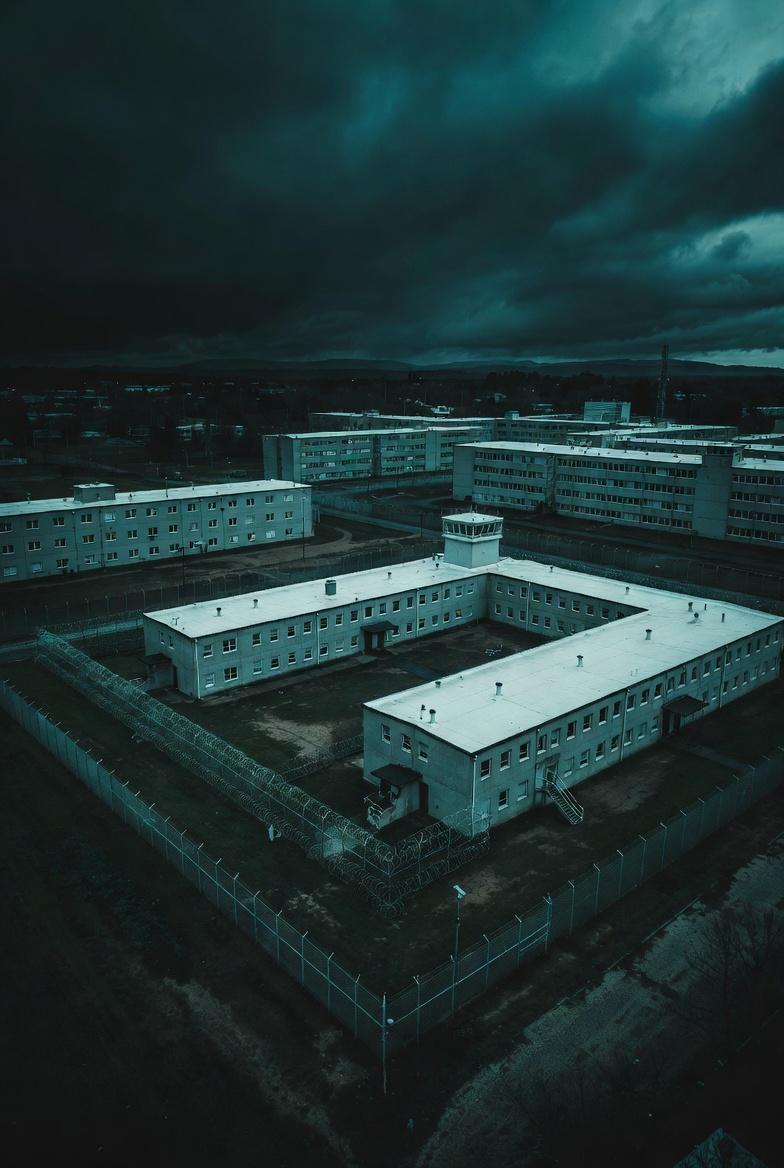
Arizona State Prison Complex - ASPC Douglas - Papago Unit
State Prison | Arizona County — Arizona
Arizona State Prison Complex - ASPC Douglas - Papago Unit is a medium-security correctional facility for male offenders located in Douglas, Cochise County, Arizona. The facility is part of the larger ASPC Douglas complex operated by the Arizona Department of Corrections, Rehabilitation and Reentry. Situated at 6913 North BDI Boulevard in southeastern Arizona near the Mexico border, the Papago Unit serves as one of several housing units within the Douglas prison complex, maintaining medium custody classifications for its inmate population.
Families seeking information about incarcerated individuals can search for inmates housed at the Papago Unit through the Arizona Department of Corrections online locator system. Visitors can access arrest records, send money to inmates through approved vendors, and schedule visitation by following facility-specific procedures. Understanding the rules and regulations for this particular unit helps families maintain meaningful connections with their loved ones during incarceration.
The Papago Unit's location in Douglas, Arizona places it in a unique geographical position within the state correctional system. Douglas sits directly on the United States-Mexico border in the remote southeastern corner of Arizona, approximately 120 miles from Tucson. This border town location creates distinct operational considerations for the facility, including enhanced security protocols and specialized staffing requirements. As part of the larger ASPC Douglas complex, the Papago Unit functions as a medium-security component within a multi-custody level institution, allowing for internal classification movements without requiring transfers to entirely different facilities across the state.
The Papago Unit houses adult male offenders classified at medium custody level within the Arizona corrections system. Medium-security classification typically includes inmates who have demonstrated they require more supervision than minimum-security populations but do not pose the security risks associated with maximum or close custody levels. The population generally consists of sentenced offenders serving time for various felony convictions rather than pre-trial detainees, as Arizona state prisons primarily house post-conviction inmates. Classification decisions consider factors including criminal history, sentence length, institutional behavior, and program participation. The medium-security designation allows for more programming opportunities and privileges compared to higher security levels while maintaining appropriate safety measures for staff and inmates.
Inmates at the Papago Unit reside in housing configurations typical of medium-security facilities, which may include dormitory-style or cell-based arrangements depending on the specific building within the unit. Daily routines include scheduled meal times in dining facilities, with food services providing three meals that meet nutritional standards established by correctional regulations. Recreation opportunities include access to outdoor yards during designated times, indoor common areas, and physical fitness equipment appropriate for the security level. Medical services are available through the Arizona Department of Corrections healthcare system, with on-site medical staff handling routine care and referrals to higher-level facilities for specialized treatment needs.
Mental health services provide screening, assessment, and treatment for inmates with psychological health needs. The facility operates under Arizona Department of Corrections policies regarding inmate rights, including access to a formal grievance process that allows inmates to address concerns about conditions, staff interactions, or policy violations. This administrative remedy system provides multiple levels of review for inmate complaints and appeals.
The Papago Unit offers programming designed to support rehabilitation and prepare inmates for eventual release. Educational opportunities include adult basic education classes and GED preparation for inmates who have not completed high school, with testing available for those ready to earn their equivalency diploma. Vocational training programs may be available depending on facility resources and inmate eligibility, providing skills in trades that can support post-release employment. Substance abuse treatment addresses addiction issues that frequently contribute to criminal behavior, with various levels of programming from educational classes to intensive therapeutic communities. Religious services accommodate multiple faith traditions through volunteer chaplains and community religious organizations. Re-entry preparation programs help inmates develop release plans, including assistance with identifying housing resources, employment prospects, and community support systems to reduce recidivism after completing their sentences.
Work assignments at the Papago Unit provide structure to the daily routine while teaching responsibility and work habits. Inside facility jobs include kitchen workers who assist with meal preparation and service, maintenance crews who handle general repairs and upkeep of buildings and grounds, sanitation workers responsible for cleaning common areas, and porters who maintain housing units. Laundry operations require workers to process clothing and linens for the inmate population. Administrative support positions may be available for qualified inmates. These work assignments provide modest compensation through the inmate account system while reducing operational costs and giving inmates productive activities during their incarceration period.
The ASPC Douglas complex developed as part of Arizona's prison expansion during periods of increasing incarceration rates. Douglas was selected as a prison location due to available land, economic development opportunities for the border community, and distance from major population centers. The complex has grown over time to include multiple units with varying security levels, with the Papago Unit serving the medium-security population. Like other Arizona correctional facilities, ASPC Douglas has experienced the challenges common to state prison systems, including managing population fluctuations, maintaining adequate staffing levels in a remote location, and adapting to changing correctional philosophies that increasingly emphasize rehabilitation alongside security. The facility continues to serve as a significant component of Arizona's correctional infrastructure, housing inmates from across the state who meet the classification criteria for medium-security placement in southeastern Arizona.
Visitation at the Papago Unit allows families to maintain connections with incarcerated loved ones following Arizona Department of Corrections regulations. All visitors must be approved through a formal application process before their first visit, which includes background checks and review of relationships to the inmate. Valid government-issued photo identification is required for all adult visitors. Dress code policies prohibit clothing that resembles inmate uniforms, revealing or provocative attire, and items that could pose security concerns. Visitation scheduling procedures should be confirmed by calling the facility in advance, as schedules vary and changes may occur. Visitors should expect security screening including metal detectors and possible searches. Families are strongly encouraged to contact the Papago Unit directly before traveling to confirm current visitation days, times, and any special requirements or restrictions.
To send mail to an inmate at the Papago Unit, correspondence should be addressed with the inmate's full legal name, Arizona Department of Corrections number, facility name (ASPC Douglas - Papago Unit), and the mailing address: PO Box 5005, Douglas, AZ 85608. All incoming mail is subject to inspection for contraband and prohibited items. Books, magazines, and publications must typically be sent directly from approved vendors or publishers rather than from individuals. Inmates can receive phone privileges through approved phone account systems, with families able to set up prepaid or collect call accounts through the designated provider. Some Arizona facilities offer email messaging systems through contracted vendors, though availability and procedures should be confirmed for the specific unit before attempting to use electronic communication services.
Sponsored and Powered by our Partner TruthFinder
Quick Facts
Should I Be Concerned? — Family Guide
ASPC Douglas - Papago Unit maintains a medium-security environment with no reported staff assaults on record, indicating a relatively stable facility. With unknown current occupancy levels, the facility appears manageable. Visitors should expect standard security procedures including metal detectors, ID verification, and property restrictions; dress codes are enforced, and clear bags are recommended for smoother entry.
Neighborhood & Getting There
Douglas, Arizona is located in Cochise County in southeastern Arizona, approximately 120 miles southeast of Phoenix and near the U.S.-Mexico border. The town serves as a regional hub with basic services. Visitors from Phoenix should plan 2+ hours driving time. Limited hotel options exist in Douglas; nearby Sierra Vista (30 miles north) offers more accommodations. I-10 provides highway access via local routes. The area is rural with desert landscape and requires planning for travel and supplies.