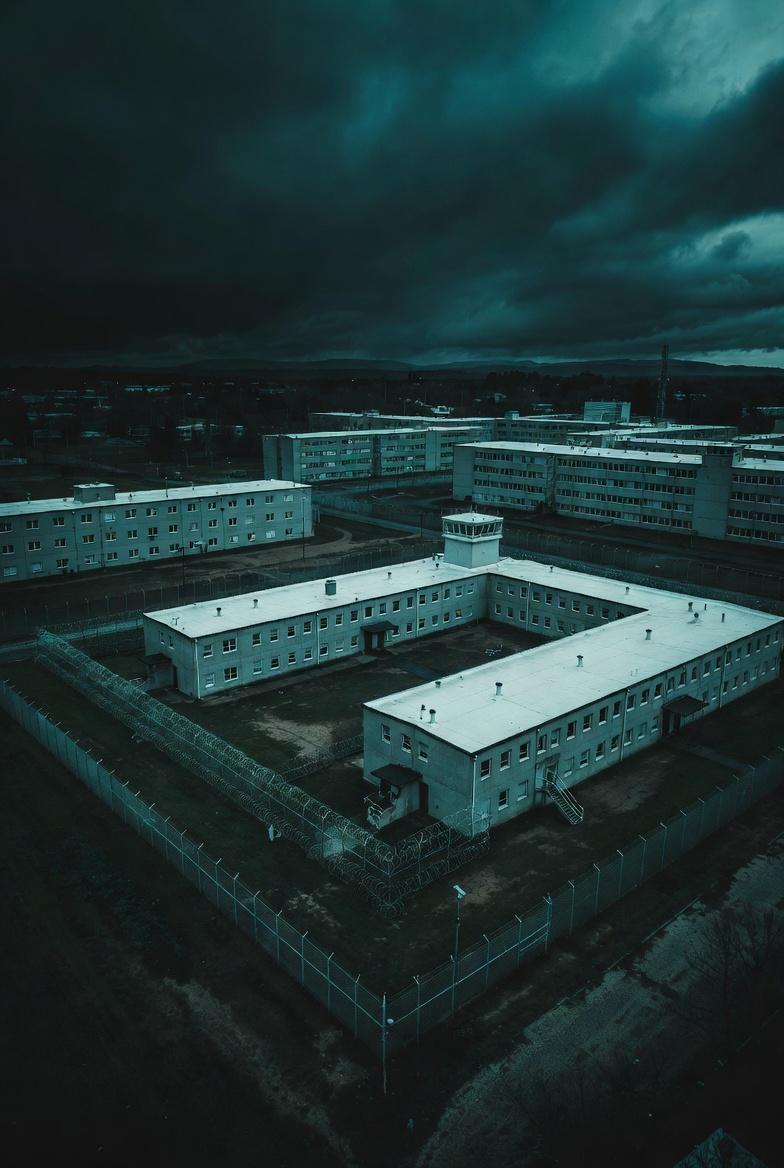
Arizona State Prison Complex - ASPC Douglas - Complex Detention
State Prison | Arizona County — Arizona
Arizona State Prison Complex - ASPC Douglas - Complex Detention is a medium-security correctional facility located at 6911 North BDI Boulevard in Douglas, Arizona, within Cochise County. The facility is part of the larger ASPC Douglas complex and operates under the Arizona Department of Corrections, housing male inmates in a controlled medium-security environment. As a detention unit within the broader complex, this facility plays a specialized role in the state's correctional system.
Families seeking information about inmates at ASPC Douglas - Complex Detention can conduct inmate searches through the Arizona Department of Corrections database. The facility provides options for sending money to inmates, scheduling visits, and accessing arrest records. Understanding the specific procedures for this detention unit helps families maintain meaningful connections with their incarcerated loved ones.
ASPC Douglas - Complex Detention serves a specialized function within the multi-unit ASPC Douglas complex as a dedicated detention facility. Unlike general population units, Complex Detention typically houses inmates requiring heightened supervision due to disciplinary issues, protective custody needs, or administrative segregation circumstances. Its location in Douglas, situated along the Arizona-Mexico border in Cochise County, places it within a geographically isolated area of southeastern Arizona. The detention unit operates with distinct protocols compared to other units within the complex, focusing on controlled movement, increased security measures, and structured daily routines tailored to the specific classification needs of its population.
ASPC Douglas - Complex Detention houses adult male inmates classified at the medium-security level, though the detention designation suggests many residents require specialized housing beyond general population settings. The population typically includes inmates serving disciplinary sanctions, those in administrative segregation pending investigation or classification review, and individuals requiring protective custody due to security concerns. Offense types vary widely, ranging from violent crimes to property offenses, with inmates transferred from other Arizona facilities based on behavioral incidents or security needs. The detention environment accommodates both sentenced prisoners serving their terms and those awaiting transfer or reclassification decisions. The transient nature of some detention populations means custody levels and lengths of stay can fluctuate significantly compared to general population housing units.
Living conditions at ASPC Douglas - Complex Detention reflect the heightened security protocols associated with detention-level housing. Inmates typically reside in single or double-occupancy cells with controlled movement throughout the facility. Daily routines are highly structured, with designated times for meals, recreation, and limited programming opportunities. Meals are provided three times daily, meeting nutritional standards established by the Arizona Department of Corrections. Recreation time may be more restricted than general population units, often occurring in smaller groups or individual yards depending on classification and security concerns.
Medical services are available through the facility's healthcare unit, with nursing staff conducting regular rounds and physicians providing scheduled care. Mental health services address the needs of inmates experiencing psychological distress, particularly important given the isolation that can accompany detention housing. Inmates have access to a formal grievance process to address concerns about conditions, staff interactions, or policy violations. The more restrictive environment means programming and movement are limited compared to general population facilities, with security considerations governing most aspects of daily life within Complex Detention.
Programming opportunities at ASPC Douglas - Complex Detention are more limited than general population units due to the facility's detention-focused mission and security protocols. Educational services may include correspondence courses or limited classroom instruction for inmates eligible to participate, with GED preparation available for those seeking high school equivalency credentials. Vocational training opportunities are restricted given the controlled movement environment, though some inmates may access skill-building materials independently.
Substance abuse programming includes educational materials and group counseling sessions when security classifications permit group participation. Religious services accommodate various faith traditions through chaplaincy visits and religious materials distribution. Re-entry planning services assist inmates preparing for release or transfer back to general population, focusing on goal-setting and institutional adjustment. The availability and extent of programming depend heavily on individual classification status, behavior history, and length of detention placement within this specialized unit.
Work assignments at ASPC Douglas - Complex Detention are significantly more limited than general population facilities due to security considerations and the detention unit's specialized function. Inmates may be assigned to facility maintenance duties such as pod cleaning, laundry distribution, or food service assistance under direct supervision. These positions are typically reserved for inmates demonstrating compliant behavior and appropriate classification levels. Outside work crews and prison industry assignments are generally unavailable to Complex Detention residents given the heightened supervision requirements. Work opportunities serve dual purposes of maintaining facility operations and providing inmates with structured activity that can positively influence behavior and future classification decisions. Eligibility for work assignments depends on individual security status and institutional conduct.
ASPC Douglas developed as part of Arizona's expansion of correctional capacity in the southeastern region of the state. The Douglas complex grew to include multiple units addressing various custody levels and specialized populations, with Complex Detention serving the need for secure housing beyond general population settings. The facility's location in Douglas reflects strategic planning to utilize available land in Cochise County while providing economic benefits to this border community.
As Arizona's incarcerated population grew and classification needs became more sophisticated, specialized detention units became necessary to manage inmates requiring heightened supervision or separation from general populations. Complex Detention evolved to fill this role within the broader ASPC Douglas operation. The facility has adapted over time to changing correctional practices, security protocols, and population management strategies. Today, ASPC Douglas - Complex Detention continues serving as a critical component of Arizona's medium-security infrastructure, addressing specialized housing needs within the state correctional system.
Visitation at ASPC Douglas - Complex Detention follows Arizona Department of Corrections policies with additional restrictions reflecting the detention unit's security level. All visitors must be pre-approved through an application process and appear on the inmate's approved visitor list before arrival. Valid government-issued photo identification is required for all adult visitors. Dress code requirements prohibit clothing resembling inmate uniforms, revealing attire, and items that could pose security concerns.
Visitation schedules and duration may be more limited than general population units due to detention housing protocols. Families should contact the facility directly before traveling to confirm current visitation days, hours, and any special procedures specific to Complex Detention. The remote location in Douglas requires significant travel planning for many families. Contact visits may be restricted based on individual inmate classification, with non-contact visits through barriers more common in detention settings.
Mail is an essential connection for inmates at ASPC Douglas - Complex Detention. Correspondence should be addressed with the inmate's full legal name, inmate number, and sent to PO Box 3867, Douglas, AZ 85608-3867. All incoming mail undergoes inspection for security purposes. Families should write the return address clearly on envelopes. Books and publications must typically come directly from approved vendors or publishers rather than individuals.
Inmates can make outgoing telephone calls using the facility's phone system, which requires families to establish prepaid accounts with the contracted telephone service provider. Rates and calling procedures follow Arizona Department of Corrections guidelines. Some facilities offer electronic messaging services, though availability at Complex Detention should be confirmed directly with the Arizona Department of Corrections given the specialized nature of detention housing.
Sponsored and Powered by our Partner TruthFinder
Quick Facts
Should I Be Concerned? — Family Guide
ASPC Douglas - Complex Detention maintains a medium-security environment with zero reported staff assaults, indicating a generally stable operational record. The facility emphasizes inmate work programs and structured activities that support safer conditions. Visitors should expect standard security procedures including ID verification, dress codes, and property restrictions; plan visits in advance and contact the facility for current visitation schedules.
Neighborhood & Getting There
Douglas, Arizona sits in Cochise County in southeastern Arizona, approximately 120 miles southeast of Phoenix and 40 miles south of the town of Willcox. The region is characterized by desert landscape and small-town amenities. Visitors typically drive from Tucson (80 miles north) via Interstate 10 and Highway 191. Douglas offers basic lodging and dining options along the US-191 corridor, with limited hotel infrastructure typical of rural Arizona border towns.