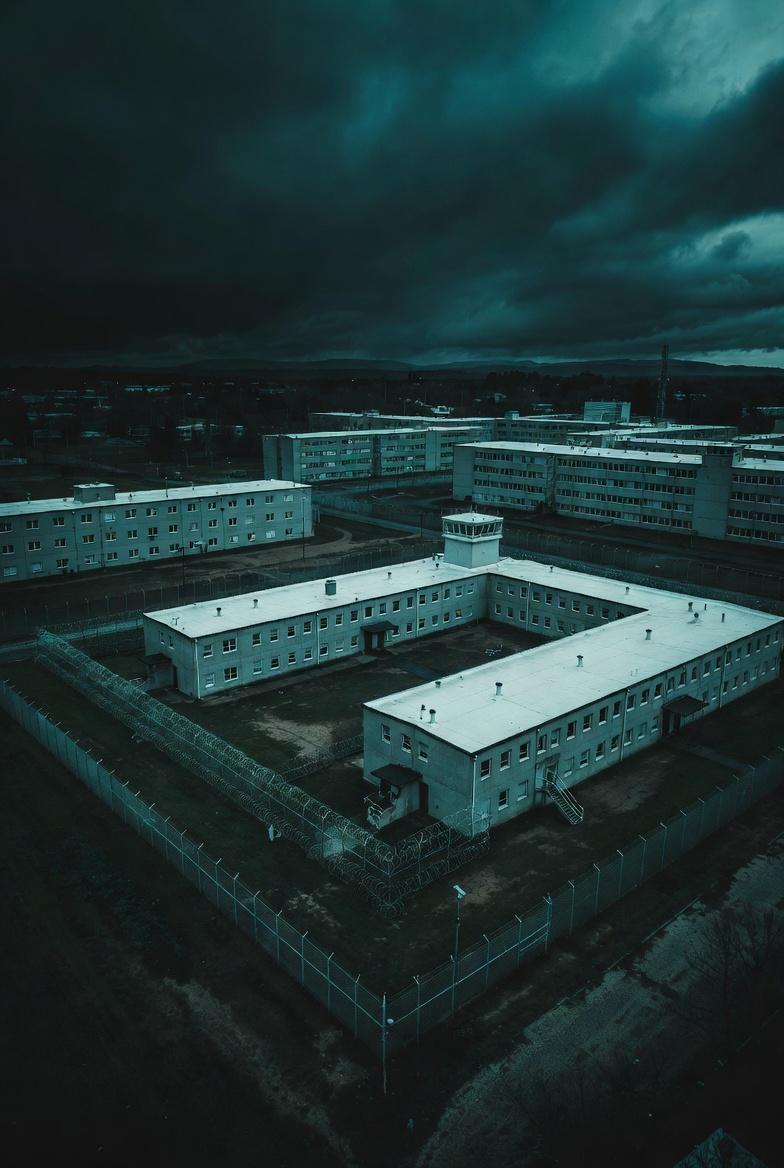
Apache County Juvenile Detention Center is a medium-security facility located at 50 West Cleveland in Saint Johns, Arizona. Operating under the Arizona Department of Corrections system, this facility serves Apache County in the northeastern region of the state. The center houses male juvenile offenders who are awaiting court proceedings or serving short-term commitments. The facility provides secure detention while focusing on rehabilitation and educational services appropriate for young offenders.
Families seeking information about juveniles detained at this facility can conduct inmate searches through Apache County's juvenile justice system. To send money, arrange visits, or obtain arrest records, family members should contact the facility directly. Due to the sensitive nature of juvenile detention, policies differ significantly from adult facilities and prioritize the privacy and welfare of minors in custody.
Apache County Juvenile Detention Center serves one of Arizona's most geographically expansive yet sparsely populated counties, covering over 11,000 square miles including portions of the Navajo Nation and Fort Apache Indian Reservation. This unique location means the facility serves a predominantly Native American youth population, requiring culturally sensitive programming and coordination with tribal authorities. The center's position in Saint Johns, the Apache County seat, makes it the primary secure detention option for juveniles across this vast rural region where distances between communities can exceed 100 miles, presenting unique challenges for family visitation and community reintegration efforts.
The facility houses male juvenile offenders ranging from pre-teens to age seventeen who have been charged with or adjudicated for offenses within Apache County's jurisdiction. The population includes both pre-adjudication detainees awaiting court hearings and post-adjudication youth serving commitments. Given the rural nature of Apache County, offenses range from property crimes and substance-related violations to more serious felony charges. The center frequently coordinates with tribal courts due to the overlapping jurisdictions within the county. Youth with special needs, including those requiring mental health services or educational accommodations, receive individualized attention. The transient nature of juvenile detention means the population fluctuates significantly, with lengths of stay varying from days to months depending on legal proceedings and case dispositions.
Apache County Juvenile Detention Center provides housing units designed specifically for juvenile offenders, with secure dormitory-style or individual rooms depending on classification and behavior. Youth receive three nutritionally balanced meals daily, prepared according to dietary guidelines for growing adolescents and accommodating religious or medical dietary restrictions. Recreation includes both indoor and outdoor activities, with structured physical education time essential for adolescent development. Educational services continue during detention to prevent academic regression, with classrooms on-site to maintain schooling requirements. Medical care addresses routine health needs, sick calls, and ongoing treatment for chronic conditions, with contracted healthcare providers serving the facility. Mental health services are particularly important in juvenile settings, offering counseling and crisis intervention as many detained youth have experienced trauma. The grievance process allows juveniles to formally address concerns about their treatment or conditions, with staff trained in adolescent-appropriate communication and de-escalation techniques to maintain a safe environment.
Education remains the cornerstone of programming at Apache County Juvenile Detention Center, with mandatory school attendance during detention mirroring the state's compulsory education laws. Academic instruction covers core subjects, and youth may work toward grade-level advancement or credit recovery. Life skills programming addresses decision-making, anger management, and conflict resolution—critical tools for preventing recidivism. Substance abuse education targets the underlying issues contributing to many juvenile offenses, providing age-appropriate prevention and intervention strategies. Religious services and spiritual counseling are available for youth seeking faith-based support during their detention. Re-entry planning begins upon admission, with case managers coordinating with families, schools, probation officers, and community resources to prepare for successful return to the community. Cultural programming acknowledging the heritage of the predominantly Native American population helps maintain connections to identity and tradition during confinement.
Juvenile detention facilities operate differently from adult correctional institutions regarding work assignments. At Apache County Juvenile Detention Center, youth participate in structured responsibilities rather than traditional work programs. These assignments include maintaining cleanliness in living areas, assisting with meal service preparation and cleanup, and performing light janitorial duties under supervision. Such responsibilities teach accountability and daily living skills while maintaining facility operations. Unlike adult prisons, juveniles do not participate in outside work crews or prison industries. The focus remains on education, rehabilitation, and skill-building appropriate for adolescent development rather than labor production, aligning with juvenile justice philosophies prioritizing youth welfare over institutional economics.
Apache County Juvenile Detention Center has served the northeastern Arizona region's need for secure juvenile detention, though specific founding dates for the current facility are not publicly documented in detail. The center developed as part of Arizona's county-level juvenile justice infrastructure, responding to the requirement that counties provide appropriate detention separate from adult offenders. Apache County, established in 1879 and one of Arizona's original counties, has long faced challenges in delivering services across its vast, rural expanse. The facility in Saint Johns, the county seat since 1880, provides centralized access to juvenile justice services. Over the decades, juvenile justice philosophy has shifted from purely punitive approaches toward rehabilitation and treatment models, and the center has adapted its operations accordingly. Today, the facility continues serving as Apache County's primary secure detention option for youth offenders, balancing public safety with developmentally appropriate interventions for juveniles involved in the justice system.
Visitation at Apache County Juvenile Detention Center operates under policies designed to maintain security while supporting family connections crucial for juvenile rehabilitation. Visitors must provide valid government-issued photo identification and typically undergo an approval process before the first visit. Dress codes prohibit revealing clothing, gang-related attire, and items that could pose security concerns. Due to the sensitive nature of juvenile detention, visitor lists may be restricted to immediate family members and approved adults, with limitations varying based on individual case circumstances. Visitation scheduling typically requires advance coordination rather than walk-in visits. Families should expect security screening procedures including metal detectors. Given the complexity of juvenile visitation policies and potential variations based on legal status or behavior, families are strongly encouraged to call the facility ahead of time to confirm current visitation hours, specific requirements, and any restrictions that may apply to their situation.
Mail sent to juveniles at Apache County Juvenile Detention Center should be addressed with the youth's full legal name and any assigned identification number, followed by the facility address at 50 West Cleveland, PO Box 100, St. Johns, AZ 85936. All incoming mail undergoes inspection for contraband and prohibited items. Correspondence policies for juveniles are often more restrictive than adult facilities, with limitations on content and sender eligibility. Books or educational materials typically must come directly from approved vendors or publishers rather than individuals. Phone contact may be available through prepaid telephone accounts, though call privileges are subject to facility rules and individual case restrictions. Email or electronic messaging systems depend on county policies and available technology. Families should contact the facility directly to understand current communication options, as juvenile facilities frequently have more stringent oversight of all contacts to protect minors in custody.
Sponsored and Powered by our Partner TruthFinder
Quick Facts
Should I Be Concerned? — Family Guide
Apache County Juvenile Detention Center maintains a medium-security environment with zero reported staff assaults, indicating a relatively safe operational status. As a juvenile facility, the focus is on rehabilitation rather than long-term incarceration. When visiting, expect standard security procedures including ID verification, bag checks, and dress code compliance to ensure safety for all visitors and detainees.
Neighborhood & Getting There
Saint Johns is a small rural community in Apache County in northeastern Arizona, approximately 180 miles from Phoenix and 30 miles south of Holbrook. The area is characterized by high desert landscape with limited urban amenities. Visitors typically drive from Show Low or Holbrook, where basic hotel and dining options are available. The facility's remote location requires planning ahead for accommodations and travel time.