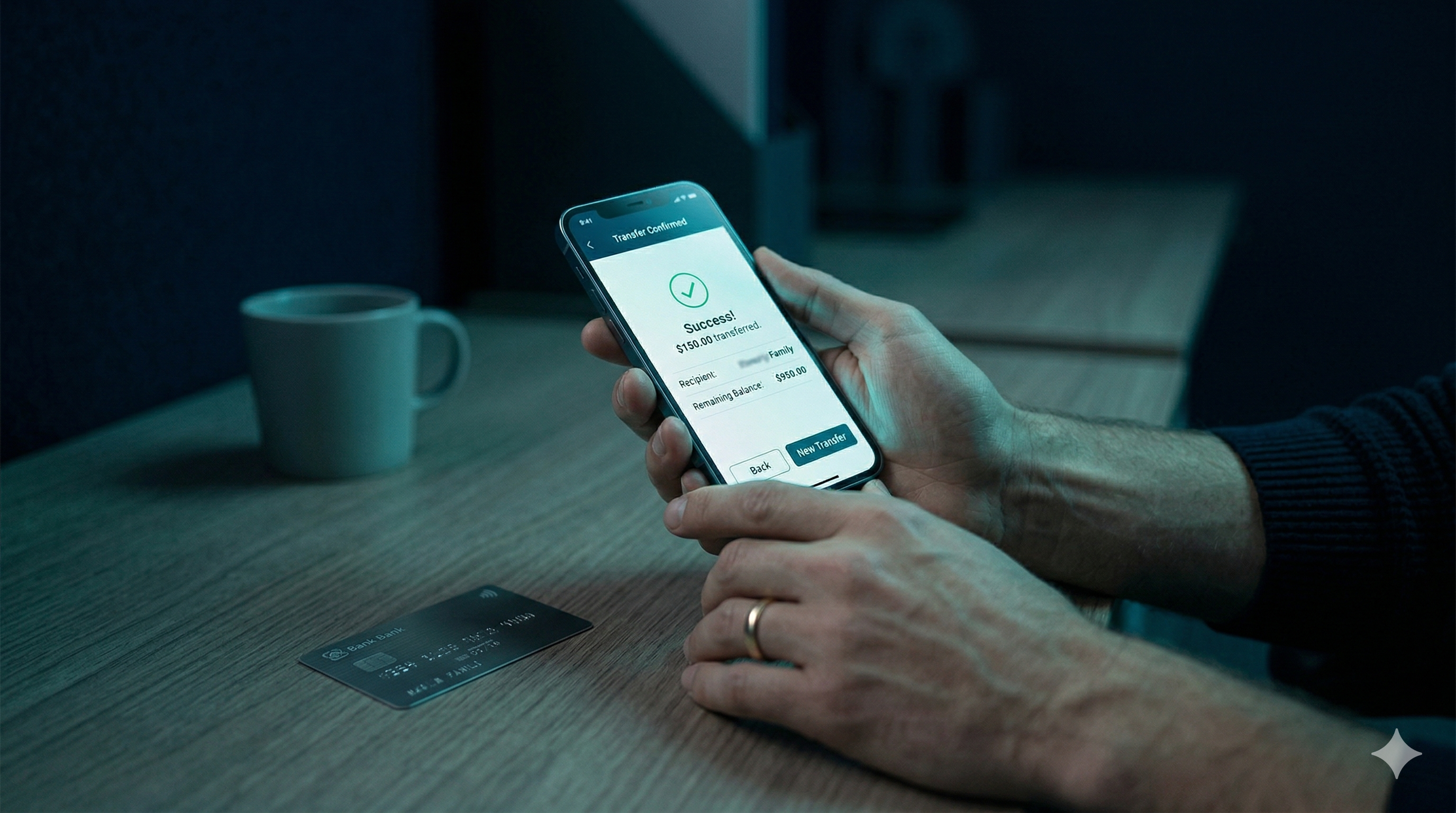
Why Sending Money Matters
Commissary funds give inmates access to toiletries, food items, phone credits, postage, and other necessities not provided by the facility. For many incarcerated individuals, commissary funds are the primary way to maintain quality of life and stay connected with family through phone calls.
The process for sending money varies by facility — each prison contracts with a specific approved money transfer service. You cannot just wire money or send cash through the mail. You must use the facility's approved service.
How to Send Money — Step by Step
Find the Approved Money Transfer Service
Look up the facility on JailData or call them directly to confirm which service they use. The most common are JPay, Access Corrections, GTL/ConnectNetwork, and Western Union. Some facilities use their own internal deposit systems.
Find Your Facility on JailData →Create an Account on the Service
Go to the service's website or download their app. You'll need to provide your name, email address, and a payment method (credit card, debit card, or bank account). Most services are free to sign up.
Find the Inmate in the System
Search by the inmate's full legal name and facility, or enter their inmate ID number directly. Using the ID number is faster and avoids confusion with common names.
Send the Money
Select the amount, confirm the transaction fee, and pay. You'll receive a confirmation number — save it in case of any issues. Funds typically arrive within 1-3 business days.
Major Money Transfer Services
These are the most widely used inmate money transfer services in the US:
JPay
The most widely used service in the US, covering 35+ states. Available online at jpay.com and via the JPay mobile app. Accepts credit cards, debit cards, and bank accounts.
Access Corrections (formerly Access Securepak)
Major provider serving state and federal facilities. Available online and via the Access Corrections app. Also offers package programs and money orders.
GTL / ConnectNetwork
GTL (Global Tel Link) is primarily a phone service provider that also handles commissary deposits. Their ConnectNetwork platform manages money transfers at facilities using GTL phones.
Western Union / MoneyGram
Some facilities accept transfers through Western Union or MoneyGram. These can be sent online, via app, or in person at retail locations. Typically higher fees than dedicated inmate services.
Lobby Kiosks
Many facilities have kiosks in the lobby or visitation area where you can deposit cash directly to an inmate's account. No account required — bring cash and the inmate's ID number.
Money Orders by Mail
Some facilities still accept money orders sent by mail. The money order must be made out to the facility (not the inmate), with the inmate's name and ID number written in the memo line. Check with the facility before sending.
Transfer Fees Comparison
Every service charges a transaction fee — here's what to expect:
| Service | Fee Range | Speed | Best For |
|---|---|---|---|
| JPay | $0.95 – $4.95 | 1–3 days | Most state prisons |
| Access Corrections | $1.95 – $5.95 | 1–2 days | Federal + select states |
| GTL ConnectNetwork | $2.95 – $6.95 | Same day – 2 days | County jails |
| Western Union | $5 – $15+ | 1–3 days | When others unavailable |
| Lobby Kiosk (cash) | $0 – $3 | Same day | In-person visits |
| Money Order (mail) | $1 – $2 (MO fee) | 1–2 weeks | Facilities without kiosks |
Tips for Sending Money Successfully
- Always use the inmate's legal name — not a nickname. Mismatched names can delay or reject transfers.
- Have the inmate ID number — this is the most reliable identifier and avoids name confusion.
- Save your confirmation number — you'll need it to track transfers or dispute issues.
- Check account balance limits — most facilities cap the amount an inmate can hold. Verify before sending.
- Use the official facility address — some services verify the facility ID. Use the exact name as listed by the facility.
- Set up recurring deposits — most services allow you to schedule regular transfers so you don't forget.
- Keep receipts — tax-deductible in some cases if you're supporting a minor child's parent.
What Can Inmates Spend Money On?
Commissary funds can be used for:
- Food items (snacks, ramen, coffee, protein bars)
- Personal hygiene (soap, shampoo, toothpaste, deodorant)
- Phone call credits
- Postage stamps and envelopes
- Writing materials (paper, pens)
- Over-the-counter medications (approved items)
- Clothing items (in some facilities)
- Books and magazines (from approved vendors)
Frequently Asked Questions
Find out which money transfer service the facility uses (check the facility's page on JailData or call the facility), create an account, find the inmate in the system, and send funds via credit card, debit card, or bank transfer. Lobby kiosks at the facility accept cash on-site.
Transaction fees vary by service and amount. JPay fees typically range from $0.95 to $4.95 per transaction. Access Corrections charges $1.95 to $5.95. Western Union tends to be higher at $5 to $15+. Lobby kiosk cash deposits often have the lowest fees.
Electronic transfers via JPay or Access Corrections typically arrive within 1-3 business days. Some facilities process same-day. Lobby kiosk deposits are usually immediate. Mailed money orders take 1-2 weeks, plus processing time at the facility.
JPay is the most widely used inmate money service in the US, serving 35+ states. You create a free account at jpay.com or via the JPay app, search for the inmate by name and facility or ID number, select an amount, and pay by credit card, debit card, or bank account. Funds arrive within 1-3 business days.
Most facilities do not accept cash sent by mail — it will typically be returned or confiscated. Approved methods are electronic transfers via the facility's approved service, lobby kiosk cash deposits, or in some cases money orders. Always verify the facility's accepted methods before sending anything.
Yes — most facilities cap inmate trust accounts at $150 to $500 depending on security level and facility policy. Some facilities have weekly or monthly limits on incoming transfers. Check with the facility or the transfer service for current limits.