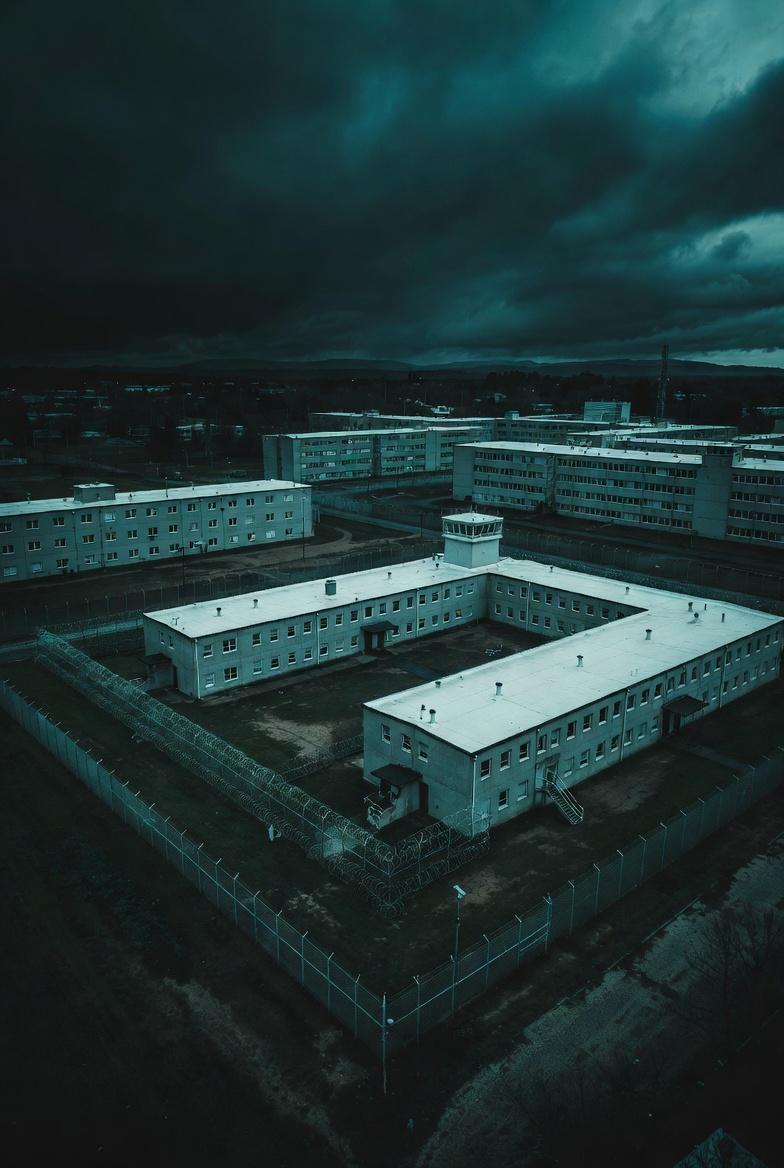
Itasca County Jail is a medium security detention facility located in Grand Rapids, Itasca County County, Minnesota. Operating under the Minnesota Department of Corrections system, this jail houses male inmates awaiting trial, sentencing, or serving shorter-term sentences. The facility at 440 1st Avenue Northeast serves the residents of Itasca County and surrounding jurisdictions in northern Minnesota's lake region. While specific capacity and current population numbers are not publicly disclosed, the jail maintains operational standards consistent with Minnesota correctional protocols.
Families seeking information about loved ones at this Grand Rapids facility can perform an Itasca County Jail inmate search through county resources, schedule visits during designated times, and send money to inmate commissary accounts for personal necessities. Those traveling to Grand Rapids for visitation will find the jail centrally located in the downtown area, accessible from Highway 169 and other major routes serving the Itasca County region. Families can also search criminal records to verify incarceration status and obtain Itasca County Jail arrest records for case information.
Itasca County Jail serves a unique geographic area in north-central Minnesota, positioned in Grand Rapids, the county seat and economic hub of the expansive Itasca County region. As a medium security facility, it handles a diverse population ranging from pre-trial detainees to sentenced offenders serving county-level sentences. The jail's location in Grand Rapids places it at the center of Minnesota's forestland and lake country, serving both year-round residents and addressing seasonal population fluctuations from tourism and recreation industries. The facility functions as the primary detention center for one of Minnesota's largest counties by land area, coordinating with local law enforcement agencies across multiple municipalities and unincorporated areas. This geographic responsibility requires the jail to maintain close communication with courts, public defenders, and family members who may be traveling considerable distances from remote communities within Itasca County for visitation and court proceedings.
Itasca County Jail Data & Statistics:
| Year Last Renovated | 1998 |
| Avg. Daily Population | 96 |
| Maximum Capacity | 107 |
| Total Confined | 85 |
| Confined Males (18+) | 73 |
| Confined Females (18+) | 12 |
| Full-Time Employees | 23 |
| Total Employee Salaries | $1,925,569 |
| On Work Assignment | 10 |
| In Education Programs | 3 |
*Statistical data from census.gov
The inmate population at Itasca County Jail consists primarily of adult males facing charges or serving sentences at the county level in the Minnesota judicial system. As a county detention facility, the jail houses a mix of pre-trial detainees awaiting court proceedings and sentenced individuals serving terms typically under one year. Offenses range from misdemeanors and non-violent crimes to more serious felonies including drug-related charges, property crimes, DWI offenses, and domestic incidents common to rural northern Minnesota communities. The facility may also hold individuals awaiting transfer to state prisons following sentencing. Given Itasca County's demographics and geography, the inmate population reflects both the permanent residential community and transient populations associated with seasonal employment and tourism. Special population considerations may include inmates requiring medical attention, mental health services, or protective custody arrangements based on charge type or personal safety concerns within the general population.
Living conditions at Itasca County Jail reflect its medium security classification and county-level operational standards. Inmates are typically housed in cell blocks or pods with a combination of individual cells and shared living spaces depending on classification level, behavior, and available capacity. Daily routines include scheduled meal times with food service meeting Minnesota Department of Corrections nutritional standards, though menu variety is limited compared to larger state facilities. Recreation opportunities may include access to a dayroom or limited outdoor recreation yard time, with frequency dependent on security protocols and facility staffing levels. Medical care is provided through contracted healthcare services, with nursing staff conducting sick call and coordinating off-site treatment for serious conditions at Grand Rapids area medical facilities. Mental health services address acute psychiatric needs and medication management for inmates with diagnosed conditions. Inmates can submit grievances through formal procedures to address concerns about living conditions, staff interactions, or medical care. Personal hygiene items, additional commissary purchases, and communication privileges are available to those with funds in their accounts. The jail maintains climate-controlled housing units appropriate for Minnesota's harsh winter climate, ensuring basic health and safety standards are met throughout incarceration.
Itasca County Jail offers programming designed to address educational deficits, substance abuse issues, and pre-release preparation for inmates serving longer sentences at the county level. Educational opportunities may include GED preparation classes for those without high school diplomas, facilitated through local adult education partnerships in the Grand Rapids area. Substance abuse treatment programs address chemical dependency issues prevalent among the inmate population, recognizing that addiction often underlies criminal behavior in northern Minnesota communities. Faith-based programming provides spiritual guidance and support through volunteer chaplains and religious organizations serving Itasca County. Cognitive behavioral interventions help inmates develop decision-making skills and address thinking patterns that contribute to criminal conduct. Re-entry planning services connect soon-to-be-released inmates with community resources including housing assistance, employment services, and continuing treatment programs available in Grand Rapids and throughout Itasca County. Program availability may fluctuate based on funding, volunteer participation, and facility population levels, with priority given to sentenced inmates serving longer terms who can complete full program curricula before release.
Work assignments at Itasca County Jail provide inmates with structured activity while supporting facility operations. Eligible inmates may be assigned to kitchen duties assisting with meal preparation and food service, laundry operations maintaining bedding and facility linens, or general maintenance tasks keeping housing units and common areas clean and functional. These work assignments offer inmates opportunity to develop basic employment skills, maintain daily routines, and demonstrate positive behavior that may be considered during classification reviews or sentencing recommendations. In a medium security environment, work assignments are supervised by correctional staff and participation is typically voluntary, though inmates who work may receive modest compensation credits or commissary privileges depending on county policies. The work program scale at Itasca County Jail is limited compared to larger state correctional facilities, reflecting the jail's county-level mission and shorter average length of stay for most inmates housed at the Grand Rapids facility.
Itasca County Jail has served as the primary detention facility for Grand Rapids and Itasca County for decades, evolving alongside the community's growth and changing correctional standards. While the exact founding date of the current facility is not documented in available public records, county jails have operated in Grand Rapids since the community's establishment as the Itasca County seat in the late 19th century. The current facility at 440 1st Avenue Northeast represents modern correctional architecture and operational practices aligned with Minnesota Department of Corrections oversight. Over the years, the jail has adapted to changing inmate populations, updated security technologies, and evolving standards for inmate healthcare and programming. As Grand Rapids developed into a regional center for northern Minnesota, the jail's role expanded to serve not just the immediate city but the sprawling geographic area of Itasca County. The facility continues to balance traditional detention functions with contemporary expectations for rehabilitation services, preparing inmates for successful community reintegration while maintaining public safety throughout the region.
Families planning to visit inmates at Itasca County Jail should contact the facility directly to confirm current Itasca County Jail visiting hours, as schedules may vary by housing unit and security classification. Visitors must present valid government-issued photo identification such as a driver's license or state ID card for entry. The visitor registration process typically requires completing paperwork and approval from jail administration, with background checks conducted on all visitors to ensure facility security. Dress code restrictions prohibit revealing clothing, items resembling inmate uniforms, and certain colors or styles that could compromise security. Families should search public records to confirm current housing status before traveling to Grand Rapids. Entry screening includes metal detectors and searches of personal belongings, with prohibited items stored in lockers or required to remain in vehicles. Visitation may occur through glass partitions with phone communication or in designated contact visit areas depending on inmate classification and behavior.
To contact an inmate at Itasca County Jail, correspondence must be sent to the correct Itasca County Jail mailing address using proper formatting. Mail should be addressed to the inmate's full name and booking number, followed by Itasca County Jail, 440 1st Avenue Northeast Grand Rapids, MN 55744. All incoming mail is subject to inspection by facility staff, and correspondence containing contraband, inappropriate content, or items not meeting facility guidelines will be rejected. Books and magazines must typically be shipped directly from approved vendors or publishers rather than sent by individuals. Families can also look up arrest records to find booking information and inmate identification numbers needed for correspondence. Phone communication requires setting up a prepaid account with the jail's telephone service provider, allowing inmates to make collect or debit calls to approved numbers. Some Minnesota county jails offer email or video visitation services, though availability at this specific facility should be confirmed with jail administration.
Sponsored and Powered by our Partner TruthFinder
Quick Facts
Should I Be Concerned? — Family Guide
Itasca County Jail operates at Medium security level with zero reported staff assaults, indicating a generally stable and safe facility environment. The secure perimeter and professional staff create controlled conditions for visits and operations. When visiting, families should plan ahead by confirming hours, bringing valid identification, and adhering to dress codes—all standard precautions that help ensure safe and orderly visits for everyone.
Neighborhood & Getting There
Itasca County Jail is located in Grand Rapids, Minnesota, the county seat of Itasca County in north-central Minnesota. The facility sits near downtown Grand Rapids, approximately 290 miles north of Minneapolis-St. Paul metro area, roughly 5-6 hours driving time. The area offers basic hotel accommodations and highway access via US-2. Grand Rapids is a small regional hub with modest commercial services, local restaurants, and necessary amenities for visitors traveling from surrounding communities.