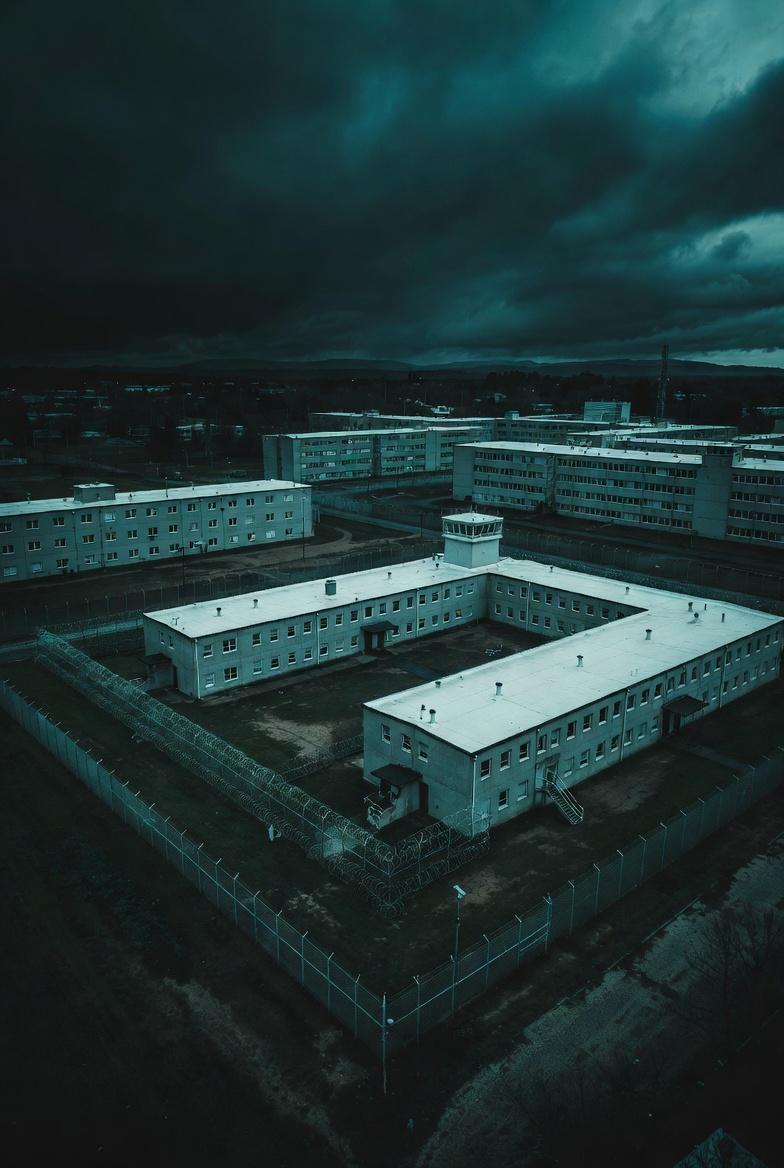
Blountstown Jail is a medium-security correctional facility located at 16908 Northeast Pear Street in Blountstown, Florida. Operated by the Florida Department of Corrections, this facility houses male inmates serving various sentences in Calhoun County. The jail serves the rural community of Blountstown and surrounding areas in the Florida Panhandle. As part of the state correctional system, Blountstown Jail maintains security protocols appropriate for its medium-security classification while providing necessary services to its inmate population.
Families seeking information about incarcerated loved ones can use inmate search tools to locate individuals and access arrest records. The facility provides channels for families to send money, schedule visits, and maintain contact with inmates. Understanding facility procedures helps families navigate the visitation process and stay connected during incarceration.
Blountstown Jail serves the sparsely populated Florida Panhandle region, specifically Calhoun County, one of Florida's smallest counties by population. This rural location distinguishes the facility from larger urban correctional centers in the state system. The jail serves a community-oriented role in a region characterized by small-town values and close-knit communities. Its position in the Panhandle means it serves inmates from an area with unique demographic and economic characteristics compared to coastal or metropolitan Florida facilities. This rural setting influences operations, staffing, and the facility's connection to the local community.
Blountstown Jail houses medium-security male offenders serving sentences in the Florida correctional system. The inmate population typically includes individuals convicted of various felony offenses ranging from property crimes to drug-related violations and other non-violent to moderately serious offenses appropriate for medium-security classification. The facility likely holds both sentenced inmates completing their terms and some pre-trial detainees awaiting court proceedings in Calhoun County. Given the rural nature of the surrounding area, the population may reflect crime patterns typical of smaller communities, including drug offenses, theft, and burglary. Classification procedures ensure inmates are housed according to their security needs, criminal history, and behavior.
Inmates at Blountstown Jail are housed in secure units designed for medium-security custody. Housing arrangements typically include dormitory-style or cell-based configurations with assigned bunks and limited personal storage space. Inmates receive three meals daily prepared according to Florida Department of Corrections nutritional standards. Recreational opportunities include outdoor yard time and indoor activities when available, providing physical exercise and breaks from housing units. Medical services address basic healthcare needs, with sick call procedures for routine complaints and emergency protocols for urgent situations. Mental health services provide assessment and treatment for inmates experiencing psychological issues. The facility maintains a grievance process allowing inmates to formally address concerns about conditions, staff interactions, or policy violations. Daily routines include scheduled counts, meal times, and program activities, maintaining order and security throughout the facility.
Blountstown Jail offers programming designed to prepare inmates for successful reintegration into society. Educational services may include literacy instruction and GED preparation for inmates without high school diplomas, improving their employment prospects upon release. Vocational training opportunities teach practical skills applicable to post-release employment. Substance abuse programs address addiction issues through counseling and education, recognizing that many inmates struggle with drug or alcohol dependency. Religious services provide spiritual support through regular worship opportunities and pastoral counseling. Re-entry programming helps inmates prepare for release by addressing housing needs, employment planning, and community resource connections. Program availability may vary based on facility resources, inmate eligibility, and security considerations specific to medium-security operations.
Inmates at Blountstown Jail participate in work assignments that maintain facility operations and provide skill development. Inside jobs include kitchen duties such as meal preparation and cleanup, laundry operations, janitorial work maintaining housing units and common areas, and groundskeeping. These assignments keep the facility functioning while teaching work habits and responsibility. Some inmates may qualify for outside work assignments or community service projects depending on security classification and behavior records. Work assignments provide structure to daily routines and may offer modest compensation or sentence reduction incentives according to Florida Department of Corrections policies.
While the exact founding date of Blountstown Jail remains undocumented in available records, the facility has served Calhoun County's correctional needs as part of Florida's expanding prison system. Blountstown, the county seat of Calhoun County, has maintained detention facilities to serve local law enforcement and judicial functions. The current facility at 16908 Northeast Pear Street represents the jurisdiction's commitment to housing inmates within the county boundaries. As Florida's inmate population grew over recent decades, facilities like Blountstown Jail became integral components of the state's distributed correctional network. The jail continues serving its role as a medium-security facility for male offenders, adapting to evolving correctional standards while serving the rural Panhandle community. Its ongoing operations reflect both local and statewide correctional priorities.
Visitation at Blountstown Jail allows families to maintain connections with incarcerated loved ones. Visitors must present valid government-issued photo identification such as a driver's license or state ID. Dress code requirements prohibit revealing clothing, items resembling inmate uniforms, and inappropriate attire. Potential visitors typically undergo an approval process before their first visit. Scheduling procedures vary, and families should contact the facility directly to confirm current visitation days, hours, and reservation requirements. Visitors should expect security screening including metal detectors and possible searches. Rules prohibit bringing unauthorized items into the facility. Families should call ahead to verify current visitation policies, as procedures may change based on facility needs or security concerns.
Families can contact inmates at Blountstown Jail through approved communication channels. Mail should be addressed with the inmate's full legal name, identification number, and the facility address at 16908 Northeast Pear Street, Blountstown, FL 32424. All incoming mail undergoes inspection for security purposes. Books and publications must typically come directly from approved vendors rather than personal sources. Inmates may have access to telephone accounts allowing collect calls or prepaid calling services that families can fund. Some Florida facilities offer email or electronic messaging services, though availability varies. Families should verify current communication options and restrictions directly with the facility before sending correspondence or funding accounts.
Sponsored and Powered by our Partner TruthFinder
Quick Facts
Should I Be Concerned? — Family Guide
Blountstown Jail operates as a medium-security facility with a commendable zero staff assault record, suggesting a relatively safe environment for visitors. While current inmate population data is unavailable, the medium security classification indicates standard safety protocols are in place. Families should expect standard visitation procedures and security screening. Contact the facility in advance to confirm visiting hours and any specific requirements for your visit.
Neighborhood & Getting There
Blountstown is located in rural Calhoun County in the Florida Panhandle, approximately 90 minutes north of Tallahassee and 2.5 hours west of Jacksonville. The facility sits in a small, quiet community with limited urban amenities. Visitors should plan accordingly, as nearby hotels are scarce. The closest significant services are in Tallahassee. US Highway 231 provides primary access to the facility. Visitors are advised to fill gas tanks and gather supplies before arriving in this remote area.