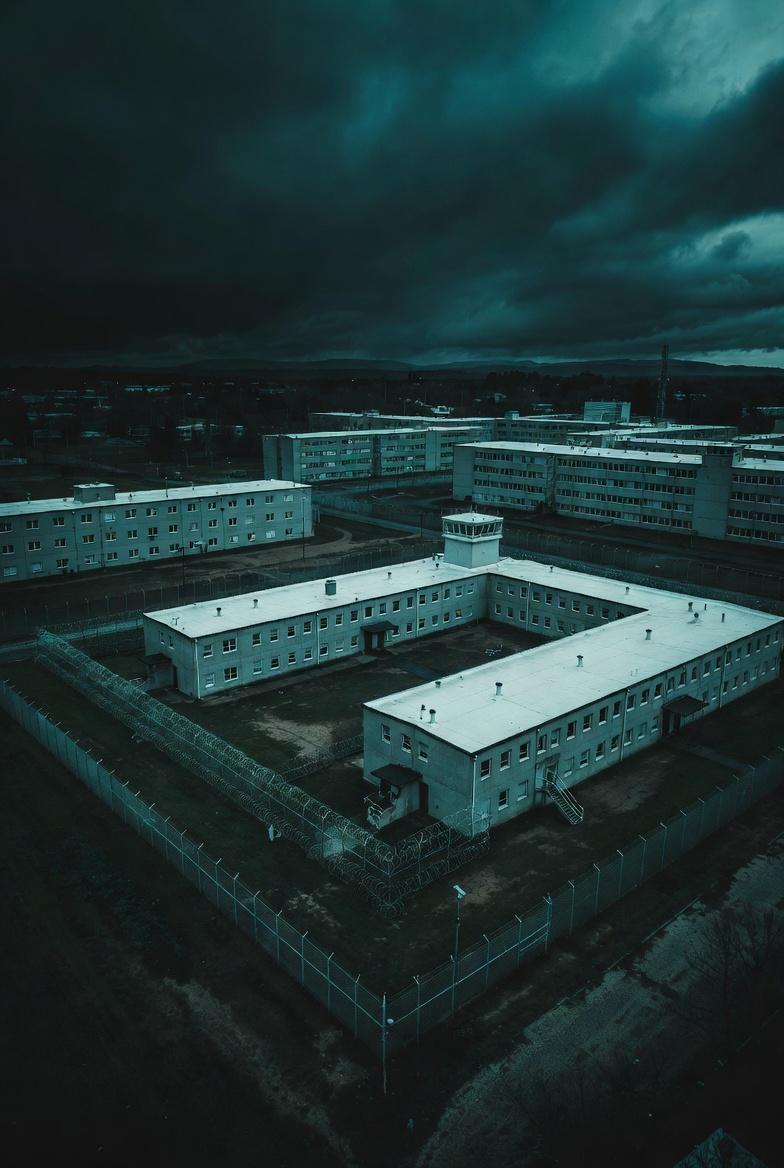
Adolescent Residential Campus is a medium-security correctional facility located at 5970 South Orange Blossom Trail in Intercession City, under the Davenport jurisdiction in Osceola County, Florida. Operated by the Florida Department of Corrections, this facility exclusively houses male offenders. As a specialized campus within the state correctional system, it focuses on younger offenders requiring structured supervision and programming in a controlled environment.
Families seeking information about inmates at Adolescent Residential Campus can use inmate search tools to locate their loved ones, learn about visitation procedures, send money for commissary accounts, and access arrest records. Understanding the facility's specific policies helps families maintain crucial connections during incarceration.
Adolescent Residential Campus distinguishes itself within the Florida Department of Corrections as a facility specifically designed for younger male offenders requiring a campus-style correctional environment. Unlike traditional adult prisons, this campus model emphasizes age-appropriate programming and supervision tailored to adolescent and young adult populations. The facility's location in Intercession City, while under Davenport's jurisdiction in Osceola County, provides a setting focused on rehabilitation and behavioral development. This specialized approach recognizes that younger offenders have different developmental needs and responds with targeted interventions aimed at reducing recidivism and preparing residents for successful community reintegration.
Adolescent Residential Campus houses a specific classification of male offenders within the Florida correctional system, primarily focusing on younger individuals who require medium-security supervision. The population typically includes youthful offenders serving sentences for various criminal offenses, ranging from property crimes to more serious felonies. Classification decisions consider factors including age, criminal history, institutional behavior, and security risk level. The campus model serves offenders who have progressed beyond maximum security needs but still require structured supervision. This specialized population benefits from age-appropriate programming distinct from general adult prison populations, with emphasis on education, life skills development, and behavioral modification designed to address the unique challenges facing younger offenders in the correctional system.
Residents at Adolescent Residential Campus are housed in dormitory-style or cell-based housing units appropriate for medium-security classification. The campus layout facilitates structured daily routines including scheduled meal times in dining facilities, with menus meeting nutritional standards established by the Florida Department of Corrections. Recreation opportunities include outdoor exercise areas and indoor facilities for physical activity, which are essential components of the daily schedule for younger populations. Medical services are provided on-site or through coordinated healthcare providers, addressing routine medical needs, dental care, and emergency situations. Mental health services are particularly important for this population, with counseling and psychological support available to address behavioral and emotional challenges. The facility maintains a formal grievance process allowing residents to report concerns or file complaints regarding conditions, treatment, or policy violations, ensuring accountability and proper channels for addressing issues that arise during incarceration.
Adolescent Residential Campus emphasizes educational programming as a core component of its mission, with academic classes available for residents pursuing high school equivalency diplomas or GED certification. Educational opportunities are particularly critical for younger offenders who may not have completed their schooling prior to incarceration. Vocational training programs provide practical skills development in various trades, preparing residents for employment opportunities upon release. Substance abuse treatment programs address addiction issues that often contribute to criminal behavior, offering counseling and education about recovery. Religious services and faith-based programming are available for residents seeking spiritual guidance during incarceration. Re-entry preparation programs focus on life skills, employment readiness, and community transition planning, recognizing that successful reintegration requires comprehensive planning and support as release dates approach.
Work assignments at Adolescent Residential Campus provide residents with structured activities, work experience, and opportunities to develop responsibility. Inside job assignments include facility maintenance, kitchen duty, janitorial services, laundry operations, and grounds keeping. These positions keep the campus operational while teaching work habits and vocational skills. Some residents may qualify for outside work assignments depending on their security classification, custody level, and institutional behavior. Work programs serve multiple purposes: maintaining facility operations, reducing idleness, teaching employability skills, and potentially earning modest compensation that can be applied to restitution, savings, or commissary purchases. Participation in work assignments is often linked to good behavior and can positively impact institutional adjustment.
The establishment history and specific founding date of Adolescent Residential Campus are not extensively documented in publicly available records, but the facility emerged as part of Florida's evolving approach to housing younger offenders within the Department of Corrections system. The campus model represents a philosophical shift from traditional adult prison designs, recognizing that adolescent and young adult populations require specialized environments and programming. The facility's location in Intercession City, under Davenport's jurisdiction in Osceola County, positioned it in Central Florida near major transportation corridors while maintaining distance from urban centers. Over time, the campus has adapted to changing correctional practices, juvenile justice reforms, and evidence-based approaches to reducing recidivism among younger offenders. Today, Adolescent Residential Campus continues serving its specialized role within Florida's correctional infrastructure, focusing on rehabilitation and successful community reintegration for male youthful offenders.
Visitation at Adolescent Residential Campus provides crucial family connections for residents during incarceration. Visitors must complete an approval process before their first visit, which includes background checks and compliance with Florida Department of Corrections regulations. All visitors must present valid government-issued photo identification upon arrival. The facility enforces strict dress code requirements prohibiting revealing clothing, certain colors, and items that could pose security concerns. Visitors should review specific dress code guidelines before traveling to avoid being denied entry. Visitation scheduling procedures and hours vary, so families should contact the facility directly well in advance to confirm current policies, visiting days, and time slots. Understanding and following all visitation rules ensures a smooth visit and maintains this important connection between residents and their loved ones.
Families can contact residents at Adolescent Residential Campus through approved mail correspondence. All incoming mail must include the inmate's full legal name, Department of Corrections identification number, and the complete facility address: 5970 South Orange Blossom Trail Intercession City, FL 33848. Mail is subject to inspection for security purposes. Families wishing to send books, magazines, or educational materials must typically use approved vendors that ship directly to the facility, as most correctional facilities prohibit packages from individuals. Phone communication is available through prepaid telephone accounts that families can fund, allowing residents to make outgoing calls during designated times. Some Florida facilities may offer electronic messaging systems, though availability varies by institution and requires families to establish approved accounts.
Sponsored and Powered by our Partner TruthFinder
Quick Facts
Should I Be Concerned? — Family Guide
Adolescent Residential Campus maintains a medium-security environment with zero reported staff assaults, indicating a generally stable facility. The youth-focused mission emphasizes rehabilitation over punishment. When visiting, plan ahead by confirming current visitation policies, bring valid identification, and allow extra time for the Intercession City location, which requires travel away from major urban centers.
Neighborhood & Getting There
Adolescent Residential Campus is located in Intercession City, a rural area of Osceola County approximately 30 miles south of Orlando. The facility sits in central Florida's agricultural region near US Highway 17/92. Visitors should expect a 45-60 minute drive from downtown Orlando or the airport. Limited lodging exists immediately nearby; most hotels and services are located in Kissimmee, 20-25 minutes north via US-17.