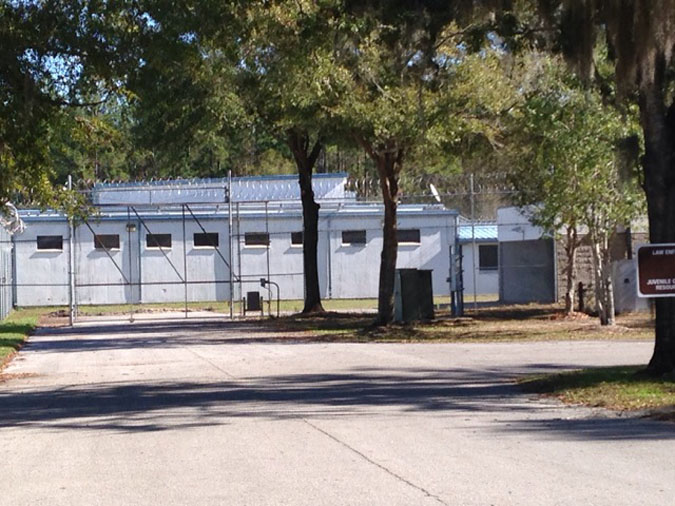
Alachua Regional Juvenile Detention Center
State Prison | Alachua County — Florida | ARJDC | Florida Department of Juvenile Justice
Alachua Regional Juvenile Detention Center is located at 3440 NE 39th Avenue in Gainesville, Alachua County, Florida. Operating under the Florida Department of Corrections as a medium security facility, this detention center exclusively houses male juveniles with a capacity of 48 beds. Superintendent Forrest Hallam oversees operations at this regional juvenile justice facility that serves the detention needs of young offenders in the surrounding area.
Families seeking information about detained juveniles can conduct inmate searches through the Florida Department of Juvenile Justice system. Relatives can arrange visits, deposit funds into juvenile accounts for commissary purchases, and access intake and arrest information. Understanding facility procedures helps families maintain critical connections with detained youth during their time at this Gainesville location.
Alachua Regional Juvenile Detention Center serves as a critical regional hub for juvenile detention in North Central Florida, strategically positioned in Gainesville to serve multiple surrounding counties. Unlike adult facilities, this center focuses exclusively on detaining male youth, providing age-appropriate security measures and developmental programming specific to adolescent needs. The facility's regional designation means it accepts juveniles from various counties beyond Alachua, functioning as a centralized secure detention point for the broader area. This medium security classification allows the center to house youth with varying offense levels while maintaining appropriate supervision and separation protocols designed for juvenile populations rather than adult inmates.
The detained population at Alachua Regional Juvenile Detention Center consists entirely of male juveniles awaiting court proceedings or serving short-term commitments. Youth held here typically include pre-adjudication detainees awaiting trial, those undergoing competency evaluations, and juveniles serving court-ordered detention sentences. Offense classifications range from status offenses and misdemeanors to more serious felony charges including property crimes, drug offenses, and violent incidents. The facility maintains separation protocols based on age, offense severity, and individual risk assessments. As a regional center, the population includes youth from multiple counties, creating diverse needs for educational accommodations, behavioral interventions, and family contact arrangements. The transient nature of juvenile detention means population fluctuates as youth move through court proceedings, transfer to commitment programs, or return to their communities.
Alachua Regional Juvenile Detention Center provides dormitory-style and cell-based housing units appropriate for medium security juvenile populations, with accommodations designed for the developmental needs of young detainees. Youth receive three daily meals meeting nutritional standards for growing adolescents, with special dietary accommodations available for medical or religious requirements. Daily schedules include structured recreation time, both indoor and outdoor when weather permits, allowing for physical activity essential to youth development. Medical services address routine healthcare needs, medication management, and emergency situations, with mental health professionals available to assess and support juveniles dealing with trauma, behavioral issues, or emotional crises common in detained youth populations. The grievance process allows juveniles to formally report concerns about conditions, treatment, or safety issues through written submissions reviewed by facility administrators. Educational services continue during detention to minimize academic disruption. Staff trained in adolescent development supervise all activities with security protocols balanced against rehabilitation-focused approaches appropriate for juvenile settings.
Educational programming at Alachua Regional Juvenile Detention Center continues each detained youth's academic progress through classroom instruction aligned with Florida educational standards, ensuring minimal disruption to schooling during detention. Teachers provide individualized lessons accommodating various grade levels and learning abilities, with opportunities for credit recovery when applicable. Behavioral intervention programs address anger management, conflict resolution, and decision-making skills critical for youth development. Counseling services include substance abuse education for juveniles with drug-related offenses or dependencies, helping them understand addiction's impact on their lives. Religious services and pastoral counseling are available for youth seeking spiritual guidance during this difficult period. Life skills programming teaches responsibility, goal-setting, and positive coping strategies. The facility emphasizes preparing youth for successful reintegration into their communities, schools, and families through transition planning that begins upon intake and continues throughout their stay.
Work assignments at Alachua Regional Juvenile Detention Center focus on teaching responsibility and work ethic rather than commercial production. Detained youth may participate in facility maintenance tasks including cleaning common areas, kitchen duties under staff supervision, and grounds upkeep as part of their daily structure. These assignments help juveniles develop basic workplace skills like following instructions, completing tasks, and working cooperatively with others. Work opportunities also teach time management and accountability while contributing to the facility's orderly operation. Unlike adult facilities with extensive prison industries, juvenile detention centers prioritize educational and therapeutic activities over work production, ensuring assignments remain age-appropriate and support rehabilitation goals rather than economic objectives.
Alachua Regional Juvenile Detention Center was established to address the growing need for secure juvenile detention capacity in North Central Florida, serving as a regional resource for multiple counties requiring temporary secure placement for youth offenders. Located in Gainesville, the facility benefits from proximity to Alachua County's court system while maintaining accessibility for families traveling from surrounding counties. The center operates under Florida's juvenile justice framework, which emphasizes rehabilitation and age-appropriate treatment distinct from adult incarceration. Over the years, juvenile justice reforms have influenced operations, shifting from purely punitive detention toward models incorporating education, counseling, and family engagement. The facility has adapted to changing juvenile justice philosophies, population demographics, and legal requirements governing youth detention. Today, Alachua Regional Juvenile Detention Center continues serving its regional role, providing secure detention while connecting youth with services intended to redirect them from further justice system involvement.
Visitation at Alachua Regional Juvenile Detention Center requires advance approval through the facility's visitor registration process. Family members must provide valid government-issued photo identification and complete background screening before being approved for visits. Dress code restrictions prohibit revealing clothing, gang-related items, and attire resembling staff uniforms. Scheduling procedures vary, and families should contact the facility directly to confirm current visitation hours, days, and reservation requirements. Visits typically occur in designated areas with supervision appropriate for juvenile settings, allowing face-to-face contact under structured conditions. Visitors should arrive early to allow time for check-in procedures. Since policies regarding visitor age restrictions, number of visitors, and visit duration can change, families are strongly encouraged to call ahead before making the trip to Gainesville to ensure compliance with current regulations and avoid disappointment.
Mail sent to juveniles at Alachua Regional Juvenile Detention Center should include the youth's full legal name and identification number, followed by the facility address: 3440 NE 39th Avenue, Gainesville, FL 32609. All incoming mail undergoes inspection for contraband and prohibited materials. Families should avoid sending cash or prohibited items through mail. Books and publications typically must come directly from approved vendors to ensure security compliance. Phone communication generally operates through facility phone systems with collect calls or prepaid phone accounts established by families. Since juvenile facilities often have specific communication policies different from adult prisons, families should contact the facility directly to understand current procedures for mail, phone privileges, and any electronic messaging systems that may be available for maintaining contact with detained youth.
Sponsored and Powered by our Partner TruthFinder
Quick Facts
Should I Be Concerned? — Family Guide
Alachua Regional Juvenile Detention Center maintains a medium-security classification with zero reported staff assaults, indicating a generally stable environment. Current occupancy levels are unknown, but the 48-bed capacity suggests manageable operations. Visitors should expect standard security procedures including identification verification and property screening. Contact the facility ahead of visiting to confirm visitation schedules and any facility-specific restrictions.
Neighborhood & Getting There
Located in Gainesville, Alachua County, the detention center sits in North Central Florida approximately 120 miles north of Orlando and 90 miles south of Jacksonville. The facility is accessible via Northeast 39th Avenue in a semi-industrial area. Gainesville is home to the University of Florida and offers standard hotel options along major routes including I-75 corridors. The region features typical Florida infrastructure with highway access and local services for visiting families.