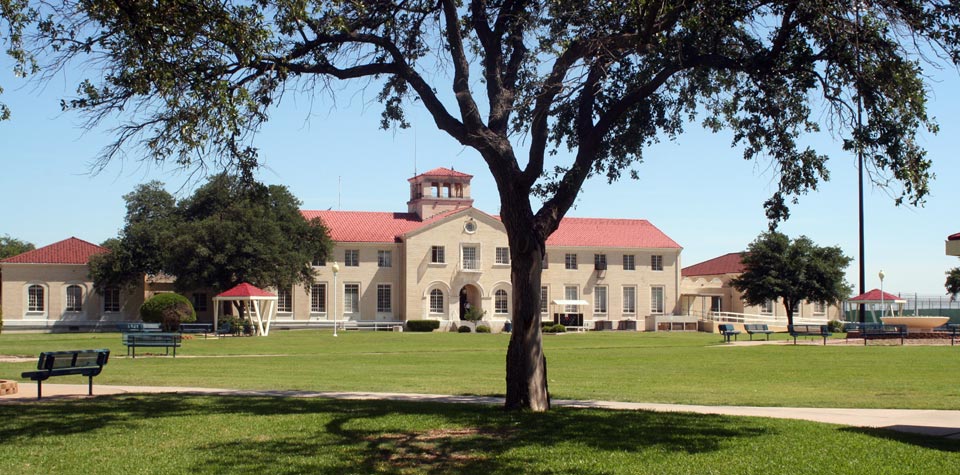
Federal Medical Center (FMC)- Fort Worth Low
Federal Prison | Tarrant County — Texas | Federal Bureau of Prisons
Federal Medical Center Fort Worth Low is a minimum-security federal medical facility located at 3150 Horton Road in Fort Worth, Tarrant County, Texas. Despite being listed under the Texas Department of Corrections system data, this is a federal Bureau of Prisons facility designed to provide specialized medical care to male inmates requiring ongoing treatment. The facility has an operational capacity of 1,502 inmates and is currently overseen by Warden Rodney Chandler.
Families seeking information about inmates at FMC Fort Worth Low can use the federal Bureau of Prisons inmate locator system to find their loved ones. The facility accepts visitation from approved family members and friends, and inmates can receive funds through approved vendors. Understanding the facility's medical mission helps families better support their incarcerated loved ones during their sentence.
Federal Medical Center Fort Worth Low stands apart from other Texas correctional facilities due to its specialized medical mission within the federal prison system. As a medical center with minimum-security housing, FMC Fort Worth serves inmates who require regular medical treatment but do not pose significant security risks. The facility combines healthcare delivery with incarceration, providing comprehensive medical services ranging from chronic disease management to surgical care. This dual purpose means staff includes not only correctional officers but also physicians, nurses, specialists, and allied health professionals who deliver care comparable to community medical standards while maintaining security protocols necessary for a federal correctional environment.
FMC Fort Worth Low houses male federal inmates classified as minimum-security who require ongoing medical attention or specialized healthcare services. The population typically includes individuals with chronic illnesses such as diabetes, heart disease, respiratory conditions, and other medical needs requiring regular monitoring and treatment. Unlike facilities housing general population inmates, FMC Fort Worth prioritizes medical classification over offense type, though inmates have been convicted of federal crimes ranging from white-collar offenses to drug-related charges. All inmates at this facility are sentenced individuals rather than pre-trial detainees. The medical nature of this facility means the population may include elderly inmates, those with mobility limitations, and individuals requiring specialized dietary accommodations or frequent medical interventions as part of their ongoing care plans.
FMC Fort Worth Low provides housing designed to accommodate the medical needs of its inmate population while maintaining minimum-security protocols. Inmates typically reside in dormitory-style housing units rather than individual cells, which allows for easier medical monitoring and response to health emergencies. The facility maintains temperature-controlled environments essential for inmates with certain medical conditions. Meals are provided three times daily with special dietary options available for those with diabetes, heart disease, renal conditions, and other medical requirements necessitating modified nutrition plans.
Medical services form the cornerstone of daily operations, with inmates having regular access to physicians, nurses, and specialists. The facility includes examination rooms, treatment areas, and pharmacy services. Mental health professionals provide psychiatric care and counseling services. Recreation opportunities are adapted to accommodate physical limitations, with both indoor and outdoor areas available. Inmates can file grievances through the federal Bureau of Prisons Administrative Remedy Program, which provides a formal process for addressing concerns about conditions, medical care, or other issues affecting their incarceration.
Federal Medical Center Fort Worth Low offers educational and rehabilitative programs designed to accommodate inmates with medical limitations. GED preparation and adult continuing education classes are available for those seeking to complete their high school equivalency or advance their knowledge. The facility provides vocational training in areas compatible with inmates' physical capabilities, preparing them for employment after release. Substance abuse treatment programs address addiction issues through group counseling and individual therapy, recognizing that many federal inmates struggle with drug or alcohol dependency.
Religious services accommodate multiple faith traditions, with chaplaincy staff coordinating worship services, study groups, and pastoral counseling. Re-entry programming helps inmates prepare for release by addressing healthcare continuity, housing concerns, and community resources available to individuals with ongoing medical needs. The medical focus of this facility means that healthcare education and disease management training form important components of programming, teaching inmates to better manage their conditions upon return to the community.
Work assignments at FMC Fort Worth Low are structured around both institutional maintenance needs and inmates' medical capabilities. Inside jobs include food service positions in the dining hall, orderly duties in housing units, and maintenance work keeping the facility operational. Some inmates work in clerical positions, the commissary, or recreation departments. Given the medical nature of the facility, work assignments are carefully evaluated to ensure they do not conflict with treatment schedules or exacerbate health conditions. The minimum-security classification may allow some inmates to participate in supervised work details outside the secure perimeter, though medical limitations often affect eligibility. Work assignments provide structure and purpose while teaching responsibility and work ethic useful for post-release employment.
Federal Medical Center Fort Worth has served as a specialized healthcare facility within the federal Bureau of Prisons system for decades, though the exact founding date of the Low-security component is not publicly documented in available records. The facility was established to address the growing need for comprehensive medical care within the federal prison system as inmates' healthcare requirements became more complex and costly. Fort Worth was selected due to its central location in Texas and proximity to medical resources in the Dallas-Fort Worth metropolitan area.
Over the years, FMC Fort Worth has expanded its medical capabilities and adjusted its security levels to accommodate different inmate populations requiring healthcare services. The Low-security portion operates alongside other security levels at the Fort Worth complex, allowing the Bureau of Prisons to house inmates with varying security classifications while providing specialized medical treatment. Today, FMC Fort Worth Low continues fulfilling its mission of delivering essential healthcare to federal inmates who would otherwise strain resources at standard correctional facilities.
Visitation at Federal Medical Center Fort Worth Low follows federal Bureau of Prisons regulations and requires advance approval. Prospective visitors must complete an application and undergo a background check before being added to an inmate's approved visiting list. All visitors must present valid government-issued photo identification upon arrival. The facility maintains specific dress code requirements prohibiting revealing clothing, items resembling inmate uniforms, and certain colors or styles that could compromise security.
Visiting schedules vary and families should contact the facility directly to confirm current visiting days and hours, as these may change based on institutional needs or medical considerations. Visitors should arrive early to allow time for processing and security screening. Due to the medical nature of the facility, some visits may be restricted if inmates are receiving treatment or undergoing medical procedures. Families are strongly encouraged to call ahead before traveling to confirm their loved one's visitation eligibility and current facility policies.
To send mail to an inmate at Federal Medical Center Fort Worth Low, address correspondence with the inmate's full name and federal register number, followed by FMC Fort Worth Low, P.O. Box 15330, Fort Worth, TX 76119. All incoming mail is inspected according to federal regulations. Inmates may receive books and educational materials only from approved vendors who ship directly to the facility, not from individual senders.
Inmates can make telephone calls to approved numbers using their assigned phone accounts, which families can fund through approved providers. The federal Bureau of Prisons also offers email communication through the TRULINCS system, allowing families to send electronic messages to inmates for a fee. Families should verify current communication policies and available services by contacting the facility directly, as procedures and approved vendors may change.
Sponsored and Powered by our Partner TruthFinder
Quick Facts
Should I Be Concerned? — Family Guide
Federal Medical Center Fort Worth Low maintains a strong safety record with zero reported staff assaults, reflecting the minimum security classification and focus on medical/behavioral programming. Inmates at this facility typically pose minimal security risks due to lower custody classifications. Visitors should expect standard security screening procedures, but the environment is generally calm and family-friendly. Plan visits in advance by confirming inmate housing status and current visitation schedules.
Neighborhood & Getting There
FMC Fort Worth is located in North Fort Worth at 3150 Horton Road, approximately 15 minutes north of downtown Fort Worth in Tarrant County. The facility sits in an industrial/suburban area with convenient access to Interstate 35W and major highways connecting to Dallas-Fort Worth metro. Hotels and dining options are available 2-3 miles away near the Fort Worth Business District. The location offers reasonable driving access for family visits from across North Texas and neighboring states.