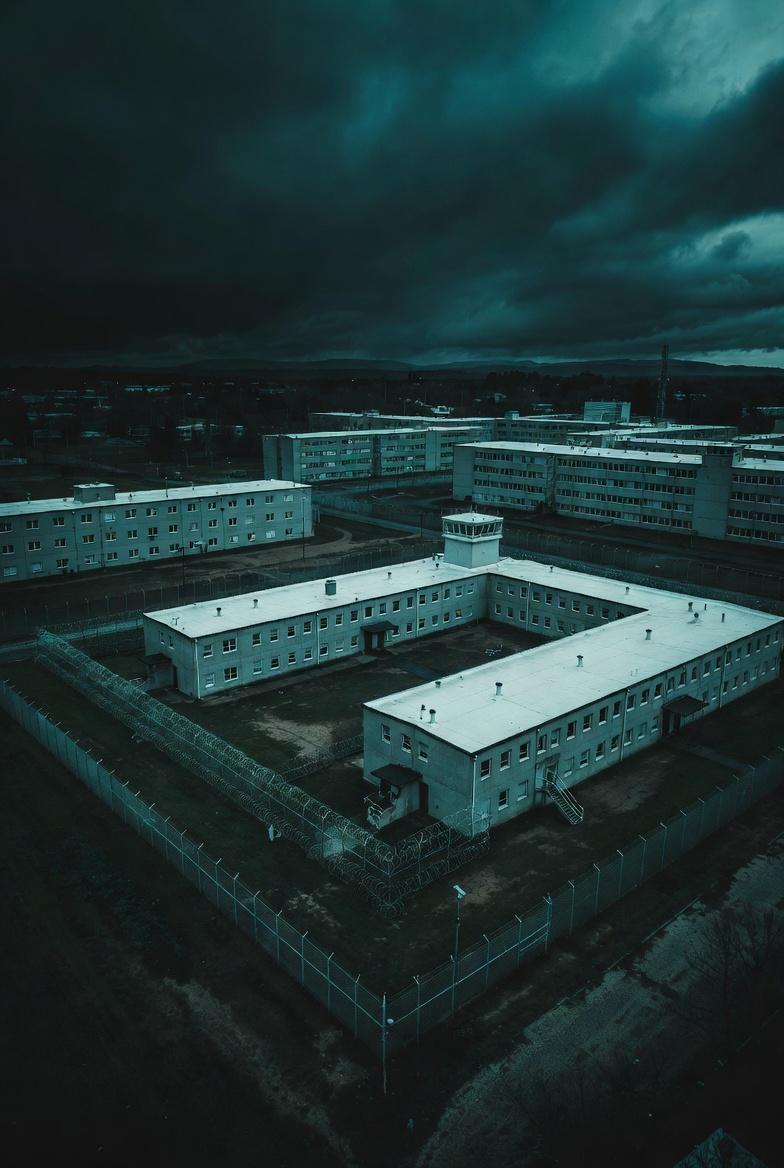
Coconino County Juvenile Detention Center is located at 1001 East Sawmill Road in Flagstaff, Arizona. This medium-security facility operates within the Arizona juvenile justice system and serves Coconino County, which encompasses the Flagstaff area and surrounding communities in northern Arizona. The detention center houses male juveniles who have been arrested or adjudicated for various offenses. The facility provides secure detention for youth awaiting court proceedings, disposition hearings, or serving court-ordered commitments.
Families seeking information about detained juveniles can contact the facility regarding inmate search procedures, visitation schedules, and how to send money for commissary accounts. The detention center maintains records on current detainees and can provide guidance on arrest documentation and court dates for youth in custody.
The Coconino County Juvenile Detention Center serves one of Arizona's largest geographic counties, stretching across nearly 19,000 square miles of northern Arizona territory. This expansive jurisdiction includes not only Flagstaff but also portions of the Navajo Nation, Hopi Reservation, and vast rural areas. The facility must accommodate juveniles from diverse cultural backgrounds, including significant Native American populations, requiring specialized programming and cultural sensitivity training for staff. The detention center's location in Flagstaff at 7,000 feet elevation presents unique operational challenges and opportunities for outdoor programming unavailable to facilities in lower-elevation areas of the state.
The detention center houses male juveniles ranging in age from early teens through 17 years old who have been charged with or adjudicated for offenses in Coconino County. The population includes both pre-adjudication youth awaiting court hearings and post-adjudication juveniles serving court-ordered detention sentences. Offenses range from status offenses and misdemeanors to serious felonies including assault, property crimes, drug offenses, and violations of probation. Due to the county's geographic and demographic diversity, the facility serves youth from urban Flagstaff neighborhoods, rural communities, and tribal lands. The detention center provides classification based on age, offense severity, behavioral history, and individual needs to ensure appropriate supervision and separation when necessary for safety purposes.
Youth at Coconino County Juvenile Detention Center are housed in secure units designed specifically for juvenile detention, with separation based on age, gender, and classification level. The facility provides structured daily schedules that include meals, education, recreation, and programming time. Meals are served three times daily with consideration for nutritional needs of growing adolescents and accommodation for religious or medical dietary requirements. Recreation includes both indoor and outdoor activities when weather permits, taking advantage of Flagstaff's four-season climate. Medical services address routine healthcare needs, sick call, and medication management for detained youth. Mental health services include screening, assessment, and counseling for juveniles experiencing emotional or behavioral health challenges. The detention center maintains a grievance process allowing youth to report concerns about their treatment or conditions. Staff supervision is maintained around the clock to ensure safety and security while supporting rehabilitative goals appropriate for the juvenile justice system.
Educational programming is a central component of services at the detention center, as Arizona law requires school-age youth in detention to receive educational instruction. Teachers provide classroom instruction in core academic subjects, allowing students to continue their education and earn credits toward their home school requirements. The facility offers counseling programs addressing behavioral issues, anger management, substance abuse awareness, and decision-making skills. Programming targets criminogenic needs to reduce recidivism and help youth make positive life changes. Religious services and spiritual counseling are available for youth who wish to participate. Reentry planning begins upon admission, with staff working to coordinate release plans, family reunification, and community connections. Life skills programming helps prepare youth for successful return to their families and communities.
Youth detained at Coconino County Juvenile Detention Center participate in daily living responsibilities and facility maintenance tasks appropriate for a juvenile setting. These assignments teach work skills and personal responsibility while contributing to the facility's daily operations. Duties may include cleaning living areas, assisting with meal service, laundry operations, and general housekeeping under staff supervision. Unlike adult facilities, juvenile detention centers focus on skill-building and responsibility rather than traditional prison industries. Work assignments are structured as learning opportunities and are integrated with the facility's overall rehabilitative approach, emphasizing the importance of contributing to the community and developing positive work habits.
Coconino County has maintained juvenile detention services for decades as part of its commitment to addressing youth crime through the justice system. The current facility at 1001 East Sawmill Road was established to provide secure detention for male juveniles in northern Arizona's most populous county. Over the years, the detention center has evolved to reflect changing philosophies in juvenile justice, moving from purely punitive approaches toward rehabilitation and treatment models. The facility has adapted to serve the county's growing and diverse population while maintaining security standards required for detained youth. Coconino County's juvenile justice system has faced the challenge of serving both urban and rural populations across vast distances, with the detention center serving as a central hub. The facility continues to play a critical role in Coconino County's approach to juvenile justice, balancing public safety with youth development.
Visitation at Coconino County Juvenile Detention Center is an important component of maintaining family connections during a youth's detention. Visitors must be on an approved list and typically include parents, legal guardians, and sometimes other family members as authorized by facility policy and court orders. All visitors must present valid government-issued photo identification before being admitted. Dress code requirements prohibit revealing clothing, gang-related items, and attire that resembles facility uniforms. Visitation schedules are established by the detention center and may vary based on the youth's housing unit and behavioral status. Families should call ahead to confirm visiting hours, verify their approval status, and understand current rules, as policies may change and special restrictions may apply to individual cases.
To send mail to a juvenile detained at Coconino County Juvenile Detention Center, correspondence should be addressed with the youth's full legal name and booking number, sent to 1001 East Sawmill Road, Flagstaff, AZ 86001-5833. All incoming mail is subject to inspection according to facility security policies. Books and publications may need to come directly from approved vendors or publishers rather than individuals. Phone communication is typically managed through collect calls or prepaid phone accounts, with restrictions on call frequency and duration. Families should contact the facility directly to learn about phone account setup and approved calling procedures. Email and electronic messaging availability varies by facility policy and should be confirmed with detention center staff.
Sponsored and Powered by our Partner TruthFinder
Quick Facts
Should I Be Concerned? — Family Guide
Coconino County Juvenile Detention Center maintains a medium-security classification with zero reported staff assaults, indicating a stable operational environment. The facility prioritizes youth rehabilitation and safety management. Visitors should expect standard security procedures including ID verification and property screening; contact the facility ahead of visits to confirm current visiting policies and any restrictions.
Neighborhood & Getting There
Located in Flagstaff, Arizona at 1001 East Sawmill Road, this facility sits in the Coconino County region of northern Arizona. Flagstaff is a mountain town approximately 140 miles north of Phoenix, accessible via I-17. The area features moderate elevation (7,000 feet) with four-season climate. Nearby lodging and dining options are available along Route 66 and major highways. The facility is situated in an accessible commercial area with standard regional infrastructure.