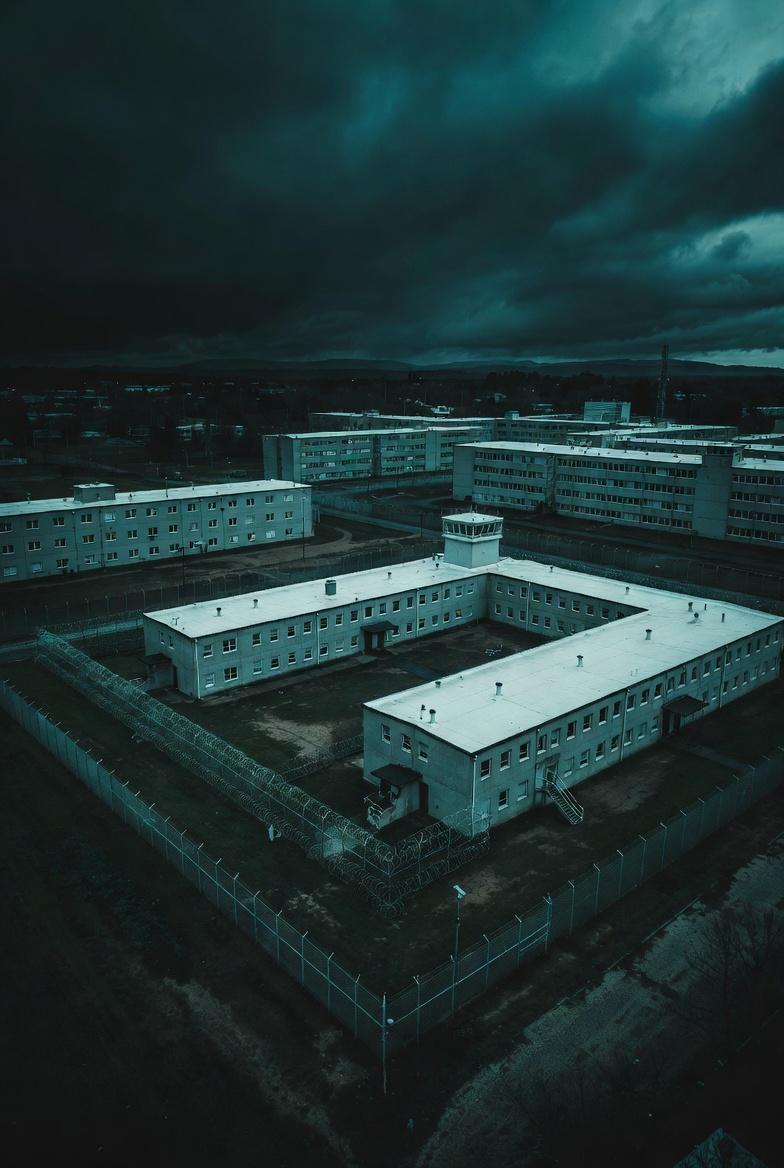
AZDJC - Adobe Mountain School is a medium-security correctional facility located at 2800 West Pinnacle Peak Road in Deer Valley, within Maricopa County, Arizona. Operated by the Arizona Department of Corrections, this facility houses male inmates. The institution sits in the northwest Phoenix metropolitan area near Pinnacle Peak, providing a distinct desert landscape setting. The facility maintains medium-security protocols in accordance with Arizona Department of Corrections standards.
Families seeking information about incarcerated individuals at Adobe Mountain School can conduct inmate searches through official Arizona Department of Corrections channels. Services available include sending money to inmates, scheduling visitation, and accessing arrest records. Understanding facility procedures helps families maintain meaningful contact with their loved ones during incarceration.
Adobe Mountain School distinguishes itself within the Arizona corrections system through its focus on younger adult male offenders and its emphasis on educational programming. The facility's name reflects its historical origins as a juvenile institution before transitioning to serve the adult corrections population. Located in the rapidly developing Deer Valley area of north Phoenix, the institution operates at the intersection of urban expansion and correctional rehabilitation. The facility's medium-security classification allows for more structured programming compared to maximum-security institutions, while maintaining appropriate security protocols. This positioning enables Adobe Mountain School to focus on skill development and behavioral modification for inmates who may benefit from intensive intervention programs.
Adobe Mountain School houses male inmates classified at the medium-security level within the Arizona Department of Corrections system. The population typically includes individuals convicted of various offenses who have demonstrated behavior warranting medium-security placement rather than maximum-security confinement. Classification decisions consider criminal history, institutional conduct, and public safety factors. Inmates at this facility are generally sentenced offenders rather than pre-trial detainees, as the Arizona Department of Corrections primarily manages post-conviction populations. The facility may house individuals at different stages of their sentences, including those participating in rehabilitation programs. Special populations may include inmates enrolled in educational or vocational training designed to reduce recidivism and prepare for community reintegration.
Inmates at Adobe Mountain School reside in housing units designed for medium-security populations, with configurations that balance security requirements and program accessibility. Living quarters typically include dormitory-style or cell-based housing depending on classification and behavior. Daily routines include structured meal times with nutritionally planned food service meeting correctional standards. Recreation opportunities provide physical activity through outdoor yards and indoor facilities, weather permitting in Arizona's desert climate. Medical services address routine healthcare needs, sick call procedures, and chronic condition management through on-site clinical staff and referrals to specialty providers when necessary. Mental health services include screening, counseling, and crisis intervention for inmates experiencing psychological challenges. The facility maintains a formal grievance process allowing inmates to address concerns about conditions, staff interactions, or policy applications through documented procedures reviewed by supervisory personnel. These systems aim to maintain institutional order while respecting inmate rights within the correctional environment.
Adobe Mountain School offers educational programming including GED preparation and adult basic education for inmates lacking high school credentials, recognizing education as a critical factor in successful reentry. Vocational training opportunities may include practical skill development in trades applicable to post-release employment. Substance abuse treatment programs address addiction issues through counseling, group therapy, and evidence-based curricula designed to reduce chemical dependency and associated criminal behavior. Religious services accommodate various faith traditions through volunteer chaplains and organized worship opportunities. Reentry programming helps inmates prepare for release through life skills training, employment readiness, and community resource connections. Program availability and participation depend on security classification, sentence length, institutional conduct, and resource allocation within the Arizona Department of Corrections system.
Work assignments at Adobe Mountain School provide inmates with productive activities while maintaining facility operations. Inside jobs typically include kitchen duty, janitorial services, laundry operations, and facility maintenance tasks that keep the institution functioning daily. These positions teach work habits, responsibility, and practical skills applicable to civilian employment. Some inmates may qualify for outside work details involving grounds maintenance, landscaping, or other supervised activities beyond the secure perimeter. Participation in work programs often depends on security classification, institutional behavior, and program capacity. Work assignments serve dual purposes of institutional efficiency and inmate skill development while potentially offering modest compensation or sentence reduction credits under Arizona Department of Corrections policies.
Adobe Mountain School originally functioned as a juvenile corrections facility before transitioning to serve adult populations under the Arizona Department of Corrections. The facility's name derives from Adobe Mountain, a prominent geological feature in the north Phoenix area, and reflects its educational mission origins. Construction occurred during periods when Arizona expanded its corrections capacity to address growing incarceration needs. The institution has adapted over decades to changing corrections philosophies, shifting from purely punitive approaches toward greater emphasis on rehabilitation and reentry preparation. Located in what was once a relatively remote area north of Phoenix, the facility has witnessed substantial urban development surrounding its Pinnacle Peak Road location. Throughout its operational history, Adobe Mountain School has evolved its programming and security practices in response to correctional best practices and Arizona Department of Corrections directives, maintaining its current role as a medium-security male facility.
Visitation at Adobe Mountain School requires visitors to obtain prior approval through the Arizona Department of Corrections visitor application process, which includes background checks. All visitors must present valid government-issued photo identification upon arrival. Dress code policies prohibit revealing clothing, items resembling inmate uniforms, and certain colors specified by facility regulations. Families should review the complete dress code before visiting to avoid denial of entry. Visitation scheduling follows specific days and times determined by inmate housing assignments and security protocols. Visitors can expect security screening including metal detectors and possible searches of belongings. Families are strongly encouraged to call the facility ahead of planned visits to confirm current visitation hours, verify visitor approval status, and learn about any schedule changes or facility-wide restrictions that may affect visiting privileges.
Mail sent to inmates at Adobe Mountain School must include the inmate's full legal name, Arizona Department of Corrections number, and the complete facility address: 2800 West Pinnacle Peak Road Phoenix, AZ 85027. All incoming mail undergoes security inspection before delivery to inmates. Books and publications must typically come directly from approved vendors or publishers rather than personal senders to comply with security protocols. Inmates can make telephone calls through approved phone systems requiring prepaid accounts established by friends and family members. These accounts allow inmates to place collect or debit calls depending on the phone service provider contracted by the Arizona Department of Corrections. Some facilities offer email or electronic messaging services through third-party vendors, though availability varies and families should verify current communication options directly with the institution.
Sponsored and Powered by our Partner TruthFinder
Quick Facts
Should I Be Concerned? — Family Guide
AZDJC - Adobe Mountain School maintains a medium-security classification with zero reported staff assaults, indicating a relatively stable facility environment. Visitors should expect standard security procedures including searches and identification verification. The unknown occupancy rate suggests the facility operates within normal parameters. When planning a visit, arrive during official visiting hours, bring valid identification, and follow all facility rules to ensure a safe and smooth experience.
Neighborhood & Getting There
Adobe Mountain School is located in Deer Valley, Maricopa County, in northwest Phoenix, Arizona. The facility sits in a rural-suburban area near Pinnacle Peak, approximately 30-40 minutes from downtown Phoenix. The region is characterized by desert terrain and newer development. Visitors can access the facility via major highways including the Loop 101. Nearby hotel options and services are available along Phoenix's northbound corridors, with I-17 access approximately 20 minutes south of the facility.