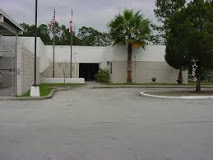
Volusia Regional Juvenile Detention Center
State Prison | Volusia County — Florida | VRJDC | Florida Department of Juvenile Justice | FDJJ
Volusia Regional Juvenile Detention Center is a state-operated juvenile detention facility located in Daytona Beach, Florida — a coastal city in Volusia County with a population of approximately 65,000 residents. As part of Florida's Department of Juvenile Justice (DJJ) system, this facility is designed specifically to house youth offenders who are awaiting court hearings, placement decisions, or transfers to longer-term residential programs. The center operates with a capacity of 64 beds, and youth are housed in separate units based on their risk assessment level, the nature of their charges, and their behavioral history within the facility.
The facility operates under the supervision of the facility superintendent and is staffed by trained juvenile justice professionals, including detention officers, case managers, mental health counselors, and educational staff. Unlike adult correctional institutions, juvenile detention centers like this one are designed with rehabilitation as a primary goal alongside secure custody. The center follows Florida DJJ guidelines and is subject to regular state oversight and inspection to ensure compliance with youth safety and welfare standards.
If you have a child, sibling, or other loved one currently held at Volusia Regional Juvenile Detention Center, it is important to act quickly. Contact the facility directly to confirm placement and get guidance on visitation and communication procedures. You should also consider reaching out to a juvenile defense attorney as soon as possible — early legal counsel can significantly impact the outcome of a young person's case. Families can also search criminal records to help gather background information and better understand the charges involved. Volusia Regional Juvenile Detention Center is one of many secure youth facilities across Florida correctional facilities, all operating under the Florida Department of Juvenile Justice.
One of the most distinguishing features of Volusia Regional Juvenile Detention Center is its dual mandate: secure custody and active rehabilitation. Unlike adult jails that primarily focus on confinement, this facility is legally and operationally required to provide educational services, mental health screenings, and structured programming to every youth in its care — regardless of the length of their stay.
As a regional facility, the center serves multiple counties in the northeast Florida area, making it a centralized hub for juvenile justice in the Volusia County region. Its location in Daytona Beach provides reasonable proximity for families from surrounding communities, which is important for maintaining family connections that research shows significantly improve youth outcomes post-release. The facility also coordinates closely with the local court system, public defenders, and community service providers to facilitate swift and appropriate case resolution for the young people in its care.
Volusia Regional Juvenile Detention Center houses male and female juvenile offenders between the ages of approximately 11 and 18, though most detained youth fall in the 14–17 age range. The facility has a capacity of 64 beds and typically houses youth who are in one of three categories: pre-trial detainees awaiting adjudication hearings, youth awaiting placement in a residential commitment program, or youth who have violated the terms of their probation.
The detained population reflects a range of offense types, from misdemeanor-level charges to serious felony offenses. Florida law requires that youth be assessed using a standardized detention risk instrument before being placed in secure detention, meaning only those who meet a threshold risk level are held at the facility. Youth with lower risk scores are typically diverted to home detention or community supervision. At any given time, the population at Volusia Regional is dynamic, with youth frequently entering and exiting the facility based on court activity.
Living conditions at Volusia Regional Juvenile Detention Center are structured to meet Florida DJJ standards for secure juvenile facilities, which are distinct from adult correctional standards. Youth are housed in individual or small shared sleeping areas and follow a highly regimented daily schedule that includes wake-up times, meals, school, recreation, and lights-out. Structure and routine are considered essential elements of a therapeutic environment for adolescents.
The facility provides three meals per day, access to hygiene products, and clean clothing. Youth have access to an outdoor recreation area and participate in structured physical activity as part of their daily schedule. Medical and mental health services are available on-site, including initial health screenings upon intake and ongoing care as needed. Mental health professionals conduct assessments to identify youth who may be experiencing trauma, substance use issues, or psychiatric conditions that require attention.
Behavioral expectations are clearly communicated to youth upon arrival, and a behavior management system is used to encourage positive conduct. Youth who follow the rules and engage with programming may earn privileges such as additional recreation time or increased communication access. The overall environment is intended to be secure but not punitive in the adult sense — the goal is always to prepare youth for a successful return to their families and communities.
Programming at Volusia Regional Juvenile Detention Center is a cornerstone of its operations and is required by Florida law for all secure juvenile facilities. Every youth detained at the facility, regardless of the length of their stay, is entitled to participate in educational and supportive programming during their time there.
Educational services are provided through the local school district partnership, ensuring that detained youth continue working toward their academic credits and diplomas while in custody. Certified teachers provide classroom instruction covering core subjects including math, reading, science, and social studies. Youth who are close to earning their GED may also have access to preparation resources.
- Mental Health Services: Licensed clinicians conduct mental health screenings and provide individual and group counseling services to youth experiencing emotional or behavioral challenges.
- Substance Abuse Education: Many youth in the juvenile justice system have histories of substance use, and the facility offers educational programming to address these issues.
- Life Skills Training: Programming designed to help youth develop conflict resolution skills, emotional regulation, and decision-making abilities that support positive behavior after release.
- Cognitive-Behavioral Interventions: Evidence-based programs targeting thinking patterns associated with delinquent behavior.
- Recreation and Physical Fitness: Structured physical activity programs that support both physical and mental health.
Family engagement is also encouraged as part of the rehabilitation process. Research consistently shows that youth who maintain strong family ties during detention have better outcomes after release, and the facility supports this through its visitation and communication policies.
Volusia Regional Juvenile Detention Center has served Volusia County and the surrounding region as a critical component of Florida's juvenile justice infrastructure for several decades. The facility was established to address the need for a secure, locally accessible detention option for youth offenders in the northeast Florida region, reducing the burden of transporting juveniles long distances to facilities in other counties.
Florida's juvenile justice system underwent significant restructuring in the 1990s following the creation of the Department of Juvenile Justice in 1994. The DJJ was established as a standalone agency separate from the Department of Corrections, reflecting the state's recognition that juvenile offenders require specialized treatment, education, and rehabilitation services rather than punitive adult-model incarceration. Volusia Regional Juvenile Detention Center was incorporated into this new framework and has since operated under DJJ oversight.
Over the years, the facility has adapted its programming and operational procedures in response to evolving research on adolescent brain development and juvenile recidivism. Florida has made ongoing efforts to reduce juvenile incarceration rates through diversion programs and community-based alternatives, and facilities like Volusia Regional play a role in that continuum — serving as the secure end of the spectrum for youth who pose a public safety risk while awaiting disposition. The center has served thousands of Volusia County youth over its operational history, with the goal of not only ensuring community safety but providing a foundation for youth to successfully reenter society.
No widely documented famous former inmates are associated with Volusia Regional Juvenile Detention Center. As a juvenile facility, the identities of detained youth are protected by Florida law, and juvenile records are generally confidential. If you are researching a specific individual's background or legal history, you can search public criminal records for any available information on adults with prior juvenile history that may have been unsealed.
Visitation is an important part of maintaining family bonds and supporting a young person's rehabilitation during their time at Volusia Regional Juvenile Detention Center. The facility follows Florida DJJ guidelines for juvenile visitation, which prioritize family involvement while maintaining security protocols.
Visits are typically scheduled on weekends and may also be available on certain weekdays depending on the facility's schedule and the youth's status. All visitors must be pre-approved before visiting. Parents and legal guardians are generally the primary approved visitors, while other family members such as siblings or grandparents may be approved on a case-by-case basis. All adult visitors are subject to a background check, and those with certain criminal convictions may be denied access.
- Scheduling: Contact the facility directly at (386) 238-4780 to inquire about current visitation schedules and to get on the approved visitor list.
- ID Required: All visitors must present valid government-issued photo identification at the time of the visit.
- Dress Code: Visitors are expected to dress appropriately; clothing resembling inmate attire or that is deemed inappropriate may result in denial of entry.
- Contact Visits: Depending on a youth's behavior and risk level, visits may be contact or non-contact.
For additional information on visitation rules and to learn more about supporting your loved one financially, see our guide on how to send money to an inmate for commissary and other needs. You can also visit the Florida Department of Juvenile Justice detention centers page for official statewide visitation and facility information.
Contacting a juvenile detained at Volusia Regional Juvenile Detention Center is different from contacting an adult in a county jail or state prison. Due to the age of the residents and Florida's juvenile confidentiality laws, communication options are more structured and closely monitored.
Phone calls are generally available to detained youth, but calls are typically made outbound by the youth to pre-approved numbers rather than inbound to the facility. Families should provide their phone number to the facility upon intake so it can be added to the youth's approved contact list. Written mail may also be accepted at the facility; contact the administration directly to confirm the current mailing address and mail policy before sending correspondence.
If you are uncertain whether a young person is currently held at this facility, or you need to locate someone in the juvenile justice system, review our guide on how to find an inmate for step-by-step instructions. You may also look up an individual's arrest history through public records tools to get a clearer picture of someone's legal situation. For the most accurate and current information, always contact the facility directly at (386) 238-4780 or by fax at (386) 947-1577.
Sponsored and Powered by our Partner TruthFinder
Quick Facts
Should I Be Concerned? — Family Guide
Volusia Regional Juvenile Detention Center is a secure, professionally managed facility designed to prioritize safety for all residents and visitors. The center maintains strict security protocols including controlled visitor access, metal detection screening, and trained staff presence throughout all areas. Visiting hours are monitored and structured to ensure a safe environment for families and detainees.
The facility is located in a controlled institutional area with law enforcement presence. Families should plan visits during designated hours, follow all security procedures, and contact the center in advance to confirm visitation eligibility. Staff members are trained in conflict de-escalation and emergency response to maintain a secure setting at all times.
Neighborhood & Getting There
Volusia Regional Juvenile Detention Center is situated in Daytona Beach, Florida, approximately 3 miles west of downtown Daytona Beach. The facility is located in an institutional area near other government and service buildings. The surrounding neighborhood offers convenient access to major roadways including Interstate 95, which is about 5 minutes away, making it accessible from across Volusia County.
Nearby accommodations for visiting families include several hotels within 10-15 minutes of the facility, such as options along Beach Street and International Speedway Boulevard. The area offers restaurants, gas stations, and retail services for visitors. Downtown Daytona Beach is approximately 10-15 minutes away, offering additional dining and lodging choices for families who need to stay overnight.