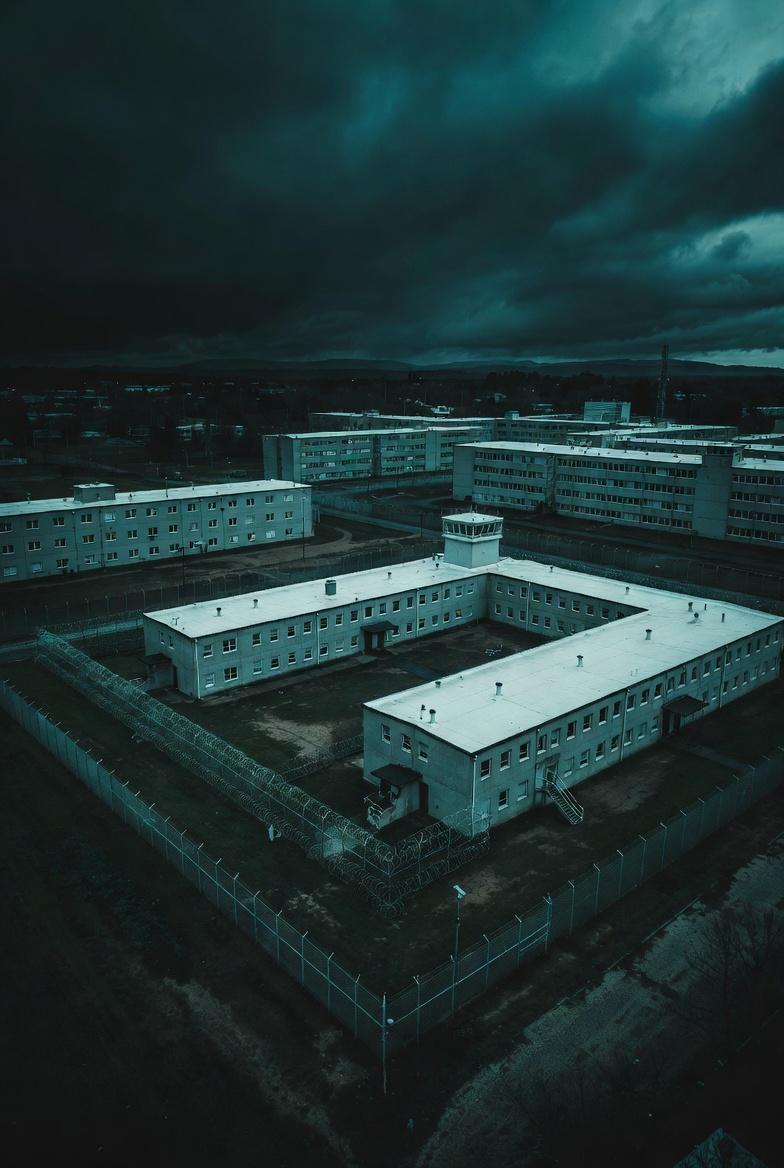
United States Penitentiary Atwater is a maximum security federal correctional facility located at 1 Federal Way in Atwater, Merced County, California. Opened in 2001, this institution operates under federal jurisdiction rather than the California Department of Corrections, housing adult male inmates convicted of federal crimes. The facility serves as one of several federal penitentiaries in California designed to manage high-security inmates requiring controlled environments and extensive supervision.
Families seeking information about inmates at USP Atwater can perform inmate searches through federal databases, send money through approved federal systems, and schedule visits according to strict federal protocols. Understanding the facility's specific procedures for mail, visitation, and communication helps maintain connections with incarcerated loved ones during their federal sentences.
United States Penitentiary Atwater stands distinct as a federal maximum security facility operating in California's Central Valley agricultural region. Unlike state-run California prisons, USP Atwater houses inmates convicted of federal offenses under United States Bureau of Prisons jurisdiction. The facility's location in rural Merced County provides geographic isolation typical of high-security federal penitentiaries, while its 2001 construction represents modern federal prison architecture and security technology. Since Warden John Bell's leadership, the institution has maintained its role within the federal prison system's network of maximum security facilities designed for inmates requiring the highest custody levels and most restrictive housing environments available in federal corrections.
United States Penitentiary Atwater exclusively houses adult male inmates convicted of federal crimes requiring maximum security custody. The population consists primarily of sentenced federal offenders serving lengthy terms for serious violations of federal law, including drug trafficking conspiracies, weapons offenses, organized crime activities, violent crimes on federal property, and white-collar crimes involving significant financial losses. Unlike county jails or state prisons, USP Atwater does not house pre-trial detainees or state-level offenders. The classification system places inmates based on criminal history, sentence length, institutional behavior, and security threat assessments. Many residents have extensive criminal backgrounds or committed offenses warranting the enhanced security protocols typical of federal penitentiaries, where controlled movement and heightened supervision define daily operations.
United States Penitentiary Atwater features highly controlled housing units consistent with maximum security federal prison standards. Inmates typically reside in single or double-occupancy cells with limited personal property allowances and restricted movement throughout the facility. Daily schedules include structured mealtimes in controlled dining environments, with food service meeting federal nutritional standards. Recreation opportunities occur in secure yards with scheduled access times and supervision. Medical services operate through the Federal Bureau of Prisons health services division, providing sick call, chronic care management, and emergency treatment. Mental health professionals address psychiatric needs through counseling, medication management, and crisis intervention when necessary. The facility maintains a formal grievance process allowing inmates to address concerns through administrative remedy procedures, progressing from informal resolution attempts through formal appeals. All aspects of daily life reflect the security requirements of maximum custody federal incarceration, with constant supervision and accountability measures governing inmate activities and interactions.
USP Atwater provides educational programs including literacy classes and GED preparation for inmates lacking high school credentials, recognizing that educational achievement supports successful reintegration. Vocational training opportunities exist in various trades, teaching marketable skills for post-release employment. Substance abuse treatment programs address addiction issues through residential drug abuse programming and non-residential counseling approaches developed by the Federal Bureau of Prisons. Religious services accommodate diverse faith traditions with chaplaincy support and volunteer religious groups conducting worship services and study sessions. Re-entry programming helps inmates prepare for release through transition planning, though maximum security inmates typically serve lengthy sentences before becoming eligible for community-based programming. Participation in programs can positively influence institutional adjustment and may affect security classification decisions over time within federal custody progression systems.
Work assignments at United States Penitentiary Atwater provide structure and institutional maintenance support while offering inmates modest compensation through the Federal Bureau of Prisons UNICOR program and facility services. Inside job assignments include food service operations, facility maintenance, laundry services, grounds keeping, and unit orderly positions. These assignments keep the institution functioning while teaching work habits and responsibility. UNICOR industrial operations may provide manufacturing or production work, though specific industries vary by facility needs and contracts. Work assignments in maximum security environments operate under close supervision with security considerations paramount. Compensation rates follow federal prison standards, with earnings credited to inmate accounts for commissary purchases, restitution payments, and family support.
United States Penitentiary Atwater opened in 2001 as part of federal prison system expansion addressing growing federal inmate populations during the late twentieth century's increased federal prosecution efforts. The facility's construction in Merced County's agricultural region provided employment opportunities for the local community while establishing a modern maximum security penitentiary incorporating contemporary correctional design principles. Built during an era of federal corrections expansion, the facility features security technology and architectural elements reflecting lessons learned from earlier federal institutions. Under Warden John Bell's current leadership, USP Atwater continues serving its designated role within the Federal Bureau of Prisons network of high-security facilities. The institution has operated for over two decades as a stable component of federal corrections infrastructure, housing inmates requiring maximum custody throughout California and the western United States federal judicial districts.
Visiting United States Penitentiary Atwater requires advance approval through the Federal Bureau of Prisons visitor application process, with background checks conducted on all potential visitors. Approved visitors must present valid government-issued photo identification upon arrival and comply with strict dress code requirements prohibiting revealing clothing, certain colors, and specific garments. Visitation scheduling follows federal protocols with designated visiting days and times assigned based on inmate housing units. Visitors should expect thorough security screening including metal detectors and possible searches. The maximum security environment means visiting procedures are highly controlled with specific rules governing physical contact and behavior during visits. Families should contact the facility well in advance to understand current visitation policies, as procedures may change based on security needs or operational requirements.
Mail sent to inmates at United States Penitentiary Atwater must include the inmate's full name and federal register number, addressed to USP Atwater, U.S. Penitentiary, P.O. Box 019001, Atwater, CA 95301. All incoming mail undergoes inspection according to federal prison regulations. Books and publications must come directly from approved vendors or publishers, not from individuals. Inmates can make telephone calls through the federal prison telephone system using pre-approved phone lists and prepaid calling accounts established by families. The Federal Bureau of Prisons TRULINCS electronic messaging system may be available, allowing email-style communication for approved contacts who register and fund accounts online, though availability depends on current facility operations and security level considerations.
Sponsored and Powered by our Partner TruthFinder
Quick Facts
Should I Be Concerned? — Family Guide
As a maximum security penitentiary, USP Atwater maintains strict safety protocols with controlled inmate movement and limited contact visits. With zero reported staff assaults, the facility demonstrates strong security management. Visitors should expect thorough security screening, clear visitation rules, and designated visiting areas. Plan ahead and review current visiting policies before traveling.
Neighborhood & Getting There
United States Penitentiary Atwater is located in Merced County in California's Central Valley, approximately 90 miles south of Sacramento and 150 miles northeast of San Francisco. The facility sits near the small city of Atwater, with basic lodging and services available locally. Highway 99 provides primary access, with Fresno International Airport about 60 miles south offering the nearest major air travel option for visitors from out of state.