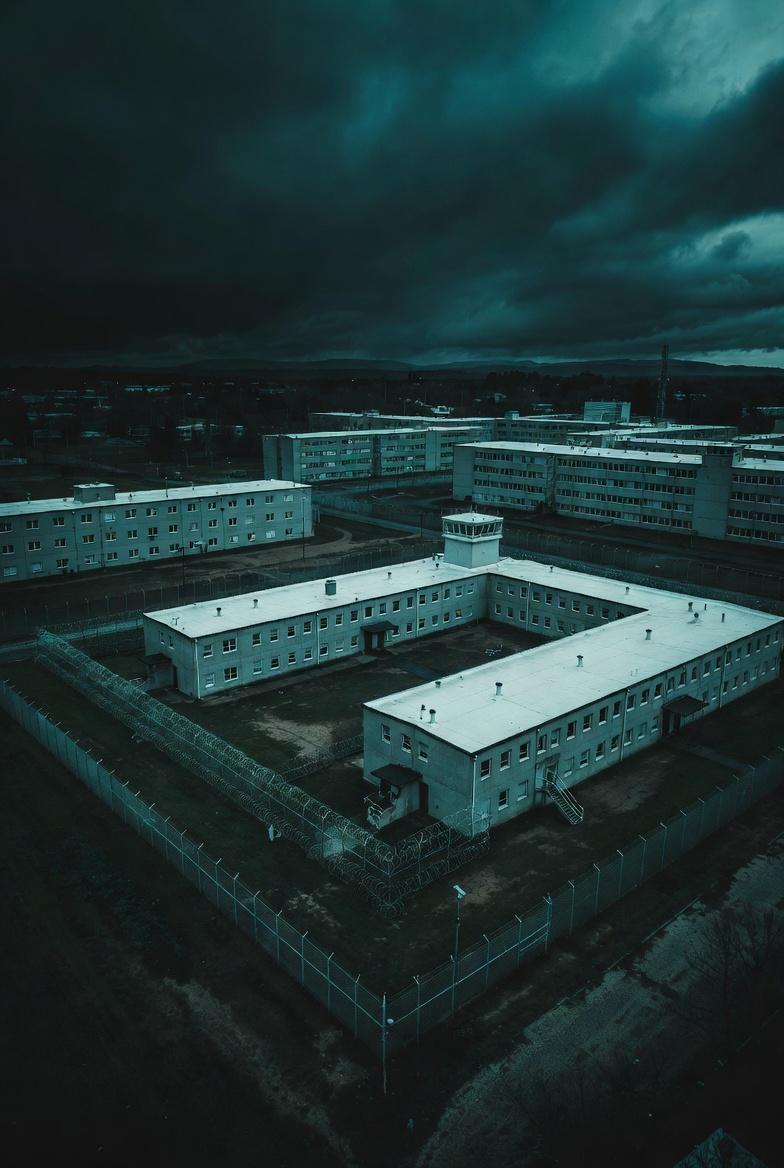
Amador County CA Juvenile Detention Center is located at 2880 East Gibson Road in Woodland, California, within Yolo County. Despite its name referencing Amador County, this medium-security facility operates under the California Department of Corrections and exclusively houses male juvenile offenders. The center serves as a secure detention facility for youth awaiting court proceedings or serving sentences following adjudication in the California juvenile justice system.
Families seeking information about juveniles detained at this facility can conduct inmate searches, submit money transfers for commissary accounts, and arrange approved visitation. Understanding the facility's policies regarding arrest records, communication procedures, and visitation guidelines helps families maintain vital connections with incarcerated youth during their time in custody.
The Amador County CA Juvenile Detention Center operates in Woodland, which is geographically located in Yolo County rather than Amador County, creating a unique jurisdictional arrangement in California's juvenile detention system. This naming convention reflects inter-county cooperative agreements that allow certain California counties to house juvenile offenders in facilities outside their geographic boundaries. The center's focus exclusively on male juvenile populations distinguishes it from co-educational youth facilities elsewhere in the state. Its location on East Gibson Road places it within a concentrated corrections corridor in Woodland, facilitating administrative efficiency and resource sharing among multiple detention facilities in the region.
The Amador County CA Juvenile Detention Center houses male juvenile offenders who range from pre-adjudication detainees awaiting court hearings to adjudicated youth serving sentences following juvenile court proceedings. The population typically includes juveniles charged with or convicted of various offense levels, from status offenses and misdemeanors to serious felonies. Classification systems separate youth based on age, offense severity, behavioral history, and special needs to ensure appropriate supervision and programming. Some residents may be awaiting transfer to California Division of Juvenile Justice facilities for longer-term commitment, while others serve shorter detention periods. The facility addresses special populations including youth with educational disabilities, mental health needs, and those requiring protective custody due to vulnerability factors within the juvenile detention environment.
Juvenile residents at the Amador County CA Juvenile Detention Center are housed in secure dormitory-style or individual cell units designed specifically for youth populations, with classification determining housing assignments. Daily meals are provided in accordance with nutritional standards for developing adolescents, accommodating dietary restrictions and religious requirements. Recreational opportunities include structured physical activities in secure outdoor recreation yards and indoor gymnasium spaces, essential for youth physical and mental health. Educational services continue during detention through on-site classroom instruction to prevent academic disruption. Medical services address routine healthcare needs, medication management, and acute medical issues through nursing staff and contracted physicians. Mental health professionals provide counseling, crisis intervention, and therapeutic services recognizing the prevalence of trauma and behavioral health needs among detained youth. A formal grievance process allows juveniles to report concerns about conditions, treatment, or safety issues through established administrative channels, with oversight from juvenile justice authorities.
Educational programming at the Amador County CA Juvenile Detention Center maintains academic continuity for detained youth through accredited classroom instruction aligned with California educational standards, including coursework toward high school diplomas and opportunities for credit recovery. Specialized education services address learning disabilities and individualized education plans as required by federal law. Vocational exploration programs may introduce youth to practical skills and career pathways. Substance abuse education and counseling address addiction issues prevalent among juvenile justice populations, incorporating age-appropriate prevention and treatment models. Religious services and pastoral counseling are available for youth seeking spiritual support during detention. Re-entry preparation helps youth transition back to their communities through discharge planning that connects them with community-based services, educational placement, and family support resources to reduce recidivism.
Work assignments within the Amador County CA Juvenile Detention Center typically include facility maintenance duties such as laundry services, kitchen assistance under staff supervision, and housekeeping responsibilities in common areas. These assignments teach basic work skills, responsibility, and structure while contributing to facility operations. Youth may participate in grounds maintenance projects within the secure perimeter. Unlike adult facilities, juvenile detention centers emphasize educational and rehabilitative programming over industrial production or outside work crews, reflecting the developmental needs and legal protections afforded to minors in custody. Work opportunities are designed to be age-appropriate and developmentally beneficial rather than purely labor-focused.
The Amador County CA Juvenile Detention Center's establishment reflects California's historical approach to regional juvenile detention arrangements, where counties collaborate to provide secure custody facilities for youth offenders. While specific founding dates remain undocumented in available records, the facility's presence in Woodland alongside other corrections facilities suggests development during periods of expanding juvenile justice infrastructure in California. The naming convention indicating Amador County while being physically located in Yolo County points to inter-county service agreements common in California's regional approach to juvenile detention. Over time, the facility has adapted to evolving juvenile justice philosophies emphasizing rehabilitation over punishment, particularly following California's realignment initiatives that redirected many youth from state-level facilities to county supervision. Today, the center continues serving as a secure detention option for male juveniles within California's complex multi-county juvenile justice network.
Visitation at the Amador County CA Juvenile Detention Center requires approved visitors to present valid government-issued photo identification upon arrival. Dress codes prohibit clothing that resembles inmate attire, sexually suggestive garments, or items with gang affiliations. Prospective visitors must complete background screening and approval processes before being permitted contact visits with juveniles. Scheduling procedures vary and may include specific visiting days and times depending on housing assignments and facility operations. Visitors should expect security screening including metal detectors and possible searches of personal belongings. Given the sensitive nature of juvenile detention and frequent policy updates, families should contact the facility directly before traveling to confirm current visitation schedules, approval status, and any special requirements specific to their situation.
Mail sent to juveniles at the Amador County CA Juvenile Detention Center should include the youth's full legal name and booking number, followed by the facility address at 2880 East Gibson Road, Woodland, CA 95776. All incoming correspondence undergoes screening for contraband and prohibited content. Books and publications typically must be sent directly from approved vendors or publishers rather than from individuals to prevent security concerns. Phone privileges allow juveniles to make collect calls or prepaid calls to approved contacts through established telephone accounts that families can fund. Policies regarding email or electronic messaging systems vary by facility and should be verified directly with facility administration. Families should understand that all communications may be monitored except legally protected attorney correspondence.
Sponsored and Powered by our Partner TruthFinder
Quick Facts
Should I Be Concerned? — Family Guide
Amador County CA Juvenile Detention Center operates at Medium security level with zero reported staff assaults, indicating a stable facility environment. As a juvenile detention center, the facility emphasizes rehabilitation and youth development within a structured setting. When visiting, plan ahead for processing requirements, arrive during official visiting hours, bring valid identification, and expect standard security screening procedures.
Neighborhood & Getting There
Located in Woodland, California, Amador County CA Juvenile Detention Center sits in Yolo County in the Central Valley region, approximately 90 minutes northwest of Sacramento and 90 minutes east of the San Francisco Bay Area. The facility is accessible via Highway 113 and Interstate 5. Woodland is a small agricultural community with basic amenities including hotels near downtown and major highway corridors, making it moderately accessible for visiting families from greater Sacramento and Bay Area regions.