Miami-Dade County Department <br>of Corrections and Rehabilitation
Prison System | Miami-Dade County — Florida | Miami-Dade DOC
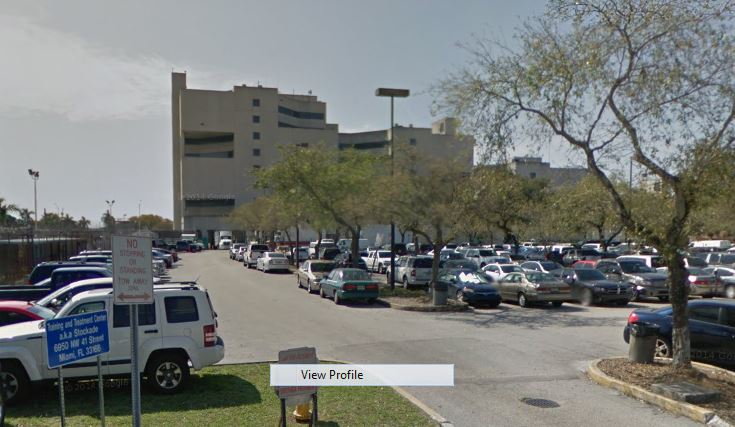
The Miami-Dade County Department of Corrections and Rehabilitation operates as one of the largest county-level detention systems in Florida, located at 6950 NW 41st Street in Miami, Miami-Dade County. This facility operates under the Florida Department of Corrections system and houses male inmates across all security classifications from minimum to maximum. Currently housing approximately 4,971 inmates with a total capacity of 7,750, the facility serves as the primary correctional institution for Miami-Dade County. Director Marydell Guevara oversees operations at this comprehensive detention complex.
Families seeking information about incarcerated loved ones can access inmate search tools to locate individuals within the facility. The department provides multiple services including secure visitation scheduling, approved methods to send money for commissary accounts, and detailed arrest records. Understanding facility procedures helps families maintain meaningful contact with inmates throughout their incarceration period.
The Miami-Dade County Department of Corrections and Rehabilitation stands out as one of the largest county-operated correctional systems in Florida and among the most populous in the entire southeastern United States. Unlike traditional single-facility jails, this department operates a comprehensive corrections complex that manages both pre-trial detention and sentenced inmates across multiple security levels within a single administrative structure. The facility's location in Miami positions it within one of the nation's most culturally diverse metropolitan areas, requiring specialized language services and culturally responsive programming. The department's extensive capacity of 7,750 beds reflects Miami-Dade County's status as Florida's most populous county, processing tens of thousands of bookings annually through its intake center.
The Miami-Dade County Department of Corrections and Rehabilitation houses a diverse population of approximately 4,971 male inmates representing various classification levels and legal statuses. The population includes a significant proportion of pre-trial detainees awaiting court proceedings, alongside sentenced inmates serving county-level sentences typically under one year. The facility manages inmates charged with or convicted of offenses ranging from misdemeanors to serious felonies requiring maximum security housing. Classification assessments determine appropriate housing assignments based on charges, criminal history, behavioral factors, and security risk levels. The inmate population reflects Miami-Dade County's demographic diversity, with substantial representation from multiple ethnic and cultural backgrounds. Special management units accommodate inmates requiring protective custody, medical observation, or disciplinary segregation based on individual circumstances and institutional safety considerations.
The Miami-Dade County Department of Corrections and Rehabilitation utilizes various housing configurations appropriate to different security classifications, including direct supervision dormitories for minimum security inmates and secure cell blocks for higher security populations. Inmates receive three meals daily prepared according to nutritional standards and accommodating medical dietary restrictions and religious observances when documented. Recreation opportunities vary by housing unit and security level, with scheduled outdoor recreation periods and indoor dayrooms for physical activity and socialization. Medical services include intake health screenings, sick call procedures, chronic disease management, dental care, and emergency medical response capabilities staffed by healthcare professionals. Mental health services provide psychiatric evaluation, counseling, crisis intervention, and medication management for inmates with diagnosed mental health conditions. The facility operates a formal grievance system allowing inmates to submit written complaints regarding conditions, staff interactions, or policy violations, with established review procedures and response timelines ensuring accountability and addressing legitimate concerns through administrative channels.
The Miami-Dade County Department of Corrections and Rehabilitation offers educational programming including adult basic education and GED preparation classes to help inmates achieve high school equivalency credentials. Vocational training opportunities provide practical skills in various trades to enhance employment prospects upon release. Substance abuse programs address addiction issues through counseling, education, and evidence-based treatment modalities recognizing the connection between substance dependency and criminal behavior. Religious services accommodate multiple faith traditions with scheduled worship services, chaplaincy support, and religious study groups. Re-entry preparation programs focus on successful community reintegration by addressing employment readiness, housing resources, identification documentation, and family reunification strategies. Program availability and participation eligibility depend on factors including security classification, sentence length, behavioral record, and space availability within specific programs.
Work assignments at the Miami-Dade County Department of Corrections and Rehabilitation provide inmates with structured activity while supporting facility operations. Inside work details include food service assignments in kitchen facilities, custodial maintenance throughout housing units and common areas, laundry operations, and administrative support roles. Trustees meeting specific security and behavioral criteria may qualify for positions requiring greater responsibility and autonomy. These work assignments offer inmates opportunities to develop work habits, acquire practical skills, and sometimes earn modest compensation or sentence credits depending on assignment type and applicable policies. Work participation is generally considered a privilege extended to inmates demonstrating appropriate conduct and reliability.
The Miami-Dade County Department of Corrections and Rehabilitation was established in 1970 to address growing correctional needs in Florida's most populous county. The facility was constructed during a period of significant population growth in South Florida, creating demand for expanded detention capacity beyond the historic downtown Miami jail facilities. Over the decades, the department has undergone multiple expansions and modernization projects to accommodate increasing inmate populations and evolving correctional standards. The complex has developed into a comprehensive corrections system incorporating intake processing, housing across multiple security levels, medical and mental health services, and programmatic offerings. The facility has navigated various challenges inherent to large urban jail systems, including overcrowding concerns, litigation regarding conditions of confinement, and ongoing efforts to balance security requirements with rehabilitative objectives. Today, under Director Marydell Guevara's leadership, the department continues serving as Miami-Dade County's primary correctional institution.
Visitation at the Miami-Dade County Department of Corrections and Rehabilitation requires advance planning and compliance with established procedures. All visitors must be approved through the visitor registration process before scheduling visits, which includes background checks and relationship verification. Valid government-issued photo identification is mandatory for all adult visitors. The facility enforces a strict dress code prohibiting revealing clothing, specific colors that may represent gang affiliations, and items that could pose security concerns. Visitors should expect to pass through security screening including metal detectors and possible searches. Visitation schedules vary by housing unit and inmate classification level. Families should contact the facility directly before traveling to confirm current visitation hours, procedures, and any temporary restrictions or policy changes that may affect their visit.
To mail correspondence to an inmate at the Miami-Dade County Department of Corrections and Rehabilitation, address envelopes with the inmate's full legal name, booking number or inmate identification number, and the facility address: 6950 NW 41st St Miami, FL 33166. All incoming mail undergoes security inspection before delivery. The facility maintains restrictions on mail content, prohibiting items such as cash, stamps, polaroid photographs, and certain materials. Books and publications must typically be shipped directly from approved vendors or publishers. Inmates can make outgoing telephone calls through the facility's phone system using prepaid accounts that families can fund. Family members should contact the facility to obtain specific information regarding telephone service providers, account setup procedures, and applicable rates for calls.
Sponsored and Powered by our Partner TruthFinder
Quick Facts
Should I Be Concerned? — Family Guide
Miami-Dade County Department of Corrections maintains a safe environment with zero staff assaults reported and operates at 64% capacity, indicating well-managed operations. The facility's minimum to maximum security designation means appropriate supervision levels are in place for different inmate classifications. Visitors should expect standard security procedures, arrive early for processing, bring valid photo ID, and follow all facility rules to ensure a safe visitation experience.
Neighborhood & Getting There
Located in northwest Miami at 6950 NW 41st Street, the facility sits in Miami-Dade County's industrial corridor, approximately 15 minutes from downtown Miami. The area is accessible via major highways including I-95 and the Palmetto Expressway. Nearby accommodations and services are available throughout Miami, with Miami International Airport approximately 20 minutes away. The region provides convenient access for family visits and legal representatives.