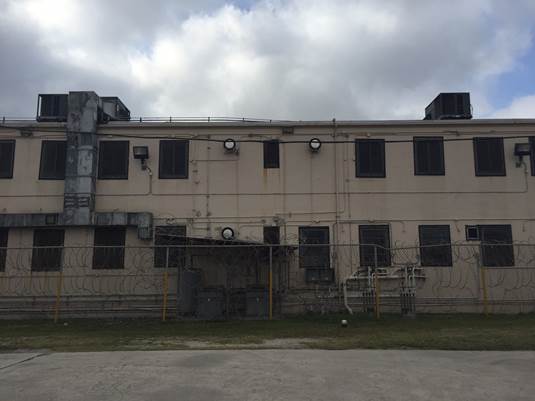
Miami-Dade Training and Treatment Center
County Jail | Miami-Dade County — Florida | MDTTC | Miami-Dade County
Miami-Dade Training and Treatment Center is a state correctional facility located at 6950 NW 41st Street in Miami, Florida. Operated by the Florida Department of Corrections, this institution houses male offenders across minimum and medium security classifications with a capacity of 1,265 inmates. Under the leadership of Captain C. Young, the facility serves Miami-Dade County and the broader South Florida region as part of the state's correctional system.
Families seeking information about inmates at Miami-Dade Training and Treatment Center can conduct inmate searches through the Florida Department of Corrections database. The facility provides resources for sending money to incarcerated loved ones, scheduling visitation, and accessing arrest records. Understanding facility policies and procedures helps families maintain meaningful connections with inmates during their incarceration period.
Miami-Dade Training and Treatment Center distinguishes itself within the Florida prison system through its dual emphasis on training and treatment programming. The facility's name reflects its institutional mission to provide both correctional training and therapeutic treatment services to its inmate population. Located in one of Florida's largest metropolitan areas, the center serves as a critical component of the state's correctional infrastructure in South Florida. Its position within Miami-Dade County, the most populous county in Florida, allows the facility to maintain connections between inmates and their local communities while providing comprehensive rehabilitative services designed to address the specific needs of its male inmate population across multiple security levels.
Miami-Dade Training and Treatment Center houses male inmates classified across minimum and medium security levels within the Florida Department of Corrections system. The inmate population includes individuals convicted of various offense types, from property crimes and drug-related offenses to more serious felonies that fall within the facility's security parameters. As a state correctional facility, Miami-Dade Training and Treatment Center primarily houses sentenced offenders serving their court-ordered terms rather than pre-trial detainees. The facility's treatment-focused mission suggests it may accommodate inmates with specific needs related to substance abuse, mental health challenges, or other conditions requiring specialized programming. Classification decisions determine housing assignments and program eligibility based on individual risk assessments, criminal history, and treatment needs.
Inmates at Miami-Dade Training and Treatment Center reside in housing units designed to accommodate the facility's 1,265-inmate capacity across minimum and medium security classifications. Housing arrangements vary by security level, with inmates assigned to dormitory-style or cell-based units depending on their classification status. The facility provides three daily meals prepared according to Florida Department of Corrections nutritional standards and accommodating religious and medical dietary requirements. Recreational opportunities include outdoor yard time, physical fitness activities, and indoor recreation spaces where security levels permit. Medical services address routine healthcare needs, chronic condition management, and emergency medical situations through on-site medical staff and coordination with external healthcare providers when necessary. Mental health services support inmates dealing with psychological challenges, trauma, or substance abuse issues. Inmates who wish to file complaints about conditions or treatment can utilize the Florida Department of Corrections grievance process, which provides a formal mechanism for addressing concerns through institutional and departmental channels.
Miami-Dade Training and Treatment Center offers educational programming that includes adult basic education and General Educational Development preparation for inmates seeking to earn their high school equivalency credentials. Vocational training opportunities provide job skills instruction in various trades to enhance post-release employment prospects. The facility's treatment emphasis is reflected in substance abuse programming designed to address addiction issues that may have contributed to criminal behavior. Mental health treatment services support inmates dealing with psychological conditions requiring therapeutic intervention. Religious programming accommodates diverse faith traditions through chaplaincy services, worship gatherings, and faith-based counseling. Re-entry preparation programs help inmates develop transition plans for successful community reintegration, addressing housing, employment, family reconnection, and ongoing support needs. Program availability and individual eligibility depend on factors including security classification, sentence length, and assessment-determined needs.
Inmates at Miami-Dade Training and Treatment Center participate in various work assignments that support facility operations and provide vocational experience. Inside work assignments include food service operations, facility maintenance, laundry services, grounds keeping, and janitorial duties that maintain the institution's daily functioning. These positions teach work discipline, responsibility, and transferable job skills. Depending on security classification and behavior records, eligible inmates may qualify for outside work assignments or participation in prison industry programs. Work assignments provide structure to daily routines while offering inmates opportunities to develop employment skills applicable to post-release job searches. Participation in work programs may also factor into institutional behavior assessments and sentence reduction considerations.
While the exact founding date of Miami-Dade Training and Treatment Center remains undocumented in available records, the facility has served as an integral part of Florida's correctional system in the state's most populous county. The institution's designation as both a training and treatment center reflects an evolving correctional philosophy that emphasizes rehabilitation alongside incarceration. Miami-Dade County's significant population and corresponding criminal justice needs have positioned this facility as an important resource for housing and programming male offenders from the South Florida region. Over its operational history, the facility has adapted to changing correctional standards, security requirements, and treatment approaches within the Florida Department of Corrections system. Today, Miami-Dade Training and Treatment Center continues its mission under the leadership of Captain C. Young, maintaining its capacity of 1,265 inmates while providing security, programming, and treatment services to its incarcerated population.
Visitation at Miami-Dade Training and Treatment Center allows families to maintain connections with incarcerated loved ones. Visitors must present valid government-issued photo identification and receive prior approval through the Florida Department of Corrections visitor application process. Dress code requirements prohibit revealing clothing, attire resembling inmate uniforms, and items that could pose security concerns. Visitors should avoid wearing clothing colors that match institutional uniforms. The facility maintains specific visitation schedules that vary based on inmate housing assignments and security classifications. Families should contact Miami-Dade Training and Treatment Center directly before planning visits to confirm current visitation days, hours, registration procedures, and any temporary policy changes. Understanding and following all visitation rules ensures smooth processing and maximizes quality time with inmates during approved visiting periods.
Families can contact inmates at Miami-Dade Training and Treatment Center through approved correspondence channels. All mail should include the inmate's full name, Department of Corrections identification number, and the facility address: 6950 NW 41st Street, Miami, Florida 33166. Letters must follow Florida Department of Corrections mail policies regarding acceptable content and enclosures. Books and publications typically must come directly from approved vendors rather than personal senders. Inmates can place telephone calls to pre-approved numbers through the facility's contracted telephone system, which requires families to establish prepaid accounts. Some Florida correctional facilities offer electronic messaging services that allow families to communicate with inmates through approved email platforms. Families should verify current communication options and procedures directly with the facility to ensure compliance with institutional policies.
Sponsored and Powered by our Partner TruthFinder
Quick Facts
Should I Be Concerned? — Family Guide
Miami-Dade Training and Treatment Center's minimum to medium security classification and zero staff assaults on record indicate a relatively stable facility environment. The emphasis on training and treatment suggests inmates receive structured programming rather than solely punitive incarceration. When visiting, expect standard security protocols including identification verification and bag checks; contact the facility ahead to confirm current visiting schedules and any restrictions.
Neighborhood & Getting There
Located in northwest Miami at 6950 NW 41st Street, the facility sits in the Allapattah area, approximately 8 miles west of downtown Miami. The region offers highway access via NW 36th Street and is roughly 20-30 minutes from Miami International Airport. Nearby hotel options and dining are available along major corridors. The area is urban with mixed commercial and residential zones typical of greater Miami.