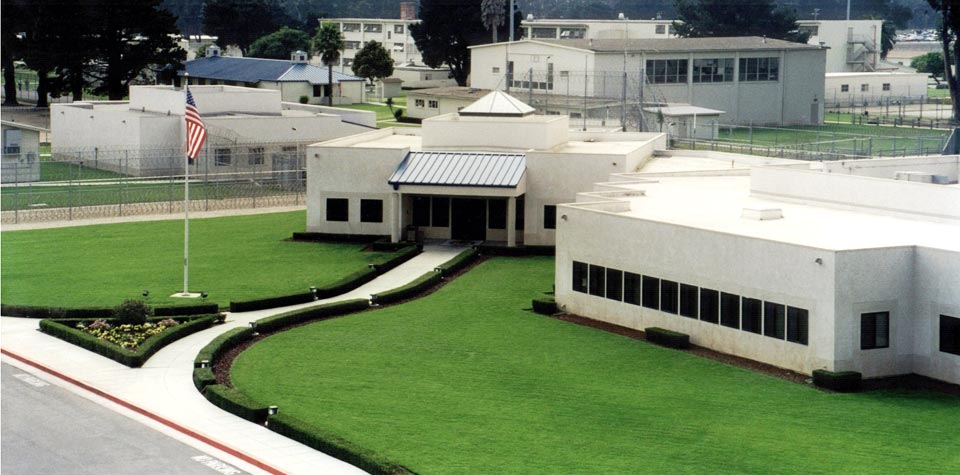
Federal Correctional Institution, Lompoc
Federal Prison | Santa Barbara County — California | FCI Lompoc
Federal Correctional Institution, Lompoc is a minimum-security federal prison located at 3600 Guard Road in Lompoc, Santa Barbara County, California. Established in 1963, the facility operates under the California Department of Corrections and currently houses 1,239 male inmates under the direction of Warden Richard Ives. As a minimum-security institution, FCI Lompoc primarily accommodates non-violent offenders with lower security classification levels, focusing on rehabilitation and successful community reintegration.
Families seeking information about inmates at FCI Lompoc can utilize inmate search tools to locate their loved ones and access arrest records. The facility provides various services for families, including visitation programs, options to send money to inmates, and communication systems. Understanding facility procedures helps families maintain meaningful connections during incarceration and support successful transitions.
Federal Correctional Institution, Lompoc holds a unique position within the California corrections system as a minimum-security facility that has historically housed white-collar criminals and individuals convicted of financial crimes. The institution has gained particular recognition for incarcerating defendants involved in major fraud schemes, Ponzi operations, and espionage cases. Unlike many federal facilities that focus on violent offenders, FCI Lompoc specializes in managing inmates who typically pose minimal physical security risks but have been convicted of crimes involving significant financial harm to victims. This specialization has shaped the facility's programs, security protocols, and rehabilitative approaches to address the specific criminogenic needs of this population.
FCI Lompoc's inmate population of 1,239 males consists primarily of sentenced federal offenders serving time for non-violent crimes. The facility has become known for housing individuals convicted of financial crimes, including fraud, embezzlement, money laundering, and investment scheme violations. White-collar criminals, former business executives, professionals, and individuals convicted of economic offenses make up a substantial portion of the population. The minimum-security classification means inmates have demonstrated lower risk profiles and shorter remaining sentences. While the facility predominantly houses non-violent offenders, some inmates have been convicted of serious crimes such as espionage and conspiracy charges. The population includes individuals from diverse professional backgrounds who require specialized rehabilitative programming focused on financial responsibility, ethical decision-making, and community reintegration.
Inmates at FCI Lompoc reside in dormitory-style housing units typical of minimum-security federal facilities, with open bay sleeping arrangements rather than individual cells. This less restrictive environment reflects the lower security classification of the population. Inmates receive three meals daily in communal dining facilities, with menus designed to meet basic nutritional requirements and accommodate religious dietary restrictions. Recreation opportunities include outdoor exercise areas, sports facilities, and leisure activities that promote physical health and social interaction. Medical services provide routine healthcare, chronic disease management, and sick call procedures, while mental health staff offer counseling and psychiatric services for inmates with psychological needs. The facility operates a formal grievance process that allows inmates to address concerns about conditions, treatment, or institutional policies through established administrative channels. The minimum-security environment emphasizes personal responsibility and prepares inmates for eventual release through structured daily routines and limited restrictions.
FCI Lompoc offers comprehensive programming designed to address the rehabilitative needs of its inmate population. Educational opportunities include GED preparation and completion for inmates lacking high school credentials, as well as continuing education courses that support personal development. Vocational training programs provide practical skills in various trades to improve employment prospects upon release. Given the population demographics, the facility emphasizes financial literacy, business ethics, and victim awareness programming. Substance abuse treatment programs address addiction issues through evidence-based curricula and peer support groups. Religious services accommodate multiple faith traditions with chaplaincy support and volunteer clergy participation. Re-entry programming focuses heavily on transition planning, including job readiness training, community resource connection, and release preparation to reduce recidivism and support successful reintegration into society.
Work assignments at FCI Lompoc provide inmates with structured daily activities and opportunities to develop employment skills. Inside facility jobs include food service positions in the kitchen and dining hall, maintenance duties for grounds and buildings, janitorial assignments, and administrative support roles in various institutional departments. Inmates may work in the commissary, recreation department, or education facilities. Some assignments involve library services, warehouse operations, or facility improvement projects. These work programs serve dual purposes of maintaining institutional operations while teaching responsibility, workplace behavior, and practical skills that translate to post-release employment. Inmates typically earn modest wages credited to their accounts, which can be used for commissary purchases or saved for release.
Federal Correctional Institution, Lompoc was established in 1963 as part of the federal prison system's expansion to meet growing incarceration needs in the western United States. The facility was strategically located in Lompoc, California, an area that would eventually become home to multiple federal correctional facilities forming a significant Bureau of Prisons complex. Over its six-decade history, FCI Lompoc has evolved to specialize in housing minimum-security inmates, particularly those convicted of white-collar and financial crimes. The institution has gained national attention for incarcerating high-profile defendants involved in major fraud cases and espionage operations. Throughout various administrative changes and correctional philosophy shifts, the facility has maintained its role as a minimum-security institution focused on rehabilitation and community reintegration. Under current leadership of Warden Richard Ives, FCI Lompoc continues serving as an important component of the federal corrections system in California.
Lompoc FCI primarily houses non-violent offenders, but some of the inmates at the facility are well-known for causing significant destruction. Henry Jones, a former record company executive, is serving a 20-year sentence at FCI Lompoc for his role in running a Ponzi scheme that defrauded over 500 investors of a total of $32 million. Former IRS agent Steven Martinez is at FCI Lompoc for charges related to fraudulent tax preparation scheme, including murder-for-hire charges when he sought to have former clients killed so that they would be unable to testify against him. Reed Slatkin, founder of Earthlink served time there for money laundering and fraud due to his involvement in a Ponzi scheme. Charles Martin masterminded a Ponzi scheme with over 1,000 victims and a combined $17 million in losses. Spies Christopher Boyce and Andrew Lee served time at Lompoc FCI after selling classified information about U.S. ciphers and spy satellites to the Soviet Union.
Visitation at FCI Lompoc allows families to maintain personal connections with incarcerated loved ones through scheduled visits. All visitors must complete an approved visitor list application and undergo background screening before being authorized for visits. Valid government-issued photo identification is required for all adult visitors upon arrival. The facility enforces a strict dress code prohibiting revealing clothing, certain colors, and items that resemble inmate uniforms. Visitors should avoid bringing prohibited items, as lockers may not be available. Visitation scheduling follows specific days and hours depending on housing unit assignments. Families should contact the facility directly before traveling to confirm current visitation procedures, COVID-related modifications, holidays closures, and any special requirements to avoid disappointment or wasted trips.
Families can contact inmates at FCI Lompoc through several approved methods. Mail should be addressed with the inmate's full legal name, eight-digit register number, facility name, and address: 3600 Guard Road, Lompoc, CA 93436. All incoming mail is inspected for security purposes, and prohibited items will be rejected. Books, magazines, and educational materials must be sent directly from approved vendors or publishers rather than individuals. Inmates have access to telephone accounts allowing them to make outgoing calls to pre-approved numbers at the recipient's expense. Families should check with the facility regarding available electronic communication options, as some federal institutions offer email systems or messaging services through approved vendors for maintaining contact.
Sponsored and Powered by our Partner TruthFinder
Quick Facts
Should I Be Concerned? — Family Guide
FCI Lompoc maintains a strong safety record with zero staff assaults, reflecting its minimum security classification and lower-risk inmate population. Visitors can expect a secure but accessible facility environment. We recommend reviewing current visiting policies with the facility before your trip and arriving early to complete security screening.
Neighborhood & Getting There
FCI Lompoc is located in Lompoc, Santa Barbara County, in California's scenic Central Coast region, approximately 150 miles northwest of Los Angeles and 80 miles south of San Francisco. The facility sits in a rural area with Highway 1 nearby providing easy access. Hotels and services are available in downtown Lompoc, about 15 minutes away, with additional amenities in Santa Maria approximately 30 minutes south.