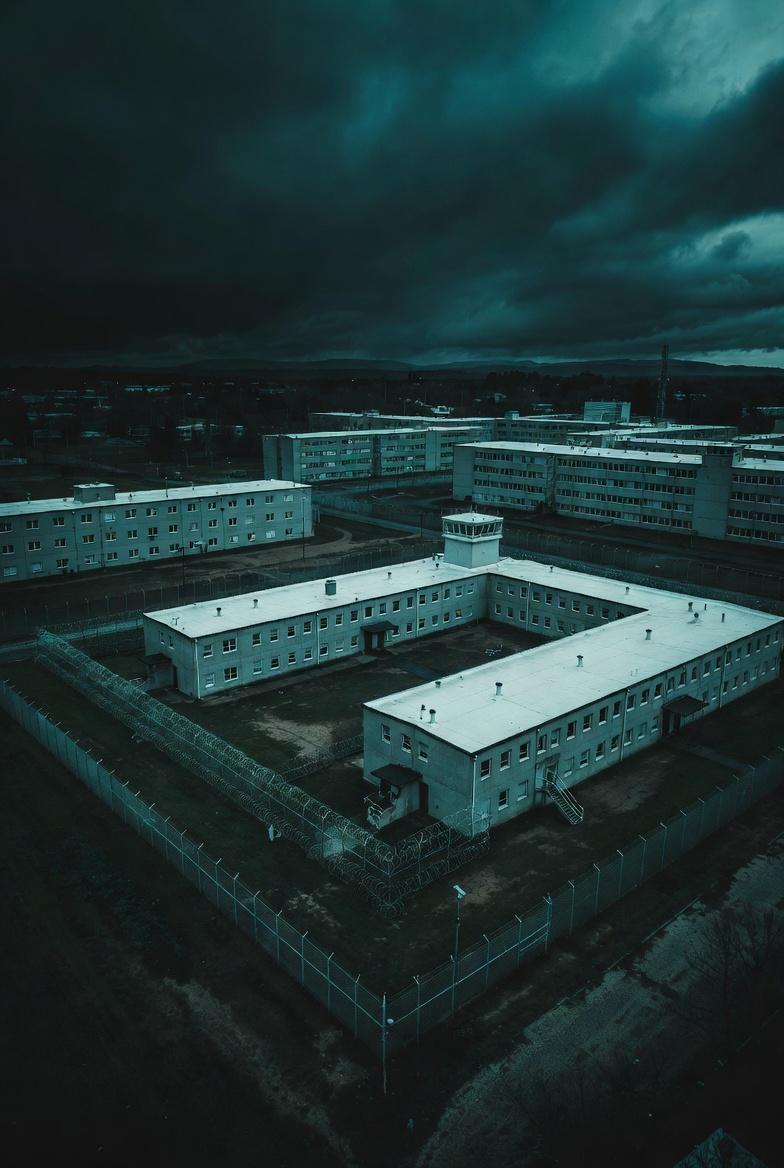
Correctional Training Facility
Federal Prison | Monterey County — California
Correctional Training Facility, commonly known as CTF Soledad, is a medium-security state prison in Soledad, California, operated by the California Department of Corrections and Rehabilitation. Located in Monterey County in the Salinas Valley, this facility houses adult male offenders. The prison is one of several correctional institutions in the Soledad area, forming part of California's extensive prison system designed to manage inmates with varying security needs.
Families seeking information about inmates at Correctional Training Facility can use online inmate search tools to locate their loved ones. Services available to families include sending money to inmate accounts, scheduling visitation, reviewing arrest records, and understanding facility-specific rules. Understanding these processes helps families maintain important connections during incarceration.
Correctional Training Facility is part of the Soledad Correctional Complex, which has earned the area the designation as California's largest concentration of correctional facilities. The medium-security classification at CTF allows for a balance between security protocols and rehabilitative programming. The facility's location in the agricultural Salinas Valley provides opportunities for work programs that differ from urban prisons. CTF Soledad operates as a reception center for certain regions of California, processing newly sentenced inmates before their classification and transfer to permanent housing facilities throughout the state system.
Correctional Training Facility houses adult male inmates classified as medium-security offenders. The population includes individuals convicted of various felony offenses, ranging from property crimes to violent offenses that do not require maximum-security housing. As a reception center function is performed at this facility, some inmates are in transitional status awaiting classification and permanent assignment. The inmate population includes individuals serving determinate sentences as well as those serving indeterminate life sentences who have progressed to medium-security status. CTF also houses general population inmates with varying custody levels who require the security measures and programming available at medium-security institutions within the California correctional system.
Inmates at Correctional Training Facility are housed in a variety of housing units designed for medium-security custody. Housing arrangements include dormitory-style settings and more traditional cellblocks, depending on classification and behavior. Inmates receive three meals daily prepared in accordance with California Department of Corrections nutritional standards, with accommodations for medical diets and religious dietary restrictions. Recreation opportunities include access to outdoor yards during designated times, with facilities for basketball, handball, and other physical activities. Medical services are provided through on-site health care staff, addressing routine and emergency medical needs. Mental health services are available for inmates requiring psychological support or treatment. The facility operates an inmate grievance process allowing prisoners to formally address concerns about conditions, treatment, or facility operations. Disciplinary procedures follow CDCR regulations, with infractions addressed through progressive sanctions.
Correctional Training Facility offers educational programs including basic literacy, GED preparation, and adult basic education for inmates seeking to improve their academic skills. Vocational training programs provide practical skills that support successful reentry into the community upon release. Substance abuse treatment programs address addiction issues through counseling and therapeutic communities, recognizing the role of substance abuse in criminal behavior. Religious services and spiritual programming are available for inmates of various faith traditions, with chaplains and volunteer religious organizations providing support. Cognitive behavioral therapy and other evidence-based programs help inmates develop decision-making skills and address criminal thinking patterns. Reentry planning services connect inmates approaching release with community resources, housing assistance, and employment support to reduce recidivism.
Inmates at Correctional Training Facility participate in various work assignments that support facility operations and provide job skills. Inside work assignments include kitchen duties, janitorial services, laundry operations, and maintenance tasks that keep the institution functioning. Some inmates work in administrative support roles or facility improvement projects. California Prison Industry Authority programs may operate at the facility, offering inmates opportunities to develop marketable skills through structured work environments. Work assignments provide inmates with responsibility, structure, and often modest wages that can be used for commissary purchases or saved for release.
Correctional Training Facility was established as part of California's expansion of its correctional system to accommodate the state's growing inmate population. The Soledad area became home to multiple correctional institutions due to available land and the state's need for geographically distributed facilities. Over the decades, CTF has evolved in its mission and operations, adapting to changes in sentencing laws, correctional philosophy, and population management needs. The facility has experienced various incidents common to medium-security prisons, including disturbances and security challenges that have shaped operational procedures. Today, CTF continues to serve as an important component of California's correctional infrastructure, housing medium-security inmates and supporting the state's efforts to balance public safety, custody, and rehabilitation programming.
Visitation at Correctional Training Facility requires advance approval through the California Department of Corrections visitation application process. Visitors must be on the inmate's approved visiting list and present valid government-issued photo identification upon arrival. The facility enforces a dress code that prohibits clothing resembling inmate attire, revealing or provocative clothing, and specific colors or styles that may present security concerns. Visitors should review the complete dress code before traveling to the facility. Visitation schedules vary by housing unit and inmate classification, with specific days and times assigned. Families should contact the facility directly before planning a visit to confirm current visitation procedures, hours, and any temporary restrictions or policy changes.
To send mail to an inmate at Correctional Training Facility, address correspondence with the inmate's full name, CDCR number, facility name, and the Soledad, CA 93960 address. All incoming mail is inspected according to CDCR regulations. Inmates can receive books and publications only when shipped directly from approved vendors or publishers. Inmates have access to telephones to make collect calls or prepaid calls through approved telephone service providers that families can set up accounts with in advance. Some inmates may have access to email services through approved electronic messaging systems contracted by CDCR, though availability varies by housing unit and security classification.
Sponsored and Powered by our Partner TruthFinder
Quick Facts
Should I Be Concerned? — Family Guide
Correctional Training Facility operates as a medium-security institution with zero reported staff assaults, indicating a relatively stable security environment. The facility emphasizes rehabilitation through training programs rather than high-security operations. When visiting, follow all facility guidelines, arrive during designated visiting hours, and plan transportation in advance as Soledad is a rural location.
Neighborhood & Getting There
Soledad is located in Monterey County in central California, approximately 100 miles south of San Francisco and 30 miles south of Monterey. The area is rural and agricultural, with limited immediate commercial services. Nearest hotels and services are in Salinas (20 miles north) or Monterey (40 miles west). Highway 101 provides primary vehicle access. Allow 2-3 hours driving time from major Bay Area cities.