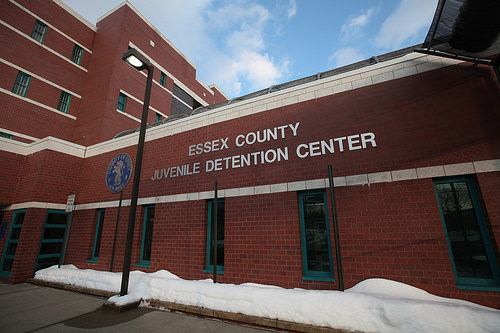
Essex County NJ Juvenile Detention Center
County Jail | Essex County County — New Jersey | Essex County New Jersey Department of Citizen Services
Essex County NJ Juvenile Detention Center is located at 80 Duryea Street in Newark, Essex County, New Jersey. Operated under the New Jersey Department of Corrections system, this minimum security facility houses both male and female juveniles. The center is administered by Lee B. Fisher and serves as a detention facility for youth awaiting court proceedings or serving short-term commitments in Essex County.
Families seeking information about juveniles detained at this facility can conduct inmate searches through proper channels, arrange visitation, and send financial support. Because this facility houses minors, access to arrest records and juvenile information is restricted under New Jersey law to protect the privacy of youth offenders and their rehabilitation prospects.
Essex County NJ Juvenile Detention Center stands apart as one of the county-level juvenile facilities in New Jersey's densely populated northeastern corridor. Located in Newark, New Jersey's largest city, the facility serves the state's most populous county and addresses the unique challenges of urban youth detention. The center's minimum security classification reflects its focus on rehabilitation and temporary detention rather than long-term incarceration. Operating under county jurisdiction while coordinating with the New Jersey Department of Corrections, the facility balances public safety with juvenile justice reform principles increasingly emphasized throughout New Jersey's youth detention system.
The facility houses juveniles of both genders who are typically awaiting court hearings, adjudication, or serving short-term commitments following family court proceedings. The population includes youth charged with various offenses ranging from status offenses and misdemeanors to more serious felony charges. Many residents are pre-trial detainees held temporarily until their cases are resolved or alternative placements are secured. Essex County serves a diverse urban population, and the facility reflects Newark's demographic composition. Special attention is given to identifying youth with mental health needs, substance abuse issues, educational deficits, and trauma histories. The center must accommodate different age groups while maintaining separation based on gender, offense severity, and vulnerability factors under New Jersey juvenile detention standards.
Youth at Essex County NJ Juvenile Detention Center are housed in secure dormitory-style units or individual rooms depending on classification and behavior. The facility provides three meals daily designed to meet nutritional standards for growing adolescents, with accommodations for dietary restrictions and religious requirements. Recreation includes both indoor and outdoor activities when weather permits, with structured programming to keep residents engaged throughout the day. Medical services address routine healthcare needs, medication management, and emergency treatment, while mental health professionals provide counseling and crisis intervention services common in juvenile populations. Educational services continue during detention to minimize academic disruption. The grievance process allows youth to report concerns about their treatment, conditions, or services, with protections against retaliation. Because the facility houses minors, additional safeguards exist regarding supervision ratios, isolation practices, and contact with adult offenders, reflecting New Jersey's commitment to age-appropriate juvenile detention standards.
Educational programming is central to operations at Essex County NJ Juvenile Detention Center, with on-site classroom instruction ensuring residents continue their studies during detention. Teachers provide individualized attention to address varied academic levels and learning disabilities common among detained youth. The facility offers counseling programs addressing anger management, conflict resolution, and decision-making skills. Substance abuse education helps youth understand addiction and make healthier choices upon release. Religious services and spiritual counseling are available for various faith traditions. Life skills training covers topics relevant to successful community reintegration. Re-entry planning begins upon admission, connecting youth and families with community resources, educational opportunities, and support services. These programs aim to reduce recidivism by addressing underlying issues contributing to delinquent behavior while detention provides a structured environment for intervention.
Given the facility's juvenile population and focus on rehabilitation rather than labor, work assignments differ significantly from adult correctional institutions. Youth may participate in facility maintenance tasks such as cleaning common areas, assisting with meal service, or maintaining recreational spaces under close supervision. These assignments teach responsibility and work ethic rather than generating revenue. Participation is typically voluntary or incorporated into behavioral incentive programs. Educational activities and therapeutic programming take priority over work assignments in daily schedules. Any work performed emphasizes skill development and positive habit formation rather than production output, reflecting juvenile justice standards that prioritize education and treatment over institutional labor for minors.
While the exact founding date of Essex County NJ Juvenile Detention Center is not documented in available records, the facility has operated for decades as part of Essex County's juvenile justice system. The center evolved alongside changing philosophies regarding youth incarceration, shifting from purely punitive approaches toward rehabilitation-focused models. New Jersey has undertaken significant juvenile justice reforms in recent decades, reducing reliance on detention and emphasizing community-based alternatives. These reforms influenced operations at county facilities like Essex County's center. The facility at 80 Duryea Street in Newark has served generations of Essex County youth, adapting to legal changes including Supreme Court decisions recognizing developmental differences between juveniles and adults. Today, the center functions within a broader system emphasizing diversion programs, family engagement, and evidence-based practices while maintaining secure detention capacity for youth requiring separation from the community during court proceedings.
Visitation at Essex County NJ Juvenile Detention Center allows families to maintain crucial connections with detained youth. Visitors must bring valid government-issued photo identification and typically must be approved in advance. The dress code prohibits revealing clothing, gang-related attire, and items resembling facility uniforms. Because the facility houses minors, visitation policies may differ from adult facilities, often encouraging more frequent family contact as developmentally beneficial. Scheduling procedures and visiting hours vary, so families should contact the facility directly before traveling to confirm current policies. Visitors should expect security screening including metal detectors. Special accommodations may exist for parents, legal guardians, and siblings. Contact the facility at the mailing address to verify visiting procedures, approval requirements, and current schedules before planning your visit.
To send mail to a juvenile at Essex County NJ Juvenile Detention Center, address correspondence with the youth's full legal name and identification number to 80 Duryea Street, Newark, NJ 07103. All incoming mail undergoes inspection for contraband and prohibited materials. Because residents are minors, restrictions on correspondence may differ from adult facilities, with particular scrutiny for inappropriate content. Books and reading materials typically must come directly from approved vendors or publishers. Phone privileges allow youth to maintain family contact, with accounts established according to facility procedures. Due to privacy protections for juveniles, electronic communication options are limited compared to adult facilities. families should verify current mail policies and communication options directly with the facility, as procedures for juvenile detention centers often include additional safeguards.
Sponsored and Powered by our Partner TruthFinder
Quick Facts
Should I Be Concerned? — Family Guide
Essex County NJ Juvenile Detention Center operates at minimum security with zero reported staff assaults, indicating a relatively safe environment. As a juvenile facility, it emphasizes rehabilitation over punitive measures. When visiting, follow all security protocols, arrive early for processing, and maintain appropriate communication with facility staff to ensure a safe visitation experience.
Neighborhood & Getting There
Located in Newark, Essex County's largest city in northern New Jersey, the detention center sits on Duryea Street in an urban setting. Newark is approximately 10 miles west of Manhattan and accessible via multiple highways including I-78 and the New Jersey Turnpike. The area offers chain hotels and dining options near major routes. Newark Penn Station provides regional transit connections. Visitors should allow 20-40 minutes driving time from most Essex County locations.