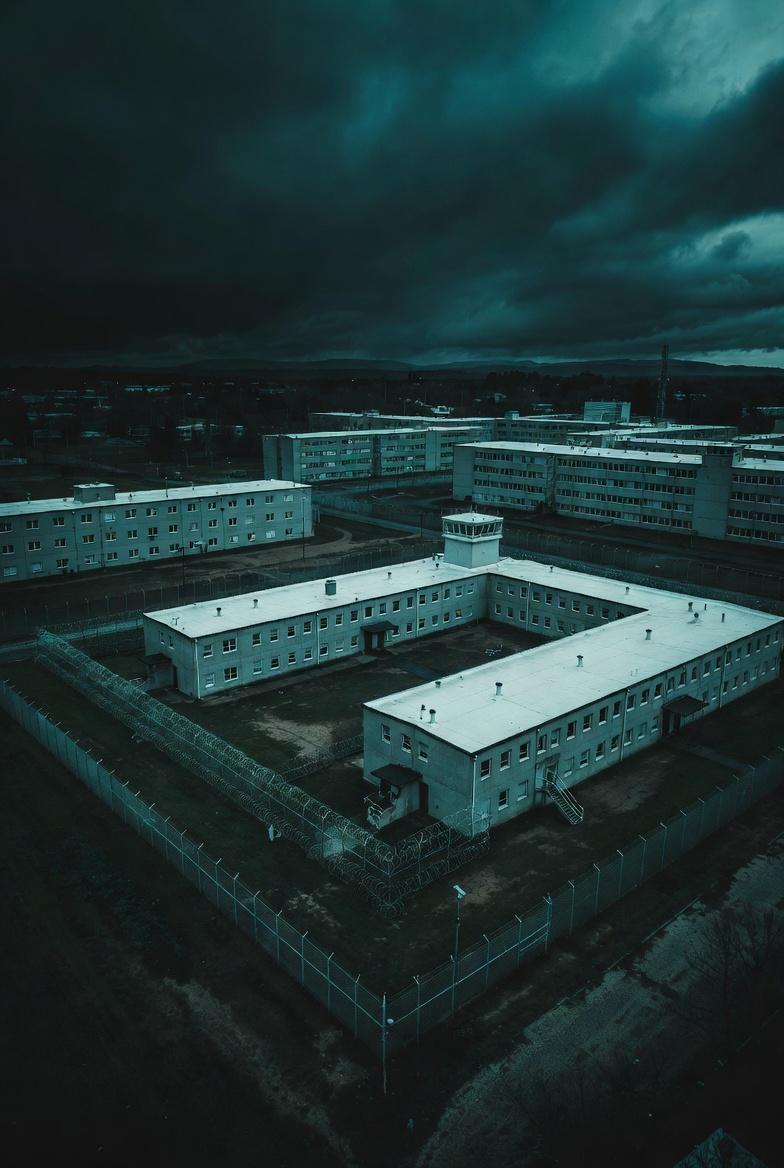
Easton Police Detention is a medium-security correctional facility located at 106 West Dover Street in Easton, the county seat of Talbot County, Maryland. This facility operates under the Maryland Department of Corrections system and houses male inmates. The detention center serves the Eastern Shore region, providing temporary holding and processing for individuals arrested by local law enforcement agencies in Talbot County and surrounding areas.
Families seeking information about loved ones at Easton Police Detention can perform inmate searches through Maryland's correctional database, access arrest records through Talbot County court systems, arrange visits according to facility guidelines, and send money to inmates for commissary needs. Understanding facility procedures helps families maintain crucial connections during incarceration.
Easton Police Detention serves as a critical intake and short-term holding facility for Maryland's Eastern Shore, a geographically distinct region separated from the rest of the state by the Chesapeake Bay. The facility's location in Easton, a historic town founded in 1710, positions it as the primary detention center for Talbot County's law enforcement operations. Unlike larger regional jails, this police detention center primarily handles initial processing, booking, and temporary housing for arrestees awaiting court appearances or transfer to long-term facilities. Its integration with the Easton Police Department allows for streamlined processing of local arrests and efficient coordination between law enforcement and corrections staff.
Easton Police Detention primarily houses pre-trial detainees awaiting arraignment, bail hearings, or court proceedings in Talbot County Circuit and District Courts. The facility processes individuals arrested for various offenses ranging from misdemeanors to felonies, including traffic violations, drug-related charges, property crimes, and violent offenses. As a police detention center rather than a long-term correctional institution, the population typically consists of short-term detainees held for hours to several days. Some inmates may be held longer while awaiting transfer to larger county detention centers or state prisons. The facility occasionally houses individuals with outstanding warrants from other jurisdictions until extradition can be arranged. Classification focuses on separating violent offenders from non-violent detainees and ensuring appropriate supervision levels during temporary detention.
Easton Police Detention maintains secure holding cells designed for temporary detention rather than long-term incarceration. Housing areas consist of individual cells and group holding areas with basic furnishings including benches or bunks, toilets, and sinks. Meals are provided at regular intervals, typically coordinated with the Talbot County Detention Center or through approved food service contractors, ensuring detainees receive constitutionally required nutrition during their stay. Due to the short-term nature of detention, recreation opportunities are limited, though detainees may receive brief periods outside cells depending on facility capacity and staffing levels. Basic medical screening occurs during intake to identify immediate health concerns, injuries, or medication needs. Mental health crises are addressed through coordination with local emergency services and mental health professionals. Detainees with grievances can request to speak with supervising officers or facility administrators. The facility maintains temperature control, adequate lighting, and sanitation standards consistent with Maryland detention regulations for temporary holding environments.
As a short-term police detention facility, Easton Police Detention does not offer extensive programming typically found in long-term correctional institutions. The facility's primary function centers on secure custody during booking, processing, and brief pre-trial detention periods. Detainees held for extended periods may receive informational materials about addiction services, legal aid resources, and community support programs available upon release. Religious materials such as reading materials may be available upon request. Substance abuse assessments may be conducted during intake to identify individuals requiring medical intervention for withdrawal symptoms or immediate treatment needs. The facility coordinates with Talbot County social services and re-entry organizations to provide referrals for individuals facing release. Educational programs and vocational training are not applicable given the temporary nature of detention, with long-term inmates transferred to facilities equipped for extended programming and rehabilitation services.
Easton Police Detention does not operate work programs or prison industries due to its function as a temporary holding facility. The brief detention periods, typically ranging from hours to a few days, do not accommodate formal work assignments or labor programs. Detainees are responsible for maintaining cleanliness in their immediate holding areas, though professional custodial staff handle facility maintenance and sanitation. Unlike long-term correctional facilities where inmates perform kitchen duties, laundry services, or groundskeeping, this police detention center relies on civilian employees and contracted services for operational needs. Individuals requiring longer-term incarceration with potential work opportunities are transferred to appropriate county or state facilities offering such programs.
Easton Police Detention has operated as part of the Easton Police Department's law enforcement infrastructure, serving Talbot County's detention needs for decades. The facility's location at 106 West Dover Street places it within Easton's municipal center, allowing direct coordination between police operations and detention services. While specific construction dates are not documented in available records, the detention center has evolved alongside Easton's law enforcement capabilities to meet modern booking and temporary custody requirements. Talbot County, established in 1662 and named after Lady Grace Talbot, has maintained various detention facilities throughout its history as settlement patterns and populations shifted across Maryland's Eastern Shore. Today, Easton Police Detention continues serving as the initial point of custody for arrestees in the county seat, processing individuals before transfer to long-term facilities or release following bail proceedings.
Visitation at Easton Police Detention is extremely limited due to the facility's function as a temporary holding center. Most detainees are processed and either released on bail, transferred to other facilities, or transported to court appearances within a short timeframe, making traditional visiting schedules impractical. In cases where brief visits may be permitted, visitors must present valid government-issued photo identification such as a driver's license or passport. Appropriate attire is required, with restrictions on revealing or gang-related clothing. Families should understand that attorney visits receive priority over social visits in detention environments. Given the temporary nature of detention and varying circumstances for each arrestee, families are strongly encouraged to call the Easton Police Department ahead of time to inquire about specific visitation possibilities, detainee status, and anticipated transfer or release schedules.
Correspondence opportunities at Easton Police Detention are limited given the brief detention periods typical of police holding facilities. For detainees held longer than initial processing, mail should be addressed with the inmate's full legal name and the facility address at 106 West Dover Street, Easton, MD 21601. Due to security protocols, incoming mail may be inspected for contraband. Phone access is generally restricted to brief, supervised calls for contacting attorneys or family members regarding bail and legal matters. Detainees requiring commissary funds during their stay may have limited purchasing options compared to long-term facilities. Families should contact the facility directly to confirm current policies regarding inmate communications, as procedures may vary based on custody status and anticipated detention duration.
Sponsored and Powered by our Partner TruthFinder
Quick Facts
Should I Be Concerned? — Family Guide
Easton Police Detention maintains a medium security environment with a strong safety record, evidenced by zero staff assaults. The facility prioritizes secure operations while handling short-term detainees. Visitors should expect standard security protocols including identification checks and basic screening procedures. Plan ahead for visitation and contact the facility directly for current hours and any restrictions.
Neighborhood & Getting There
Easton, Maryland is located in Talbot County on the Eastern Shore, approximately 90 minutes east of Baltimore and 2.5 hours southeast of Washington, D.C. The facility sits in downtown Easton near the historic district. The area offers limited hotel options; visitors may find accommodations in nearby Easton or consider staying in larger Eastern Shore communities. Highway 50 provides primary access from western Maryland.