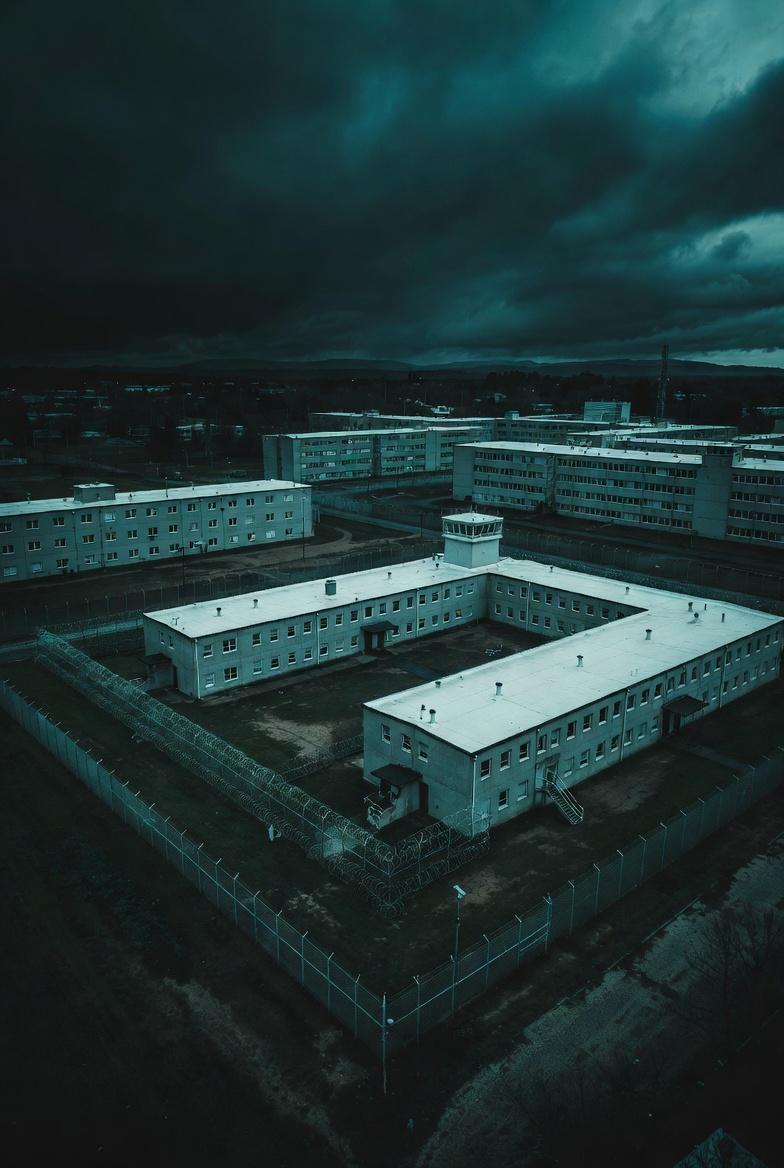
Backbone Mountain Youth Centers operates as a medium security facility under the Maryland Department of Corrections in Swanton, located in the mountainous western region of Maryland near the West Virginia border. This state-run institution serves male youth offenders requiring a structured correctional environment. The facility sits on Route 1 at 124 Camp 4 Road, positioned in a rural setting that provides separation from urban distractions while youth complete their sentences and participate in rehabilitative programming.
Families seeking information about youth housed at Backbone Mountain Youth Centers can access inmate search tools, learn about approved visitation procedures, arrange money transfers for commissary accounts, and understand mailing guidelines. Understanding arrest records and the facility's specific rules helps families maintain meaningful contact during incarceration and support successful reintegration into the community.
Backbone Mountain Youth Centers stands apart within Maryland's correctional system due to its remote mountain location in Garrett County's wilderness area, providing a geographically isolated environment for housing young male offenders. The facility's positioning in western Maryland's most rural region creates natural barriers that support security while offering youth a removed setting away from negative urban influences. This geographic isolation, combined with the facility's focus on younger populations requiring medium security supervision, distinguishes it from adult institutions and lower-security youth camps. The mountainous terrain and forested surroundings provide unique opportunities for outdoor work assignments and programs unavailable at urban correctional centers throughout the state.
Backbone Mountain Youth Centers houses male youth offenders who require medium security supervision within Maryland's correctional system. The population typically includes sentenced juveniles tried as adults or young adult offenders who have demonstrated behavioral issues requiring more structured environments than minimum security facilities provide. Offenders confined here may have committed property crimes, drug offenses, assaults, or other felonies warranting secure detention. The classification process considers criminal history, institutional behavior, age, and security needs when placing youth at this facility. Unlike adult prisons with diverse age ranges, this population consists of younger offenders requiring age-appropriate programming and supervision strategies tailored to developmental stages while maintaining adequate security protocols.
Youth at Backbone Mountain Youth Centers reside in housing units designed to balance security requirements with age-appropriate living environments. Dormitory or cell-based housing provides sleeping quarters with supervision appropriate for medium security classifications. Daily meal services provide nutrition meeting correctional standards, with dining occurring in designated areas under staff oversight. Recreational opportunities include outdoor activities taking advantage of the rural mountain setting, indoor recreation spaces, and structured physical fitness programs suited to younger populations. Medical services address routine healthcare needs, sick call appointments, and emergency treatment, while mental health professionals provide counseling and crisis intervention services recognizing the developmental challenges facing incarcerated youth. A formal grievance process allows residents to address concerns about conditions, staff interactions, or facility operations through documented channels, ensuring accountability and opportunities to resolve issues through administrative procedures rather than confrontation.
Educational programming forms the cornerstone of rehabilitation efforts at Backbone Mountain Youth Centers, with mandatory academic instruction for youth lacking high school diplomas and GED preparation courses. Vocational training opportunities teach marketable skills aligned with regional employment needs, preparing participants for post-release job placement. Substance abuse treatment programs address addiction issues common among juvenile offenders through counseling, education, and recovery support groups. Religious services accommodate various faith traditions through chaplaincy programs, worship opportunities, and spiritual counseling. Re-entry preparation programs help participants develop release plans, secure identification documents, connect with community resources, and transition successfully back to society. These coordinated programs recognize that younger offenders have greater rehabilitation potential when provided structured interventions addressing educational deficits, vocational skills gaps, and behavioral issues contributing to criminal activity.
Work assignments at Backbone Mountain Youth Centers provide youth with responsibility, work ethic development, and institutional maintenance contributions. Inside job assignments include kitchen duties, facility cleaning, laundry operations, groundskeeping, and maintenance support under staff supervision. The rural mountain location may offer outdoor work details involving land management, trail maintenance, or agricultural activities when weather permits. These assignments teach workplace skills including punctuality, following directions, teamwork, and task completion while reducing idleness. Work programs serve rehabilitative purposes by instilling discipline and providing structure, though information about specific prison industries or contracted production activities at this particular facility is not publicly documented.
Backbone Mountain Youth Centers was established in Maryland's western mountains to address the need for specialized housing and programming for male youth offenders requiring medium security supervision. The facility's development reflected correctional philosophy emphasizing separation of younger offenders from adult prison populations while maintaining adequate security for those unsuitable for minimum security placements. Located in Garrett County's remote wilderness near Swanton, the facility occupies former camp property adapted for correctional use, with the name reflecting the mountainous Backbone Mountain range characterizing this region. Over its operational history, the facility has served Maryland's evolving juvenile justice needs, housing youth requiring secure environments with rehabilitative programming emphasis. The center continues fulfilling its mission of providing age-appropriate confinement, education, and treatment services for young male offenders within the Maryland Department of Corrections system.
Visitation at Backbone Mountain Youth Centers provides crucial family contact supporting rehabilitation for incarcerated youth. Visitors must complete approval processes before scheduling visits, submitting required background information and awaiting clearance. All visitors must present valid government-issued photo identification upon arrival. Dress codes prohibit revealing clothing, items resembling inmate attire, and garments with offensive imagery, ensuring facility security and appropriate environment. Scheduling procedures may involve advance registration or specific visiting days assigned by housing unit. Families should anticipate security screening including metal detectors and possible searches before entering visitation areas. Given the facility's remote mountain location and specific youth population policies, families should contact Backbone Mountain Youth Centers directly before traveling to confirm current visitation schedules, approved visitor lists, and any special requirements or restrictions.
Families can contact youth at Backbone Mountain Youth Centers through approved mail, phone, and potentially electronic messaging systems. All postal mail should include the inmate's full legal name, Department of Corrections identification number, and complete facility address: Route 1, 124 Camp 4 Road, Swanton, MD 21562. Correspondence undergoes security screening before delivery, and prohibited items will be rejected. Books, magazines, and educational materials typically must arrive directly from approved vendors or publishers rather than individuals. Inmates can place outgoing calls to approved numbers through facility phone systems, with families responsible for establishing prepaid accounts with designated providers. Some Maryland facilities offer electronic messaging options through contracted services, though families should verify availability at this specific youth facility before purchasing services.
Sponsored and Powered by our Partner TruthFinder
Quick Facts
Should I Be Concerned? — Family Guide
Backbone Mountain Youth Centers maintains a medium-security classification with zero reported staff assaults, indicating a generally safe operational environment. As a youth-focused facility, it emphasizes rehabilitation over punishment. When visiting, expect standard security screening procedures and bring valid identification; contact the facility ahead to confirm current visitation policies and any restrictions that may apply.
Neighborhood & Getting There
Located in Swanton, Maryland, Backbone Mountain Youth Centers sits in Garrett County's rural western region, near the Appalachian highlands. The facility is approximately 2.5 hours from Baltimore and 3 hours from Washington, D.C. The remote location offers limited nearby services; visitors should plan accordingly. Nearest accommodations and supplies are in nearby towns. Route 1 provides highway access, though travel times are significant from major metros.