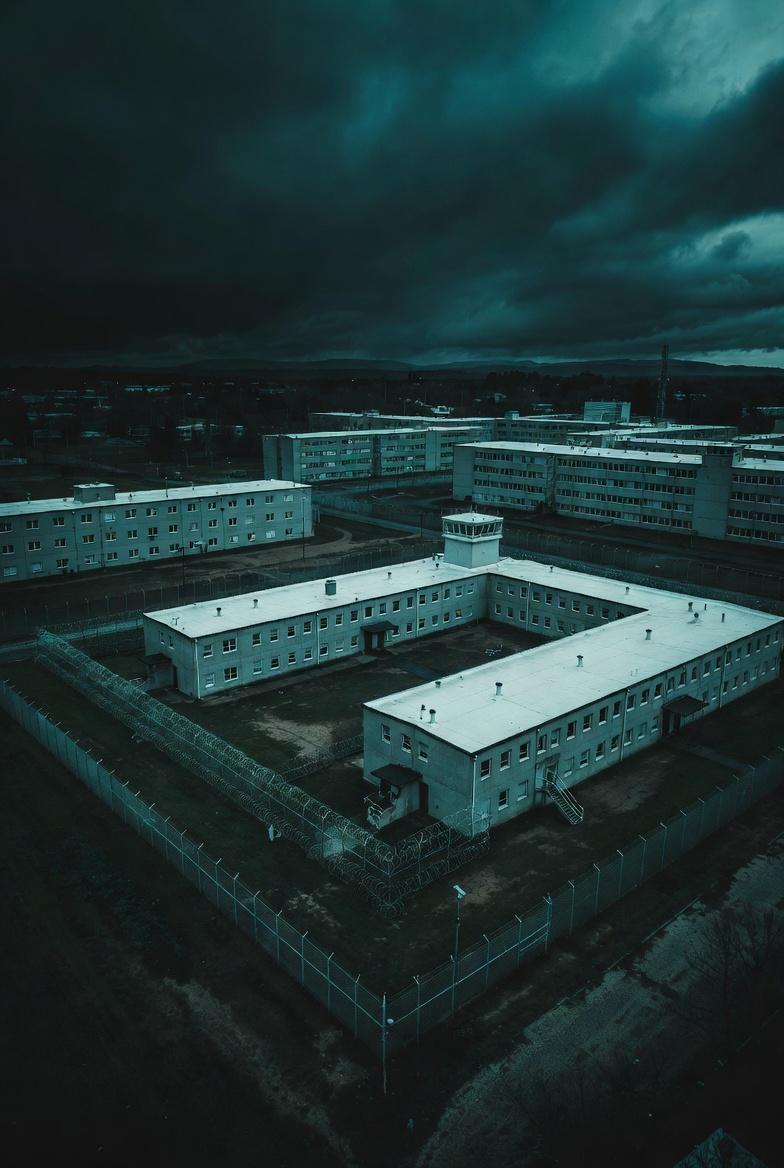
The Baltimore Juvenile Justice Center is located at 300 North Gay Street in Baltimore's Penn - Fallsway neighborhood, Maryland. Operated by the Maryland Department of Corrections, this medium-security facility houses male juvenile offenders. Situated in downtown Baltimore near the city's historic waterfront district, the center serves as a critical component of Maryland's juvenile justice system, providing secure detention for youth awaiting court proceedings or serving committed sentences.
Families seeking information about juveniles detained at Baltimore Juvenile Justice Center can search inmate records, arrange visitation, and send money for commissary accounts. Understanding the facility's mailing address and policies helps families maintain contact during difficult times. Arrest records and court proceedings for juveniles are typically handled differently than adult cases under Maryland law.
The Baltimore Juvenile Justice Center's downtown Baltimore location at 300 North Gay Street places it in close proximity to the city's courthouse complex, facilitating efficient transport for court appearances and legal proceedings. This urban setting distinguishes it from many juvenile facilities located in more remote areas. The center's focus exclusively on male juvenile offenders within the Maryland Department of Corrections system reflects specialized programming and security protocols designed specifically for adolescent populations. Its position within Baltimore City provides access to community-based organizations, educational resources, and family support services that may be less accessible at facilities in rural locations.
Baltimore Juvenile Justice Center houses male juveniles ranging from pre-trial detainees awaiting adjudication to committed youth serving sentences ordered by Maryland's juvenile courts. The population includes youth charged with offenses ranging from property crimes and drug violations to more serious violent offenses. Because juvenile justice emphasizes rehabilitation over punishment, the center classifies residents based on age, offense severity, behavioral history, and individual treatment needs. Special attention is given to vulnerable populations including first-time offenders, youth with mental health needs, and those requiring educational interventions. The facility serves Baltimore City and surrounding jurisdictions, reflecting the region's urban challenges. Population levels fluctuate based on arrest patterns, court processing times, and placement availability in alternative programs or community-based supervision.
Baltimore Juvenile Justice Center provides housing units designed for juvenile populations with age-appropriate supervision and security measures. Residents are assigned to dormitory-style or cell-based units based on classification levels and behavioral status. The facility provides three meals daily meeting nutritional standards for growing adolescents. Recreation opportunities include indoor and outdoor activities, though frequency and duration depend on security status and facility operations. Medical services address routine healthcare needs, sick call, prescription medications, and emergency care. Mental health professionals provide assessments, counseling, and crisis intervention services recognizing the prevalence of trauma and behavioral health issues among detained youth. Educational services continue during detention as Maryland law requires school-age juveniles receive instruction. The grievance process allows residents to formally address concerns about conditions, staff conduct, or facility policies through written requests reviewed by administration. Family contact through visits, phone calls, and mail remains important for maintaining connections during confinement.
The Baltimore Juvenile Justice Center offers educational programming to ensure detained youth continue their schooling during confinement, including classroom instruction aligned with Maryland curriculum standards and GED preparation for older residents. Counseling programs address anger management, conflict resolution, and decision-making skills essential for successful reintegration. Substance abuse education helps youth understand addiction and develop coping strategies for avoiding drugs and alcohol. Life skills training covers topics like employment readiness, financial literacy, and healthy relationships. Religious services and spiritual guidance are available for youth seeking faith-based support. Re-entry planning begins before release, connecting youth and families with community resources, continuing education opportunities, and probation requirements. Program participation depends on length of stay, individual treatment plans, and facility capacity.
Work assignments at Baltimore Juvenile Justice Center focus on facility maintenance and daily operations rather than traditional prison industries. Residents may participate in unit cleaning, kitchen assistance, laundry duties, and building maintenance under staff supervision. These assignments teach responsibility, work ethic, and basic vocational skills while contributing to facility operations. Participation in work details is typically voluntary and considered part of the overall treatment and rehabilitation approach. Unlike adult facilities, juvenile detention centers emphasize education and treatment over labor production. Work opportunities remain limited compared to adult corrections facilities, reflecting the developmental needs and legal protections afforded to minors in state custody.
The Baltimore Juvenile Justice Center emerged from Maryland's efforts to separate juvenile offenders from adult criminal populations, a reform movement gaining momentum throughout the twentieth century. Baltimore has maintained juvenile detention facilities in various locations over decades as the city's population and juvenile justice philosophy evolved. The current facility at 300 North Gay Street represents the state's commitment to centralized, secure detention for male youth in the Baltimore metropolitan area. Maryland's juvenile justice system has undergone numerous reforms addressing overcrowding, treatment standards, and alternatives to incarceration. The center has adapted to changing laws regarding juvenile transfers to adult court, length of confinement, and rehabilitation priorities. Today the facility continues serving as a secure detention option within Maryland's broader juvenile justice continuum, which increasingly emphasizes community-based interventions and diversion programs for lower-risk youth.
Visitation at Baltimore Juvenile Justice Center helps detained youth maintain family connections during confinement. Visitors must bring valid government-issued photo identification and complete any required approval processes before visiting. Dress code policies prohibit revealing clothing, gang-affiliated colors, and items that could pose security concerns. The facility maintains specific visitation schedules which may vary by housing unit or individual circumstances. Families should expect to pass through security screening including metal detectors. Physical contact may be limited depending on the resident's security status. Visitors should arrive early to allow time for processing. Because juvenile detention policies and schedules change, families should contact the facility directly before traveling to confirm current visitation hours, procedures, and any restrictions.
Mail sent to juveniles at Baltimore Juvenile Justice Center should include the resident's full legal name and any identification number provided by the facility, addressed to 300 North Gay Street, Baltimore, MD 21202. All incoming mail undergoes inspection for contraband and prohibited items. Correspondence should follow facility guidelines regarding content, length, and enclosures. Books and magazines typically must arrive directly from approved vendors or publishers. Phone privileges allow residents to maintain family contact through approved phone accounts that families fund. Calls are monitored and time-limited. Some facilities offer electronic messaging systems, though availability varies. Families should verify current communication policies including approved vendors and any restrictions on content or frequency.
Sponsored and Powered by our Partner TruthFinder
Quick Facts
Should I Be Concerned? — Family Guide
Baltimore Juvenile Justice Center operates as a medium-security juvenile detention facility with zero reported staff assaults, indicating a relatively stable environment. As a facility dedicated to youth offenders, it maintains structured programming and supervision. Families should expect standard security procedures during visits, including ID requirements and possible screening. Call ahead to confirm current visiting schedules and any facility-specific restrictions before traveling.
Neighborhood & Getting There
Located in downtown Baltimore at Penn-Fallsway in Maryland County, the facility sits in the heart of the city's Inner Harbor district. Major highways including I-83 and I-395 provide access within 15-30 minutes from surrounding counties. Baltimore-Washington International Airport is approximately 40 minutes away. The downtown area offers hotels, restaurants, and public transportation options. Visitors should plan for urban parking and allow extra time for facility security procedures.