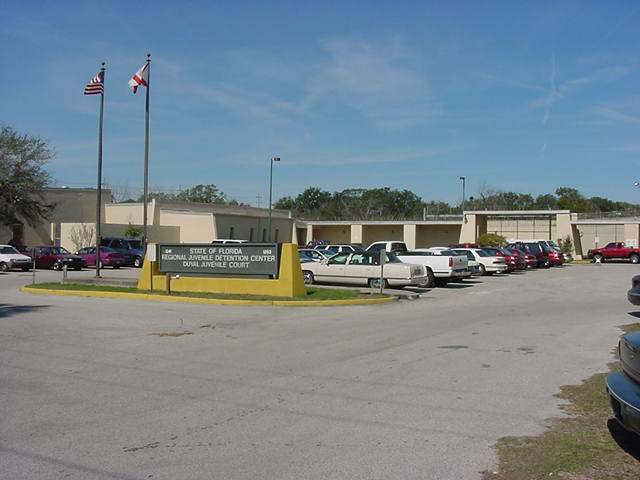
Duval Regional Juvenile Detention Center
State Prison | Duval County — Florida | DRJDC | Florida Department of Juvenile Justice
Duval Regional Juvenile Detention Center is a medium-security juvenile facility located at 1241 E 8th Street in Jacksonville, Florida. Operated under the Florida Department of Corrections system, this facility houses male juveniles and has a capacity for 100 residents. The center is currently under the leadership of Superintendent Darrell Johnson and serves as a regional detention center for Duval County and surrounding areas.
Families seeking information about juveniles detained at this facility can search for records through the Florida Department of Juvenile Justice system. Services for families include visitation scheduling, methods to deposit funds for youth needs, and procedures for maintaining contact during detention. Understanding arrest records and detention status helps families navigate the juvenile justice process effectively.
Duval Regional Juvenile Detention Center distinguishes itself as a regional hub serving Jacksonville and the broader northeast Florida area. Unlike adult correctional facilities, this center focuses specifically on male juveniles requiring secure detention while awaiting court proceedings or serving short-term commitments. The facility's location in downtown Jacksonville provides accessibility for families attending court hearings and maintaining family connections during detention. As a regional center, it coordinates with multiple county juvenile justice systems, handling intake and assessment for youth from surrounding jurisdictions when local facilities reach capacity or when specialized services are required.
The juvenile population at Duval Regional Juvenile Detention Center consists exclusively of male youth under age 18 who are involved in the Florida juvenile justice system. The facility houses a mix of pre-adjudication detainees awaiting court hearings and post-disposition youth serving commitment sentences. Offense classifications range from misdemeanor charges to serious felony allegations, including property crimes, drug offenses, assaultive behavior, and probation violations. The center also accommodates juveniles who require secure detention due to flight risk, public safety concerns, or lack of community-based alternatives. Population levels fluctuate based on arrest patterns, court schedules, and the availability of alternative placement options within the community and state systems.
Juveniles at Duval Regional Juvenile Detention Center are housed in secure dormitory-style units designed specifically for youth populations. The facility provides three structured meals daily that meet nutritional standards for growing adolescents. Recreation opportunities include both indoor and outdoor activities, with scheduled physical exercise periods to promote healthy development. Educational services continue during detention to minimize academic disruption, with classroom instruction provided on-site. Medical services include intake health screenings, sick call procedures, and coordination with community health providers for specialized care needs. Mental health services address the behavioral and emotional needs common among detained youth, including individual counseling and crisis intervention. The facility maintains a formal grievance process allowing residents to report concerns about conditions, treatment, or staff interactions, with review procedures designed to ensure accountability and prompt resolution of legitimate issues.
Educational programming at Duval Regional Juvenile Detention Center prioritizes continued academic progress during detention. Youth attend classes aligned with Florida educational standards, allowing them to earn credits toward grade promotion or high school completion. The facility offers individual educational assessments to identify learning needs and develop appropriate instructional plans. Substance abuse education addresses the underlying issues contributing to delinquent behavior for many residents. Religious services and spiritual counseling are available for youth seeking faith-based support. Life skills programming teaches practical competencies such as anger management, conflict resolution, and decision-making. Re-entry preparation helps youth transition back to their communities or to residential commitment programs, focusing on maintaining family connections and identifying community resources that support successful reintegration.
Work assignments at Duval Regional Juvenile Detention Center focus primarily on facility maintenance and daily operations rather than external prison industries. Juveniles may participate in housekeeping duties within their living units, including cleaning common areas and maintaining personal spaces. Food service assignments allow youth to assist with meal preparation and cafeteria operations under staff supervision. Grounds maintenance provides outdoor work opportunities appropriate for the facility's urban setting. These work assignments teach responsibility, job skills, and work habits while contributing to facility operations. Unlike adult facilities, juvenile work programs emphasize skill development and character building over production quotas or commercial output.
While the precise founding date of Duval Regional Juvenile Detention Center is not documented in available records, the facility has served as a cornerstone of Jacksonville's juvenile justice system for many years. The center was established to address the need for secure detention of male juveniles in northeast Florida's most populous county. Jacksonville's growth as a major urban center created demand for dedicated juvenile facilities separate from adult jails, reflecting evolving standards in juvenile justice that emphasize age-appropriate treatment and rehabilitation. The facility's location on East 8th Street places it near downtown Jacksonville's court complexes, facilitating transportation to hearings and maintaining connections between legal proceedings and secure custody. Today, under Superintendent Darrell Johnson's leadership, the center continues fulfilling its mission as a regional detention resource within Florida's comprehensive juvenile justice framework.
Visitation at Duval Regional Juvenile Detention Center provides crucial family contact for detained youth. Visitors must present valid government-issued photo identification and typically undergo an approval process before their first visit. Dress code requirements prohibit revealing clothing, items resembling inmate attire, and clothing with inappropriate graphics or messages. Visitation scheduling procedures vary, and families should contact the facility directly to confirm current visiting hours, days, and procedures for their specific situation. The facility may limit the number of visitors per session and visit duration. Visitors should expect security screening, which may include metal detectors and bag searches. Because juvenile detention policies can change and individual cases may have specific restrictions, families are strongly encouraged to call ahead before traveling to ensure they meet all requirements.
Families can send mail to juveniles at Duval Regional Juvenile Detention Center by addressing correspondence with the youth's full legal name and booking number to 1241 E 8th Street, Jacksonville, FL 32206. All incoming mail undergoes inspection for prohibited items and contraband. Books and educational materials typically must be ordered through approved vendors who ship directly to the facility. Families can establish prepaid phone accounts to receive calls from detained youth, as juveniles cannot receive incoming calls. Phone privileges operate on scheduled times and duration limits. The facility may offer electronic messaging systems, though availability depends on current technology implementations and individual case restrictions. Families should verify current communication policies, as juvenile facilities frequently update procedures.
Sponsored and Powered by our Partner TruthFinder
Quick Facts
Should I Be Concerned? — Family Guide
Duval Regional Juvenile Detention Center maintains medium security protocols with zero reported staff assaults, indicating a stable facility environment. The center prioritizes juvenile rehabilitation over punishment, making it generally safe for family visits. Current occupancy status is unknown, which may affect visitation availability. Contact the facility directly before visiting to confirm current visiting days, times, and any COVID-related restrictions that may apply.
Neighborhood & Getting There
Located in downtown Jacksonville on East 8th Street, Duval Regional Juvenile Detention Center sits in an urban area near the core business district. Jacksonville is Florida's most populous city by area, approximately 345 miles north of Miami and 140 miles south of Georgia. The facility is easily accessible via major highways including I-95 and I-10. Multiple hotels, restaurants, and services are available throughout downtown Jacksonville, with reasonable driving distances to family support resources.