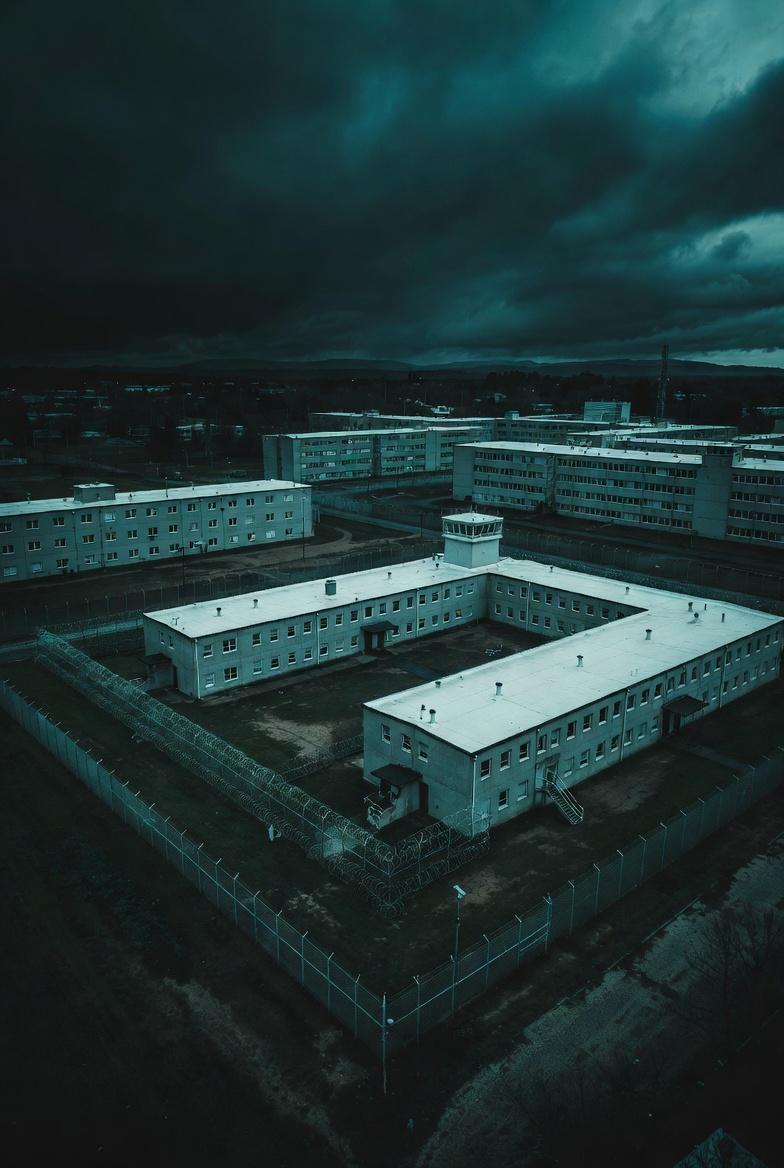
CT DOC - Webster State Correctional Institution - CLOSED
State Prison | Connecticut County — Connecticut
Webster State Correctional Institution was a medium-security facility for male offenders located at 111 Jarvis Street in Cheshire, Connecticut, within New Haven County. Operated by the Connecticut Department of Correction, this institution served as part of the state's broader correctional network before its closure. The facility's exact opening date, capacity figures, and closure timeline remain undocumented in publicly available records.
Families seeking information about individuals formerly housed at Webster should contact the Connecticut Department of Correction directly for current inmate location, historical records, and transfer details. The Connecticut DOC maintains centralized records that can help locate inmates transferred to other state facilities following Webster's closure.
Webster State Correctional Institution's most notable characteristic within the Connecticut correctional system was its location in Cheshire, a town that also houses the Northern Correctional Institution and Cheshire Correctional Institution. This concentration of correctional facilities in Cheshire reflected Connecticut's approach to centralizing corrections infrastructure in specific geographic areas. As a medium-security facility, Webster occupied a middle tier in the state's security classification system, housing inmates who required more supervision than minimum-security facilities but less restrictive conditions than maximum-security institutions. The facility's closure represents part of Connecticut's ongoing adjustments to its correctional infrastructure.
During its operational period, Webster State Correctional Institution housed male inmates classified at the medium-security level within Connecticut's correctional system. Medium-security facilities typically accommodate inmates convicted of various felony offenses who demonstrate moderate institutional behavior and security risk levels. The population likely included sentenced offenders serving time for property crimes, drug-related offenses, and certain violent crimes not requiring maximum-security placement. Classification decisions balanced public safety concerns with institutional resources and individual inmate needs. The facility would have housed inmates at different stages of their sentences, from those beginning longer terms to others approaching release dates. Following closure, all inmates were transferred to other Connecticut Department of Correction facilities.
Webster State Correctional Institution maintained housing conditions typical of medium-security facilities within the Connecticut correctional system. Inmates were likely housed in cell blocks or dormitory-style units depending on security classifications and behavior. Daily routines included scheduled meal times served in dining halls or housing units, with menus meeting basic nutritional standards established by state regulations. Recreation opportunities typically included outdoor yard time when weather permitted and indoor recreation areas for physical activity and social interaction. Medical services addressed routine healthcare needs, sick call appointments, and management of chronic conditions, with more serious cases referred to specialized facilities. Mental health services provided counseling and psychiatric care for inmates with diagnosed conditions. The grievance process allowed inmates to formally address concerns about conditions, treatment, or policy violations through administrative channels before the facility's closure.
During its operation, Webster State Correctional Institution offered programming consistent with medium-security facilities in Connecticut's system. Educational opportunities likely included adult basic education classes and GED preparation for inmates without high school diplomas, supporting successful community reintegration. Vocational training programs may have been available to develop marketable job skills in various trades. Substance abuse treatment addressed addiction issues through counseling, education, and support groups, recognizing the connection between substance dependency and criminal behavior. Religious services and spiritual counseling accommodated diverse faith traditions. Re-entry programs helped inmates approaching release prepare for challenges of returning to communities, including employment assistance, housing resources, and family reunification support. The scope and availability of these programs evolved throughout the facility's operational history.
Webster State Correctional Institution maintained various work assignments that kept the facility functioning while providing inmates with structure and skill development. Inside jobs included kitchen duty, facility maintenance, laundry operations, and janitorial services essential to daily operations. These assignments taught work habits, responsibility, and transferable skills while reducing operational costs. Some inmates may have worked in warehouse operations, groundskeeping, or building maintenance roles. Work assignments considered security classifications, behavior records, and individual capabilities. Compensation for institutional work assignments in Connecticut facilities has historically been minimal, following standard correctional employment practices throughout the state system.
The historical record of Webster State Correctional Institution's establishment and operational timeline remains limited in publicly accessible documentation. The facility served as part of Connecticut's medium-security correctional infrastructure in Cheshire, joining other state facilities in that municipality. Connecticut's correctional system has undergone significant changes over recent decades, including facility consolidations, closures, and population management strategies responding to changing incarceration trends, budget considerations, and criminal justice reforms. The decision to close Webster reflected broader policy decisions about Connecticut's correctional capacity needs and resource allocation. Following closure, the property at 111 Jarvis Street represents one of several former Connecticut correctional facilities that have ceased operations as the state adjusted its institutional footprint. The facility's closure impacted both the inmate population, who were transferred elsewhere, and the local community.
Because Webster State Correctional Institution is closed, visitation is no longer available at this location. Families seeking to visit inmates formerly housed at Webster must determine their current location within the Connecticut Department of Correction system. When visiting inmates at their current facilities, families should prepare valid government-issued photo identification for all adult visitors. Dress codes prohibit revealing clothing, items resembling inmate uniforms, and certain colors specified by individual facilities. Visitor approval processes require background checks and registration before the first visit. Scheduling procedures vary by facility, with some requiring advance appointments while others operate on set schedules. Families should contact the specific Connecticut DOC facility currently housing their loved one to verify current visitation policies, schedules, and requirements before traveling.
To contact inmates formerly housed at Webster State Correctional Institution, families must first determine their current location within the Connecticut correctional system. Mail should be addressed using the inmate's full legal name, Department of Correction identification number, and the complete address of their current facility. The Connecticut Department of Correction maintains regulations about acceptable mail content, prohibiting contraband and certain materials. Books and publications typically must arrive directly from approved vendors or publishers rather than personal packages. Inmates can usually maintain telephone contact through prepaid phone accounts that families fund. Some Connecticut facilities may offer email or electronic messaging systems through authorized vendors. Families should verify current communication policies and procedures with the specific facility currently housing their loved one.
Sponsored and Powered by our Partner TruthFinder
Quick Facts
Should I Be Concerned? — Family Guide
CT DOC - Webster State Correctional Institution is permanently closed and no longer accepts visitors or houses inmates. With zero recorded staff assaults during its operational history, the facility maintained a relatively safe environment. If you have a family member previously incarcerated here, contact the Connecticut Department of Correction to locate their current facility assignment and visitation information.
Neighborhood & Getting There
Located in Cheshire, Connecticut, approximately 15 miles north of New Haven and 25 miles south of Hartford. The facility sits in a residential area with convenient highway access via I-91. Nearby amenities include hotels along Route 10 and Route 5 corridors. New Haven regional airport and Bradley International Airport provide regional transportation options. The surrounding Cheshire area offers basic services for families traveling from out of state.