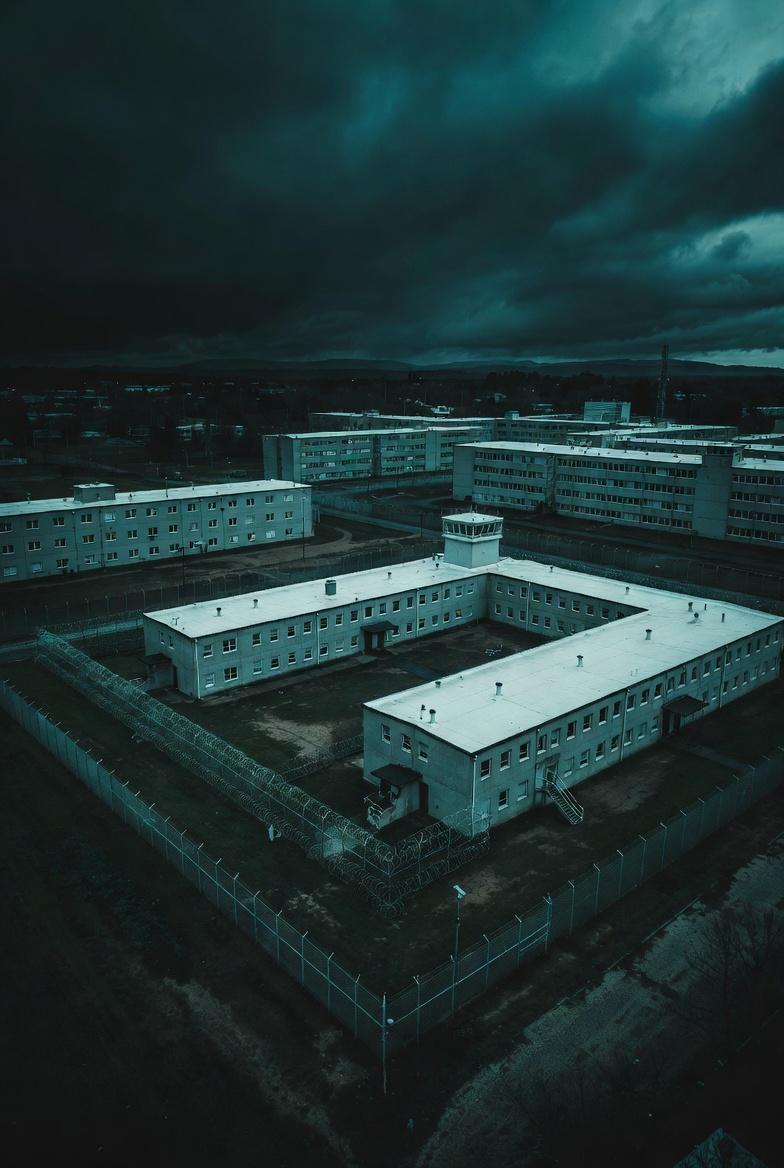
Contra Costa County - West Detention (WCDF) (ICE)
County Jail | California County — California
Contra Costa County West Detention Facility, commonly known as WCDF, operates as a medium-security detention center in Richmond, California, located at 5555 Giant Highway. This facility functions within the California detention system and houses male detainees, including those held under Immigration and Customs Enforcement (ICE) authority. The facility serves Contra Costa County's detention needs while maintaining federal contracts for immigration enforcement operations in the Northern California region.
Families seeking information about detained individuals can conduct inmate searches through county systems, arrange visitation, and establish communication channels. Understanding facility-specific procedures for sending money, scheduling visits, and accessing arrest records helps families maintain crucial connections during detention periods.
The West County Detention Facility's primary distinguishing characteristic is its dual-function operation serving both county-level detention needs and federal immigration enforcement through its ICE contract. This partnership positions WCDF as a regional immigration detention center within Contra Costa County, handling individuals in federal immigration proceedings alongside county-level detainees. The facility's location on Giant Highway in Richmond places it within the western region of Contra Costa County, serving communities throughout the Bay Area with specialized detention capabilities for immigration-related cases requiring secure custody while administrative or legal proceedings continue.
The West County Detention Facility maintains a specialized population composition reflecting its dual-purpose operations. The facility houses male detainees including those held under ICE authority pending immigration hearings, deportation proceedings, or federal transfer. County-level detainees include pre-trial individuals awaiting court appearances and those serving shorter sentences for misdemeanor convictions. The population classification system separates detainees based on security risk, criminal history, and legal status. Immigration detainees often include individuals apprehended for civil immigration violations, while others may face criminal charges alongside immigration proceedings. The facility maintains distinct housing protocols for federal immigration detainees versus county criminal justice populations, ensuring appropriate supervision levels throughout detention periods.
West County Detention Facility provides housing in multiple-occupancy cells and dormitory-style units designed for medium-security classification levels. Detainees receive three meals daily prepared according to institutional dietary standards, with accommodations for religious and medical dietary requirements. Recreation opportunities include scheduled outdoor yard time and indoor common areas, though specific schedules vary by housing unit and security classification. Medical services address routine healthcare needs through on-site clinical staff, with emergency care protocols and referrals for specialized treatment when necessary.
Mental health services provide assessment and ongoing support for detainees experiencing psychological distress or requiring psychiatric intervention. The facility maintains a formal grievance process allowing detainees to address concerns regarding conditions, staff interactions, or policy applications. Detainees submit written grievances through established administrative channels, with response timelines governed by institutional policies. Legal materials and law library access support detainees preparing for court proceedings, particularly important for those navigating immigration cases without legal representation.
West County Detention Facility offers educational programming including GED preparation for detainees seeking high school equivalency credentials during their detention period. Library services provide access to recreational reading materials and legal resources necessary for case preparation. Substance abuse programming addresses addiction issues through counseling and educational components, helping detainees understand dependency patterns and recovery strategies. Religious services accommodate various faith traditions through volunteer chaplains and community religious organizations conducting regular worship services and spiritual counseling.
Re-entry planning for those returning to communities focuses on resource connections and transitional support, though immigration detainees face different pathways involving potential deportation. Limited vocational training opportunities exist given the transient nature of immigration detention populations. Programming availability varies based on facility capacity, staffing levels, and individual detainee eligibility determined by custody classification and projected detention duration.
Work assignments at West County Detention Facility include facility maintenance positions, kitchen duties, laundry operations, and general sanitation responsibilities. Detainees performing work assignments typically receive minimal compensation or commissary credits based on institutional policies. Kitchen workers assist with meal preparation and service under staff supervision, while maintenance crews handle routine cleaning and minor repairs throughout housing units and common areas. Laundry operations process institutional linens and detainee clothing on continuous schedules. These work opportunities provide structured activity during detention while supporting facility operations, though participation eligibility depends on security classification, behavioral record, and immigration status considerations affecting certain federal detainees.
The West County Detention Facility developed as part of Contra Costa County's expanded detention infrastructure serving the western communities of the county. While specific founding dates remain undocumented in available public records, the facility emerged during periods of growing detention needs in the Bay Area, particularly as immigration enforcement intensified in Northern California. The facility's evolution included establishing contracts with Immigration and Customs Enforcement to house federal immigration detainees, creating a significant revenue stream for county operations while providing detention bed space for federal agencies.
This arrangement positioned WCDF within broader national debates regarding local government participation in federal immigration enforcement. The facility has adapted to changing detention populations, policy shifts in immigration enforcement, and evolving standards for detention conditions. Its current role balances county criminal justice needs with federal immigration detention requirements, serving as a regional resource in the complex landscape of California's detention system.
Visitation at West County Detention Facility requires advance approval and adherence to facility-specific regulations. Visitors must present valid government-issued photo identification upon arrival and complete security screening procedures. Dress code policies prohibit revealing clothing, gang-related colors or symbols, and items resembling institutional uniforms. Visitor approval processes may involve background checks, particularly for those visiting immigration detainees under federal custody.
Scheduling procedures vary depending on housing unit assignments and detainee status. Contact-visit or non-contact visit formats depend on security classification and behavioral records. Families should call the facility in advance to verify current visitation schedules, confirm approved visitor status, and understand any recent policy changes affecting visitation procedures. Visit duration limits and frequency restrictions apply based on institutional capacity and operational requirements.
Mail to detainees at West County Detention Facility should include the detainee's full legal name, booking number or identification number, and the complete facility address: 5555 Giant Highway Richmond, CA 94806. All incoming mail undergoes inspection for contraband and prohibited items before delivery. Correspondence rules prohibit certain content and materials based on security policies.
Book shipments must arrive directly from approved vendors to comply with security protocols. Telephone services allow detainees to place collect calls or prepaid calls through approved phone account systems that families can fund remotely. Email or electronic messaging availability depends on contracted service providers and detainee eligibility, with immigration detainees sometimes having access to specialized communication systems separate from county populations.
Sponsored and Powered by our Partner TruthFinder
Quick Facts
Should I Be Concerned? — Family Guide
WCDF maintains a medium-security environment with zero reported staff assaults, indicating a relatively stable facility climate. However, with unknown current occupancy levels, conditions may vary. Families should expect standard security screening upon entry, including metal detectors and identification verification. Contact the facility directly before visiting to confirm current visitation status and any operational changes.
Neighborhood & Getting There
West Detention Facility is located in Richmond, California, a major city in Contra Costa County's East Bay region, approximately 45 minutes northeast of San Francisco and 25 minutes west of Walnut Creek. The facility sits on Giant Highway near industrial areas and the Port of Richmond. Hotels and highway access are available via Interstate 80. Richmond has limited public transportation; personal vehicle recommended for facility access.