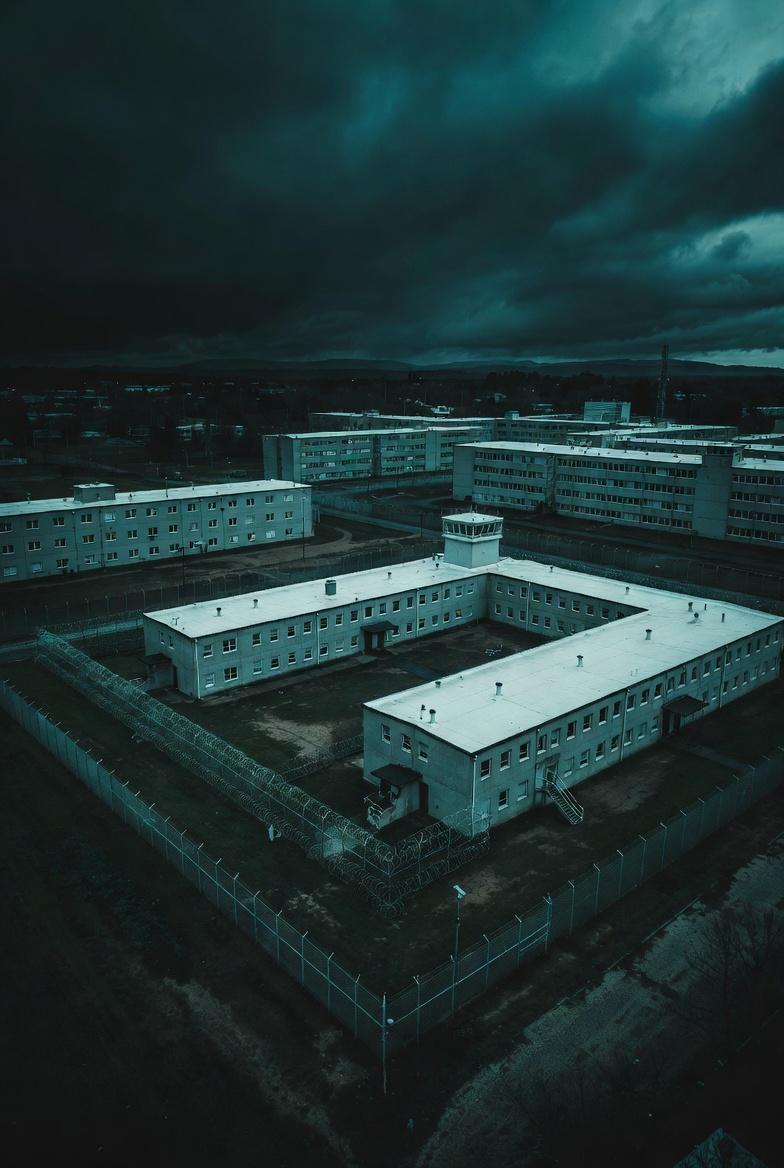
Clearwater County ID Jail is located at 150 Michigan Avenue on the second floor in Orofino, Idaho 83544. This medium-security facility operates under the Idaho Department of Corrections framework and houses male inmates. Situated in Clearwater County in north-central Idaho, the jail serves as the primary detention center for the county's law enforcement needs. The facility processes individuals arrested within Clearwater County jurisdiction and holds both pre-trial detainees and sentenced inmates.
Families seeking information about incarcerated loved ones can utilize inmate search services to locate individuals housed at this facility. The jail accepts money orders and approved electronic deposits for inmate accounts. Visitation is available following facility protocols, and arrest records are maintained through county law enforcement channels. Contacting the facility directly ensures families receive current information regarding specific policies and procedures.
Clearwater County ID Jail serves one of Idaho's most geographically expansive yet sparsely populated counties, covering over 2,500 square miles of north-central Idaho terrain. The facility's location in Orofino, positioned along the Clearwater River near the historic Dworshak Dam, places it in a uniquely rural setting compared to urban Idaho detention centers. This geographic isolation means the jail serves communities scattered across vast forested areas, timber country, and mountainous regions. The facility must coordinate with limited local law enforcement resources across considerable distances, making it a critical hub for detention services in this remote portion of Idaho's correctional system.
The inmate population at Clearwater County ID Jail consists primarily of individuals arrested on charges within Clearwater County's jurisdiction. The facility houses pre-trial detainees awaiting court proceedings alongside sentenced inmates serving shorter terms for misdemeanor and felony offenses. Common charges include driving under the influence, domestic violence, property crimes, drug-related offenses, and probation violations. Given the rural nature of Clearwater County, the jail also processes arrests related to forestry violations, wildlife crimes, and outdoor recreation incidents. The population fluctuates based on seasonal factors and local law enforcement activity. Some inmates may be held temporarily while awaiting transfer to state facilities for longer sentences. The medium-security classification allows the facility to manage a diverse population with varying custody levels and supervision needs.
Clearwater County ID Jail provides housing in a secure detention environment appropriate for its medium-security classification. Inmates are housed in cells or dormitory-style units based on classification, security needs, and available space. The facility provides three meals daily prepared according to nutritional standards and accommodating basic dietary restrictions. Recreation opportunities are offered within the limitations of the facility's structure and staffing, typically including scheduled outdoor or indoor recreation periods. Medical services address routine healthcare needs, sick call requests, and medication management, with serious medical issues requiring transport to area hospitals. Mental health services provide crisis intervention and ongoing support for inmates experiencing psychological distress. The facility maintains a grievance process allowing inmates to formally address concerns about conditions, treatment, or policy violations. Inmates receive bedding, hygiene supplies, and uniforms as part of standard detention protocols. The jail environment emphasizes security while maintaining constitutionally adequate living standards for the incarcerated population.
Clearwater County ID Jail offers limited programming consistent with its function as a county detention facility rather than a long-term correctional institution. Educational opportunities may include access to reading materials and correspondence courses for inmates with longer stays. The facility coordinates with community organizations and religious volunteers who provide faith-based services and spiritual counseling. Substance abuse education and support groups address the significant portion of the population dealing with addiction issues, often through community partnerships. Some inmates may participate in work assignments that maintain facility operations while developing basic employment skills. Re-entry planning assistance helps sentenced inmates prepare for release by connecting them with community resources, housing assistance, and employment services. Program availability depends on facility resources, staff capacity, and inmate length of stay, with shorter-term detainees having less access to comprehensive programming than sentenced inmates.
Work assignments at Clearwater County ID Jail focus primarily on maintaining daily facility operations rather than industrial production. Inmates may be assigned to kitchen duties assisting with meal preparation, serving, and cleanup under staff supervision. Janitorial work assignments keep housing units, common areas, and facility spaces clean and sanitary. Laundry operations provide ongoing work handling facility linens, uniforms, and inmate clothing. Maintenance tasks may include basic facility upkeep and groundskeeping responsibilities. These work assignments provide structure, reduce idleness, and help offset operational costs while giving inmates responsibility and basic work experience. Participation in work programs is typically voluntary or based on behavior and classification status.
Clearwater County has maintained detention facilities in Orofino for decades, serving the county's law enforcement needs since the area's early settlement and timber industry development. The current jail facility operates from the second floor of the county building at 150 Michigan Avenue, reflecting the integration of detention services within county government infrastructure. Clearwater County's history is deeply connected to logging, the construction of Dworshak Dam in the 1970s, and serving as Idaho's geographic center. The jail has adapted over time to meet changing correctional standards, population needs, and legal requirements for detention facilities. While specific construction dates and major renovations are not publicly documented, the facility continues to serve as the primary detention center for this rural Idaho county. Today, it functions within the broader Idaho Department of Corrections framework while maintaining its role as a county-operated jail serving local law enforcement and judicial needs.
Visitation at Clearwater County ID Jail requires advance approval and adherence to facility protocols. Visitors must provide valid government-issued photo identification and may be subject to background checks before approval. The facility enforces strict dress code requirements prohibiting revealing clothing, gang colors, and items that could pose security concerns. Visitation schedules vary and may be limited based on housing assignments and facility operations. Visitors should expect to pass through security screening and follow all staff instructions during visits. Contact visits may be restricted depending on inmate classification and behavior. Families are strongly encouraged to call the facility ahead of time to confirm current visitation hours, procedures, and any COVID-19 or emergency-related restrictions that may affect scheduled visits.
Mail sent to inmates at Clearwater County ID Jail should be addressed with the inmate's full legal name, booking number if known, followed by the facility address: 150 Michigan Avenue, Second Floor, PO Box 724, Orofino, ID 83544. All incoming mail is inspected for contraband and must comply with facility policies regarding acceptable content. Books and publications typically must be sent directly from approved vendors or publishers rather than from individuals. Inmates may have access to phone accounts allowing collect calls or prepaid calling services, depending on the facility's telecommunications provider. Families should contact the jail directly to establish phone accounts and understand calling procedures. Some county jails offer email or electronic messaging services through third-party vendors, though availability varies and should be confirmed with facility staff.
Sponsored and Powered by our Partner TruthFinder
Quick Facts
Should I Be Concerned? — Family Guide
Clearwater County ID Jail operates at medium security with no reported staff assaults, suggesting a stable operational environment. While current occupancy data is unavailable, the facility maintains standard safety protocols typical of county jails in Idaho. Visitors should expect controlled visitation procedures, standard security screening, and adherence to facility rules. Arrive early, bring valid identification, and contact the facility ahead of time to confirm visiting hours and any restrictions.
Neighborhood & Getting There
Orofino is located in north-central Idaho's Clearwater County, approximately 90 miles northeast of Coeur d'Alene and 110 miles north of Boise. The region is characterized by forested terrain, limited urban development, and small-town infrastructure. The facility is situated on Michigan Avenue in downtown Orofino. Visitors from larger Idaho metros should plan 2-3 hours driving time. Basic lodging and services are available in Orofino; gas stations and restaurants line Highway 12.