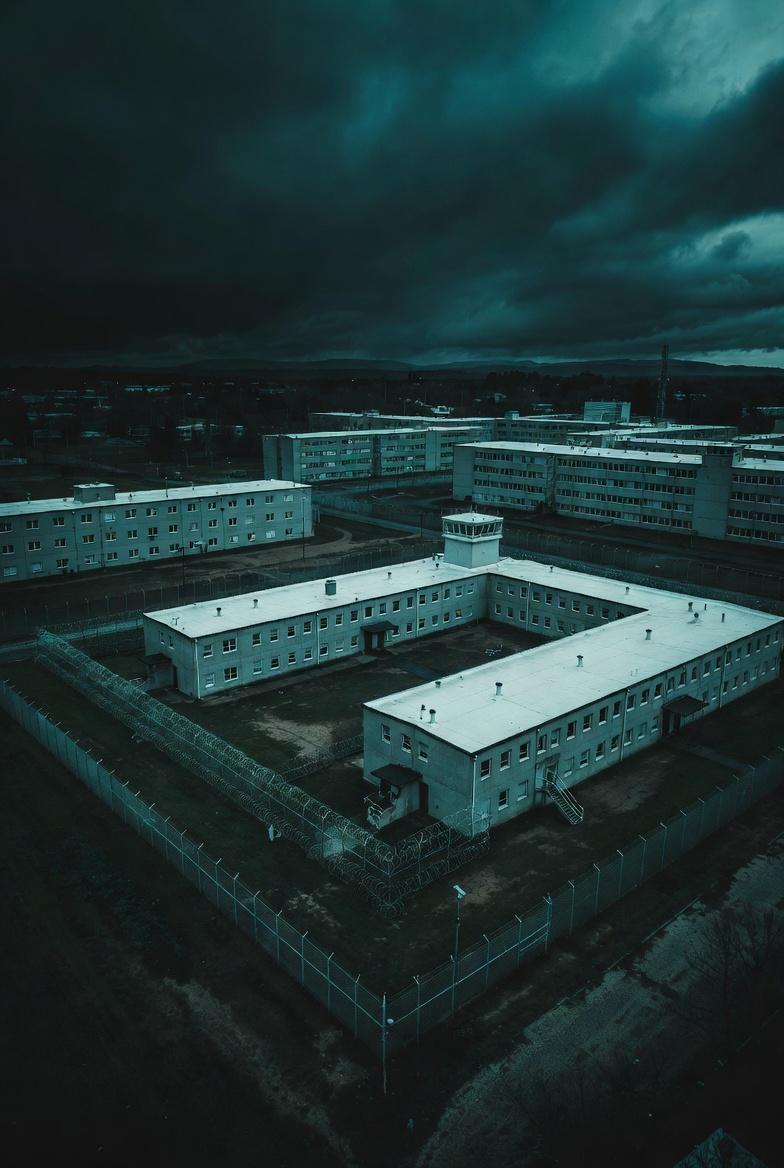
Valley State Prison (VSP) is a medium-security facility operated by the California Department of Corrections and Rehabilitation in Chowchilla, located in Madera County, California. The institution houses adult male inmates serving sentences in the California state prison system. VSP is situated at 21633 Avenue 24 in the Central Valley agricultural region. As a medium-security prison, VSP maintains structured custody protocols while offering inmates access to programming and work opportunities during their incarceration.
Families seeking information about inmates at Valley State Prison can use the CDCR inmate locator system to search arrest records and confirm housing assignments. Resources are available for sending money to incmate trust accounts, scheduling visits, and maintaining communication through approved mail and phone systems throughout an inmate's stay at this Chowchilla facility.
Valley State Prison holds a unique position in the California correctional system as one of several major facilities located in the Chowchilla area of Madera County. The Central Valley location places VSP in proximity to the Central California Women's Facility, creating a significant correctional complex in this agricultural region. The medium-security designation allows VSP to house inmates who have demonstrated appropriate institutional behavior and require less restrictive custody than maximum-security facilities. This classification enables the prison to focus on rehabilitation programming while maintaining necessary security protocols for public safety and institutional order.
Valley State Prison houses adult male inmates classified at the medium-security level within the California Department of Corrections and Rehabilitation system. The population consists of sentenced offenders who have been convicted of various felony offenses under California law. Inmates at VSP have typically progressed from higher security levels or been initially classified as medium custody based on their criminal history, sentence length, and institutional behavior assessment. The facility does not house pre-trial detainees, as those individuals remain in county jail facilities awaiting court proceedings. VSP's medium-security classification means inmates have demonstrated they can function in a less restrictive environment while still requiring secure custody and supervision throughout their incarceration period.
Inmates at Valley State Prison are housed in dormitory-style and cell-based housing units appropriate for medium-security custody. The facility provides three meals daily prepared in accordance with CDCR nutritional standards and accommodates religious and medical dietary requirements. Recreation opportunities include outdoor yards where inmates can exercise, participate in sports activities, and socialize during designated periods. Medical services are provided through on-site health care staff who address routine medical needs, chronic care management, and emergency treatment. Mental health services are available for inmates requiring psychiatric care, counseling, or crisis intervention support. The institution operates under CDCR regulations that provide inmates the right to file grievances through the administrative appeals process when they believe policies have been violated or they have been treated unfairly. Access to law library resources supports inmates in addressing legal matters during their incarceration.
Valley State Prison offers educational programming that includes adult basic education and GED preparation for inmates seeking to complete their high school equivalency. Vocational training programs provide inmates with marketable job skills in various trades to improve employment prospects upon release. Substance abuse treatment programs address addiction issues through group counseling and therapeutic communities designed to support recovery and reduce recidivism. Religious services and spiritual programming are available through the chapel, with various faith traditions represented to meet the diverse spiritual needs of the inmate population. Re-entry programs focus on preparing inmates for successful community transition by addressing housing, employment, and family reunification planning before release dates.
Work assignments at Valley State Prison provide inmates with job skills and help maintain facility operations. Inside work assignments include kitchen duties, janitorial services, laundry operations, and facility maintenance positions. Inmates may also work in administrative support roles or assist with warehouse operations. These institutional work assignments teach responsibility and provide structure to the daily routine while inmates serve their sentences. Work participation is typically considered during classification reviews and may be factored into rehabilitation assessments. Assignments are made based on custody level, behavior history, and institutional needs at VSP.
Valley State Prison was established as part of California's prison expansion to address growing incarceration needs in the state correctional system. The facility was constructed in Chowchilla, taking advantage of available land in the Central Valley region where several other correctional facilities were already operating. The location in Madera County placed VSP in an area with existing correctional infrastructure and a community familiar with prison operations. Over the years since its opening, Valley State Prison has adapted to changes in California's correctional philosophy, including shifts in sentencing laws and rehabilitation programming emphasis. The facility continues to serve as a medium-security institution within the CDCR system, housing male inmates from throughout California while providing custody and programming appropriate to their classification level.
Visitation at Valley State Prison requires advance approval through the CDCR visiting application process. All visitors must be on the inmate's approved visiting list before arriving at the facility. Valid government-issued photo identification is required for all adult visitors. The dress code prohibits clothing that resembles inmate attire, revealing or sexually suggestive clothing, and items that could compromise security. Visitors should expect to pass through metal detectors and may be subject to search procedures upon entering the facility. Visiting schedules vary by housing unit, and specific visiting days and times are assigned based on the inmate's location within VSP. Families should contact the facility well in advance to confirm current visiting procedures, required documentation, and any temporary restrictions that may be in effect.
Mail sent to inmates at Valley State Prison must include the inmate's full legal name, CDCR number, and the complete mailing address: PO Box 92, Chowchilla, CA 93610-0092. All incoming correspondence is subject to inspection for security purposes. Books, magazines, and educational materials must be sent directly from approved vendors or publishers rather than from individuals. Inmates can make outgoing phone calls through the facility phone system, which requires friends and family to establish prepaid accounts or accept collect calls. Families should verify current phone system providers and setup procedures. Communication policies are subject to CDCR regulations, and certain restrictions apply to content and frequency of contact.
Sponsored and Powered by our Partner TruthFinder
Quick Facts
Should I Be Concerned? — Family Guide
Valley State Prison's medium-security classification and zero reported staff assaults in recent records suggest a relatively stable facility environment. Medium security provides balanced supervision with inmate programming opportunities. Families visiting should expect standard security screening procedures and follow all facility rules to ensure safe, productive visits.
Neighborhood & Getting There
Valley State Prison is located in Chowchilla, California, in Madera County within the San Joaquin Valley agricultural region. The facility sits approximately 150 miles north of Los Angeles and 90 miles south of Fresno. Chowchilla is a small rural community with limited commercial services; visitors typically stay in nearby Fresno or Madera. Highway 99 provides primary access, with motels and services concentrated along major thoroughfares outside the immediate prison area.