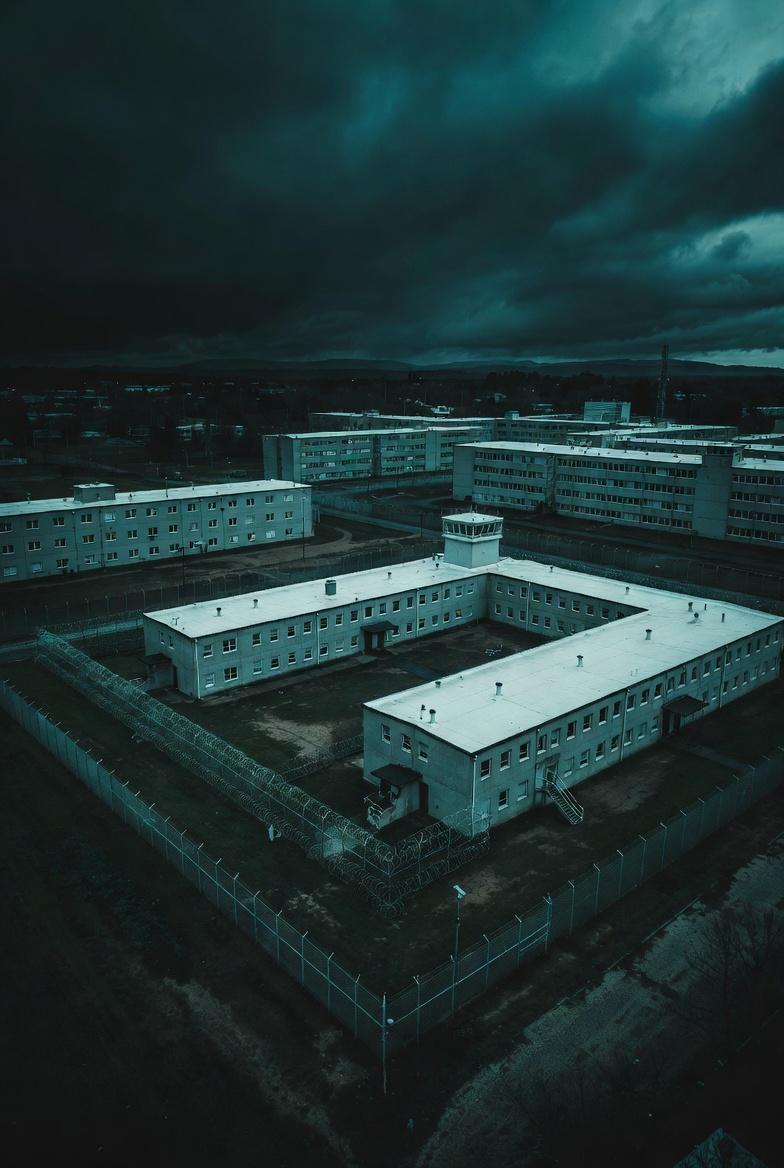
CDCR - Trinity River Adult Conservation (Fire) Camp #3
State Prison | 0 County — California
CDCR - Trinity River Adult Conservation (Fire) Camp #3 is a medium-security conservation camp located at 3325 Pettijohn Road in Lewiston, California. Operated by the California Department of Corrections and Rehabilitation, this facility houses male inmates who participate in wildland firefighting and conservation work programs. As one of California's network of adult conservation camps, it plays a critical role in the state's emergency response infrastructure while providing inmates with valuable skills and reduced custody environments.
Families seeking information about inmates at Trinity River Fire Camp #3 can search arrest records and inmate rosters through official CDCR resources. Loved ones can send money, schedule visits, and maintain contact through approved communication channels. Understanding facility-specific procedures helps families stay connected during incarceration.
Trinity River Adult Conservation (Fire) Camp #3 is distinguished by its conservation and firefighting mission within the California corrections system. Inmates housed here are specially selected based on their physical fitness, non-violent offense history, and behavior, making this a lower-security environment than traditional prisons. The facility focuses on training crews for wildland fire suppression, emergency response, and conservation projects throughout Northern California. Located in the rural Trinity County region near Lewiston, the camp provides inmates with hands-on training in firefighting techniques, forestry management, and public service work that directly benefits California communities during fire season and other environmental emergencies.
Trinity River Fire Camp #3 houses a carefully selected population of male inmates who meet specific eligibility criteria for conservation camp placement. Inmates must be minimum or medium-security classified, typically serving sentences for non-violent, non-sexual offenses with good institutional behavior records. The population excludes individuals convicted of arson, sexual offenses, or those with significant disciplinary histories. Inmates are sentenced individuals rather than pre-trial detainees, having volunteered for the physically demanding fire camp program. Physical fitness requirements are stringent, as crew members must pass medical examinations and maintain conditioning necessary for wildland firefighting operations. The population generally consists of younger, able-bodied inmates seeking reduced custody environments and opportunities to contribute positively while serving their sentences.
Living conditions at Trinity River Fire Camp #3 differ significantly from traditional prison environments, reflecting the camp's conservation mission and reduced security classification. Inmates typically reside in barracks-style dormitory housing rather than cells, with open bay arrangements fostering a communal atmosphere. The rural setting near Lewiston provides access to outdoor recreation and training areas essential for firefighting preparation. Meals are provided in a common dining facility, with nutrition calibrated to support the physically demanding work inmates perform. Medical services address routine healthcare needs and work-related injuries, with serious cases referred to higher-level facilities. Mental health services are available, though the camp environment generally attracts inmates with fewer acute mental health needs. The grievance process follows standard CDCR procedures, allowing inmates to formally address concerns through administrative channels. The camp's focus on teamwork, physical conditioning, and public service creates a distinct culture compared to higher-security institutions.
Programs at Trinity River Fire Camp #3 center primarily on firefighting training, conservation work, and outdoor skills development. Inmates receive extensive instruction in wildland fire suppression techniques, chainsaw operation, hand tool use, fire line construction, and emergency medical response. Educational opportunities may include GED preparation for those without high school diplomas, though the facility's primary focus remains on vocational firefighting skills. Substance abuse programs address addiction issues common among the inmate population, supporting rehabilitation and reducing recidivism. Religious services and spiritual counseling are available to meet inmates' faith needs. Re-entry preparation emphasizes translating firefighting and conservation skills into civilian employment opportunities, with certifications earned during camp assignment potentially benefiting post-release job searches in forestry, landscaping, and emergency services fields.
Work assignments at Trinity River Fire Camp #3 focus extensively on conservation and emergency response rather than traditional prison industries. Inmates serve on hand crews deployed to wildland fires throughout California during fire season, working alongside Cal Fire and U.S. Forest Service personnel. When not fighting fires, crews perform fuel reduction projects, trail maintenance, habitat restoration, and other conservation work on public lands. Camp maintenance duties include kitchen operations, grounds keeping, facility upkeep, and equipment maintenance. The physically demanding outdoor work provides valuable training, contributes to public safety, and offers inmates a sense of purpose through direct community service.
Trinity River Adult Conservation (Fire) Camp #3 is part of California's longstanding conservation camp program, which dates back to the 1940s when the state recognized the value of utilizing inmate labor for wildland firefighting and conservation projects. The camp system expanded significantly during the post-war era as California's population growth increased fire suppression needs. Trinity River Camp #3 specifically serves the Northern California region, strategically positioned in Trinity County's forested terrain where fire risk and conservation needs are substantial. The facility has evolved alongside changes in firefighting technology and techniques, with training programs continuously updated to reflect modern wildland fire suppression practices. Conservation camps have faced scrutiny regarding inmate compensation and safety, but remain integral to California's emergency response infrastructure. Today, Trinity River Fire Camp #3 continues its dual mission of rehabilitation and public service.
Visitation at Trinity River Adult Conservation (Fire) Camp #3 provides families opportunities to maintain connections with incarcerated loved ones, though procedures reflect the facility's conservation camp setting. Visitors must bring valid government-issued photo identification and may need prior approval through CDCR's visitor application process. Dress codes prohibit clothing resembling inmate attire or overly revealing garments. Visitation schedules may be limited compared to traditional prisons due to crew deployments for firefighting and conservation projects, particularly during fire season when inmates may be away from the facility for extended periods. Families should contact the facility in advance to confirm visitation availability and scheduling procedures, as firefighting assignments can affect normal visiting hours without advance notice.
To send mail to inmates at Trinity River Adult Conservation (Fire) Camp #3, address correspondence with the inmate's full name and CDCR number, followed by the facility address: 3325 Pettijohn Road, Lewiston, CA 96052. All incoming mail is subject to inspection according to CDCR regulations. Books and publications must be sent directly from approved vendors to prevent contraband introduction. Inmates can typically make outgoing phone calls through facility phone systems using prepaid accounts that families establish with approved vendors. Email and electronic messaging availability varies within the CDCR system; families should verify current communication options directly with the facility or through CDCR resources.
Sponsored and Powered by our Partner TruthFinder
Quick Facts
Should I Be Concerned? — Family Guide
CDCR - Trinity River Adult Conservation (Fire) Camp #3 maintains a Medium security classification with zero reported staff assaults, indicating a relatively safe facility environment. The fire camp model emphasizes structured rehabilitation through work programs, which contributes to lower violence rates. Families should expect standard security procedures during visits and plan accordingly for the remote Lewiston location.
Neighborhood & Getting There
CDCR - Trinity River Adult Conservation (Fire) Camp #3 is located in Lewiston, California, in Trinity County in far Northern California near the Trinity River. The nearest significant city is Redding, approximately 60 miles south, with a drive time of roughly 90 minutes. The remote area offers limited commercial services; visitors should plan ahead for fuel and supplies. Highway 299 provides primary access. Basic lodging and services are available in nearby towns like Trinity Center and Weaverville.