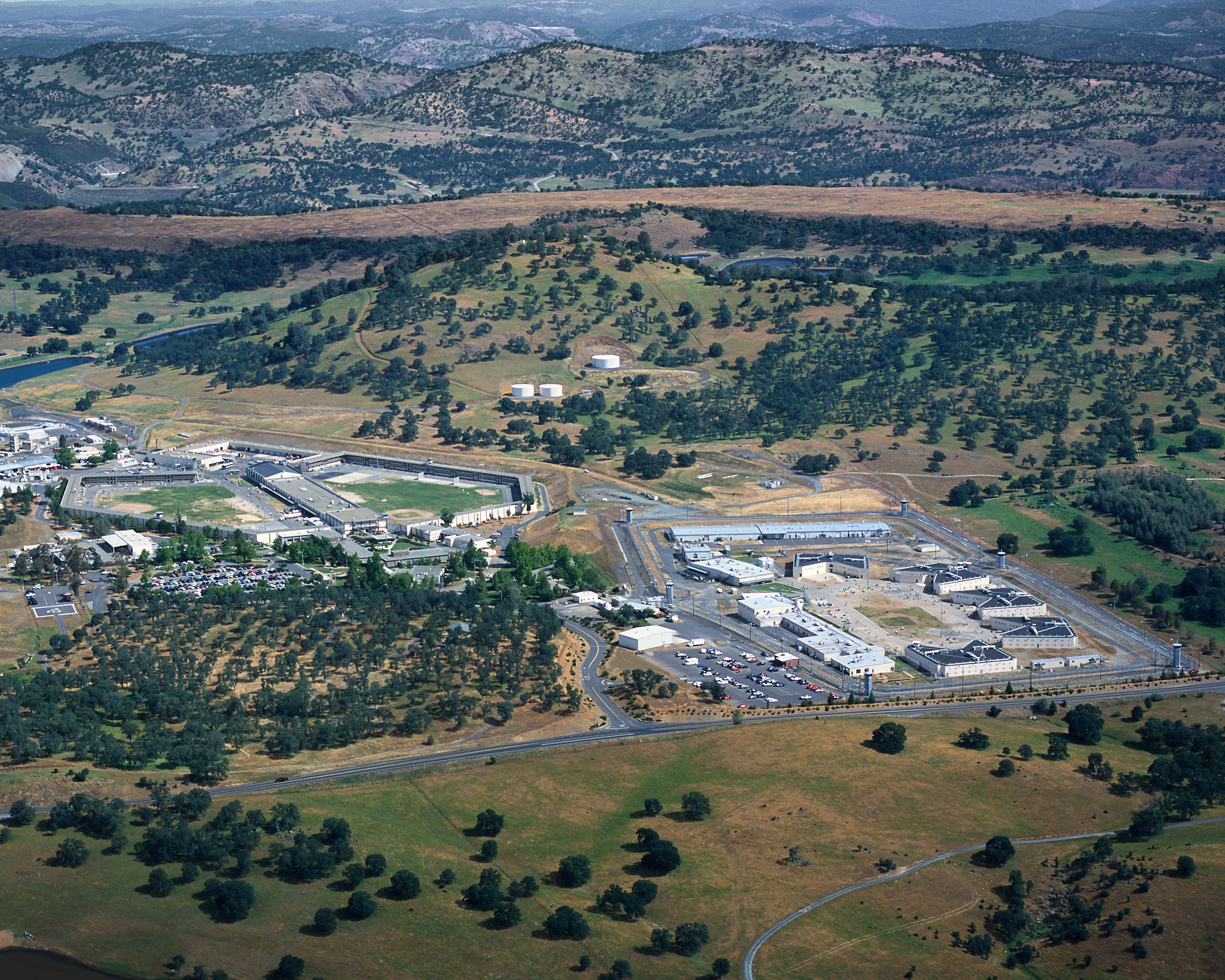
Sierra Conservation Center (SCC)
State Prison | Tuolumne County — California | California Department of Corrections and Rehabilation
Sierra Conservation Center is a minimum to medium security correctional facility located at 5100 O'Byrnes Ferry Road in Jamestown, Tuolumne County, California. Operated by the California Department of Corrections and Rehabilitation since 1965, SCC houses both male and female inmates with a current population of 4,687, significantly exceeding its designed capacity of 3,736. The facility operates under the leadership of Warden Joel Martinez and serves as an important component of California's correctional system in the Sierra Nevada foothills region.
Families seeking information about inmates at Sierra Conservation Center can conduct inmate searches through the CDCR database, send money through approved vendors, schedule visitation, and access arrest records. Understanding facility rules and procedures helps maintain communication with incarcerated loved ones and ensures compliance with institutional policies during visits and correspondence.
Sierra Conservation Center stands out within the California correctional system for its extensive conservation camp program, which gives the facility its name. SCC operates multiple conservation camps where eligible minimum-security inmates work alongside firefighters from the California Department of Forestry and Fire Protection during wildfire season and year-round on conservation projects throughout the state. These inmates perform vital public service including fire suppression, forest management, trail maintenance, and emergency response. This work program not only provides valuable job skills and reduces sentences through good-time credits but also contributes significantly to California's wildfire fighting capacity and natural resource conservation efforts across the Sierra Nevada region.
Sierra Conservation Center houses a diverse inmate population of 4,687 men and women classified as minimum to medium security. The facility primarily holds sentenced offenders who have demonstrated appropriate behavior and pose lower security risks, making them eligible for conservation camp assignments and community work programs. The population includes individuals convicted of property crimes, drug offenses, non-violent felonies, and some lower-level violent offenses who have progressed through higher security levels. SCC serves as a step-down facility for inmates nearing release dates, with many participating in work programs and rehabilitation services. The facility also houses a smaller population of medium-security inmates who work in facility operations and maintenance roles while awaiting program placement or transfer.
Inmates at Sierra Conservation Center reside in various housing configurations depending on their security classification and program assignment. Conservation camp participants live in dormitory-style barracks at satellite camps throughout the region, while the main facility houses inmates in both dormitory and traditional cell housing. Inmates receive three meals daily prepared in institutional kitchens, with dietary accommodations available for medical and religious requirements. Recreation opportunities include outdoor yards, basketball courts, and designated exercise areas, with conservation camp inmates having additional access to outdoor environments during work assignments.
Medical services are provided through on-site clinics staffed by healthcare professionals who address routine medical needs, chronic care management, and emergency situations. Mental health services include counseling, psychiatric care, and crisis intervention for inmates requiring psychological support. The facility maintains a formal grievance process allowing inmates to address concerns about conditions, treatment, or rule violations through written appeals reviewed by administrative staff. This system provides accountability and resolution mechanisms for institutional issues affecting the inmate population.
Sierra Conservation Center offers comprehensive programming designed to prepare inmates for successful reentry. Educational services include GED preparation and completion for those lacking high school credentials, along with adult basic education classes addressing literacy and numeracy skills. Vocational training programs provide hands-on instruction in trades such as carpentry, landscaping, building maintenance, and conservation work, with the firefighting and conservation camp program serving as the flagship vocational opportunity. Substance abuse treatment programs address addiction issues through group therapy, counseling, and evidence-based curricula helping participants maintain sobriety. Religious services accommodate various faith traditions with volunteer chaplains and community groups providing worship opportunities and spiritual guidance. Reentry programs focus on life skills, job readiness, parenting education, and transition planning to reduce recidivism and support successful community reintegration upon release from custody.
Work assignments at Sierra Conservation Center encompass both internal facility operations and external conservation projects. Inside the institution, inmates work in food services, laundry, maintenance, janitorial services, and administrative support roles that keep the facility functioning efficiently. The conservation camp program represents the primary external work opportunity, with trained inmates responding to wildfire emergencies, conducting fuel reduction projects, building and maintaining trails, clearing brush, and assisting with natural disaster response throughout California. These work crews operate under the supervision of correctional staff and Cal Fire personnel, providing essential public services while developing marketable skills. Work assignments offer inmates reduced custody time, job experience, and structured routines that support rehabilitation goals.
Sierra Conservation Center opened in 1965 specifically to support California's conservation camp program by housing minimum-security inmates eligible for firefighting and conservation work assignments. The facility was strategically located in Tuolumne County's gold country region to provide access to vast forest lands requiring fire protection and resource management. Original construction focused on dormitory-style housing and support facilities necessary for training and deploying inmate fire crews throughout the Sierra Nevada and Northern California regions. Over subsequent decades, SCC expanded its capacity and infrastructure to accommodate growing inmate populations and evolving correctional needs. The facility has maintained its core mission of operating conservation camps while adapting to changing corrections policies and population pressures. Today, Sierra Conservation Center continues serving as a vital component of both California's correctional system and its emergency response infrastructure, housing nearly 4,700 inmates well above original design capacity while maintaining public safety and rehabilitation programming.
Visitation at Sierra Conservation Center requires advance approval through the CDCR visiting application process. Prospective visitors must complete background checks and receive authorization before scheduling visits. Valid government-issued photo identification is mandatory for all adult visitors, and minors must be accompanied by approved adults with proper documentation proving relationships. Dress code policies prohibit revealing clothing, colors associated with gangs, and items resembling inmate attire. Visitors should avoid clothing with excessive zippers or metal that may delay security screening. Visitation scheduling procedures, specific visiting days, and hours vary by housing unit and inmate classification. Contact restrictions and approved visitor lists are determined by institutional policy and individual inmate status. Families should call the facility well in advance to confirm current visitation procedures, understand specific requirements, and verify visiting schedules before traveling to avoid disappointment.
Mail sent to inmates at Sierra Conservation Center must include the inmate's full legal name, CDCR number, and complete facility address: 5100 O'Byrnes Ferry Road, PO Box 497, Jamestown, CA 95327. All incoming mail undergoes inspection for contraband and prohibited items. Books and magazines must arrive directly from approved vendors or publishers rather than individual senders. Inmates can make outgoing phone calls through prepaid telephone accounts established by family members with approved vendors contracted by CDCR. These calls are subject to monitoring and recording. Email services may be available through electronic messaging platforms approved by the California prison system, allowing text-based communication between inmates and registered correspondents. Families should verify current communication options and establish accounts through proper vendors to maintain regular contact with incarcerated loved ones.
Sponsored and Powered by our Partner TruthFinder
Quick Facts
Should I Be Concerned? — Family Guide
Sierra Conservation Center maintains a minimum to medium security classification with zero reported staff assaults, indicating a generally safe environment. The facility operates above design capacity, which is common in California's system but may affect visit processing times. Visitors should expect standard security procedures and follow all facility rules; plan visits during designated hours and bring valid identification. Contact the facility in advance to confirm visiting status and any restrictions.
Neighborhood & Getting There
Located in Jamestown, Tuolumne County in the Sierra Nevada foothills, approximately 120 miles east of San Francisco and 90 miles south of Sacramento. The rural mountain setting provides natural surroundings but limited immediate amenities. Highway 49 provides direct access. Visitors typically stay in nearby Sonora (15 minutes) or larger communities like Modesto (45 minutes), which offer hotels, restaurants, and services. Winter weather may occasionally impact road conditions in this elevation zone.