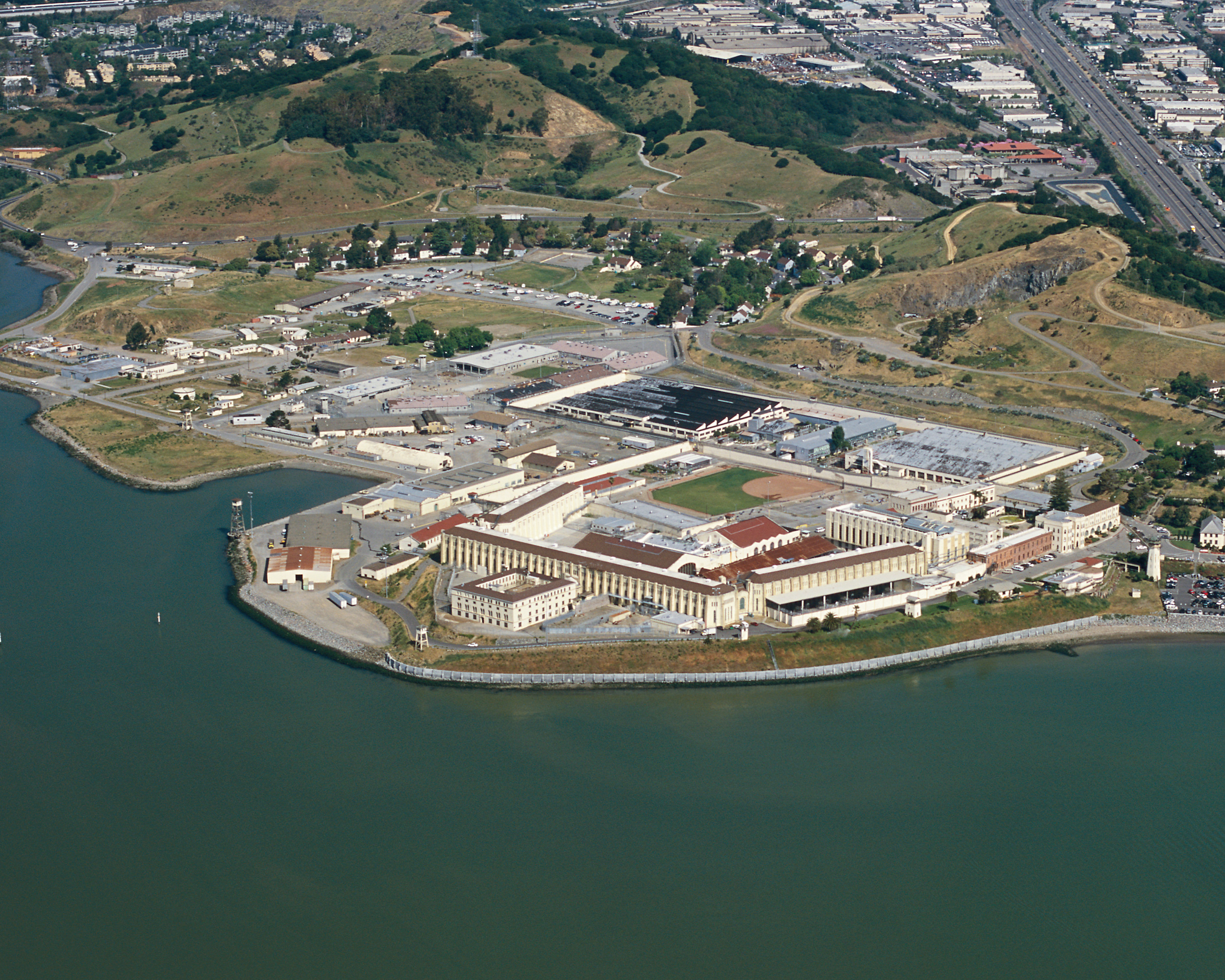
San Quentin State Prison (SQ)
State Prison | Marin County — California | California Department of Corrections and Rehabilitation
San Quentin State Prison is located at 1 Main Street in San Quentin, Marin County, California. Operated by the California Department of Corrections and Rehabilitation, this historic facility houses male inmates across minimum, medium, and maximum security classifications. With a current population of 3,774 inmates and a designed capacity of 3,082, San Quentin remains one of California's most significant correctional institutions. Warden Ronald Davis oversees operations at this multi-level security prison.
Families seeking information about inmates at San Quentin State Prison can search inmate records, access arrest information, and learn about available services. This resource helps families understand how to send money, schedule visits, and maintain contact with incarcerated loved ones through approved communication methods.
San Quentin State Prison holds the distinction of being California's oldest prison, established in 1852, making it a landmark institution in American corrections history. The facility's unique location on the San Francisco Bay waterfront in Marin County provides one of the most scenic settings of any prison in the United States. San Quentin historically housed California's only death row for male inmates and the state's execution chamber, making it nationally recognized beyond typical correctional facilities. The prison's long operational history means it combines historic cell blocks with more modern housing units, creating a distinctive architectural profile. Its proximity to the Bay Area has also enabled unique programming partnerships with universities and community organizations not commonly available at more remote California prisons.
San Quentin State Prison's population of 3,774 male inmates spans multiple security classifications from minimum to maximum custody levels. The facility houses inmates convicted of various felony offenses ranging from property crimes to violent felonies, serving sentences from a few years to life imprisonment. As a state prison rather than a county jail, San Quentin primarily holds sentenced offenders who have been convicted and are serving their prison terms rather than pre-trial detainees. The multi-level security design allows the institution to separate inmates based on custody level, behavior classification, and program participation. Special populations within San Quentin have historically included condemned inmates on death row, though California's death penalty status has evolved. The facility also houses inmates participating in various rehabilitation programs and those nearing release dates in lower security housing.
San Quentin State Prison features a variety of housing configurations reflecting its long operational history and multiple security levels. Inmates are housed in different units ranging from historic multi-tiered cell blocks to more modern dormitory-style housing depending on their custody classification. Maximum security inmates typically reside in single or double cells with restricted movement, while minimum security inmates may have dormitory housing with greater freedom. Inmates receive three meals daily prepared in the facility's main kitchen, with meal times scheduled by housing unit. Recreation opportunities vary by security level but generally include outdoor yards, dayrooms, and access to exercise equipment during designated periods. Medical services are provided through on-site clinics staffed by healthcare professionals, with serious medical needs addressed through outside hospital referrals. Mental health services include counseling, psychiatric care, and crisis intervention for inmates requiring psychological support. The facility maintains a formal grievance process allowing inmates to address concerns about conditions, treatment, or services through written appeals reviewed by custody staff and administrators.
San Quentin State Prison offers educational programs including GED preparation and adult basic education classes for inmates seeking to improve their academic credentials. The facility provides vocational training in various trades that can support employment after release, preparing inmates with marketable skills. Substance abuse treatment programs address addiction issues through group counseling, therapeutic communities, and recovery support services. Religious services are available for multiple faith traditions, with volunteer chaplains and community religious leaders providing spiritual guidance and worship opportunities. Re-entry programs help inmates prepare for release through life skills training, employment readiness workshops, and transition planning. The prison has developed partnerships with outside organizations that bring educational and rehabilitative programming into the facility, taking advantage of its Bay Area location to access resources not available at more remote institutions.
Inmates at San Quentin State Prison participate in various work assignments that support facility operations and provide job skills. Inside work assignments include kitchen duties, janitorial services, laundry operations, and facility maintenance positions. Some inmates work in administrative roles assisting with clerical tasks, while others perform groundskeeping and building repair jobs. The facility historically operated prison industry programs where inmates manufactured goods or provided services, though specific current operations vary. Work assignments provide inmates with structured activity, responsibility, and sometimes modest wages credited to their inmate accounts. Job placements consider security classification, behavior history, and skills, with trustees in minimum security having access to more varied assignments.
San Quentin State Prison was established in 1852, making it California's oldest prison and one of the longest continuously operating correctional facilities in the United States. The prison opened at a time when California was experiencing rapid population growth following the Gold Rush, creating an urgent need for secure confinement. Initial construction utilized convict labor, with prisoners literally building their own place of confinement on the Marin County peninsula. Over 170 years, San Quentin has undergone numerous expansions, renovations, and modifications to its physical plant and operations. The facility gained national attention as California's execution site, carrying out capital punishment for decades. Throughout its history, San Quentin has witnessed riots, escape attempts, and significant incidents that shaped California corrections policy. Today, under Warden Ronald Davis, the prison continues serving as a major institution within the California Department of Corrections and Rehabilitation system while balancing its historic legacy with modern correctional practices.
Visitors to San Quentin State Prison must bring valid government-issued photo identification and complete the visitor approval process before their first visit. The approval process includes background checks, and certain criminal histories may disqualify potential visitors. Visitors must adhere to strict dress code requirements that prohibit revealing clothing, specific colors, and items resembling inmate attire. Visitation scheduling procedures and available visiting days depend on the inmate's housing unit and custody level. Visitors should expect security screening including metal detectors and possible searches upon entry. The facility maintains specific rules about what items visitors may bring into visiting areas, typically limited to clear bags, identification, and small amounts of money for vending machines. Families planning to visit should contact the facility well in advance to confirm current visitation policies, hours, and procedures, as these can change based on operational needs.
To send mail to an inmate at San Quentin State Prison, address correspondence with the inmate's full name and CDCR identification number, followed by the facility address: 1 Main Street, San Quentin, CA 94964. All incoming mail undergoes inspection for contraband and prohibited items before delivery to inmates. Families can send books and magazines from approved vendors who ship directly to the facility, as personally mailed books typically are not accepted. Inmates can make outgoing phone calls using prepaid telephone accounts that families establish with the contracted phone service provider. Some facilities in the California system offer electronic messaging services, and families should verify current communication technology options available to San Quentin inmates through the California Department of Corrections website.
Sponsored and Powered by our Partner TruthFinder
Quick Facts
Should I Be Concerned? — Family Guide
San Quentin houses a diverse inmate population across security levels, with maximum security sections requiring strict protocols. The facility's zero staff assaults record is positive, though current occupancy exceeds capacity. Visitors should expect thorough security screening, strict rules regarding attire and items, and designated visiting areas separated by security level. Plan ahead and review current visiting policies before arrival.
Neighborhood & Getting There
San Quentin is located in Marin County on the San Francisco Bay waterfront, approximately 20 miles north of San Francisco and easily accessible via US-101. The area is residential with nearby towns including San Rafael (5 miles) and Corte Madera (3 miles). Hotels and dining options are available along Highway 101 corridor. The Golden Gate Bridge is approximately 15 miles south. Public transit via Golden Gate Transit serves the area.