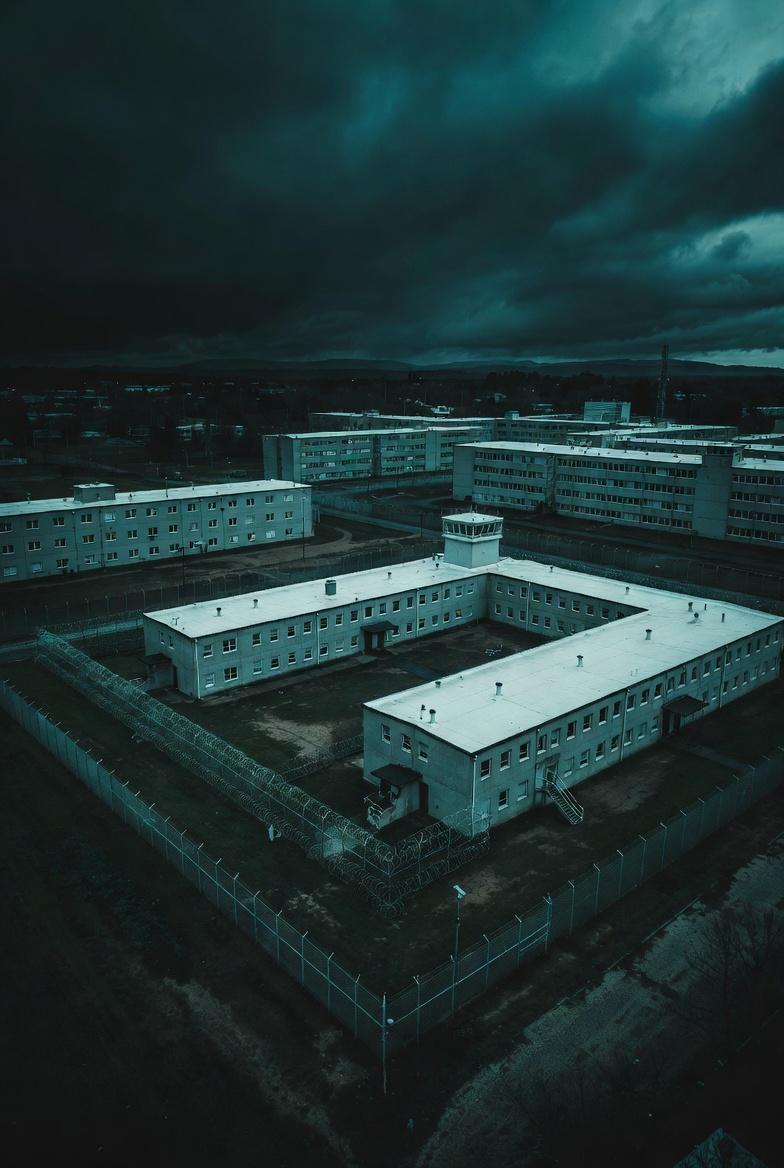
CDCR - Salt Creek Adult Conservation (Fire) Camp #7
State Prison | California County — California
Salt Creek Adult Conservation (Fire) Camp #7 is a medium-security facility operated by the California Department of Corrections and Rehabilitation in Paskenta, located in Tehama County in Northern California. The camp is situated at 10655 Round Valley Road in a remote, mountainous region ideal for conservation work and wildfire response training. As part of California's conservation camp program, this facility houses male inmates who have been selected to participate in wildland firefighting and emergency response activities throughout the state.
Families seeking to locate an inmate at Salt Creek Camp #7 can use the CDCR inmate locator system. Maintaining contact with incarcerated loved ones is possible through scheduled visitation, sending money for commissary purchases, and regular mail correspondence. Understanding the facility's specific rules and procedures helps families stay connected while their loved ones serve their sentences and participate in the conservation camp program.
Salt Creek Adult Conservation Camp #7 is distinguished as one of California's specialized fire camps where inmates volunteer to serve as trained wildland firefighters. These conservation camps represent a unique component of California's correctional system, combining incarceration with essential public service. Inmates at Salt Creek receive intensive training in wildfire suppression, brush clearance, flood control, and other emergency response activities. When wildfires threaten California communities, crews from Salt Creek deploy alongside professional firefighters from CAL FIRE and other agencies. The remote location in the Mendocino National Forest area provides immediate access to conservation projects and fire response opportunities. This program offers participating inmates valuable skills, reduced sentences through good conduct credits, and the opportunity to give back to California communities while serving their time.
Salt Creek Camp #7 houses a carefully selected population of male inmates who have volunteered for the conservation camp program. Eligibility requirements are strict: inmates must be minimum-security classified with no history of violent crimes, sexual offenses, arson, or gang affiliation. Most participants are serving sentences for non-violent offenses including property crimes, drug-related convictions, and other lower-level felonies. Inmates typically have demonstrated good institutional behavior and have less than four years remaining on their sentences. The population consists entirely of sentenced inmates rather than pre-trial detainees. Physical fitness is essential as the work demands are substantial. Participants must pass medical clearance and maintain disciplinary records to remain in the program. The conservation camp assignment is considered a privilege, and inmates who violate rules face transfer back to traditional prison facilities.
Living conditions at Salt Creek Camp #7 differ significantly from traditional prison facilities, reflecting the camp's work-focused mission and the privilege status of assignment there. Inmates typically reside in dormitory-style barracks rather than cells, with less restrictive housing arrangements than standard prisons. The remote location and outdoor work assignments mean inmates spend considerable time outside the living quarters. Meals are provided to meet the caloric needs of physically demanding firefighting and conservation work. Recreation opportunities exist but are limited compared to larger facilities due to the camp's small size and primary focus on emergency response readiness. Medical services are available on-site for routine needs, with serious medical issues requiring transport to other facilities. Mental health services follow CDCR standards. The camp maintains a grievance process consistent with department policies, though the smaller population and different environment often result in more direct communication between inmates and staff. The less restrictive atmosphere reflects the volunteer nature and trusted status of conservation camp participants.
Programs at Salt Creek Camp #7 center primarily around wildland firefighting training and conservation work skills development. Inmates receive comprehensive instruction in fire suppression techniques, chainsaw operation, hand tool use, emergency first aid, and wilderness survival. Physical fitness training is ongoing to maintain readiness for emergency deployments. Educational opportunities may include GED preparation for those without high school diplomas, though academic programs are more limited than at larger facilities due to the camp's specialized mission. Substance abuse programming is available as many inmates have histories of drug or alcohol-related offenses. Religious services and pastoral visits occur regularly. Re-entry preparation focuses on translating firefighting and conservation skills into civilian employment opportunities upon release. Some inmates earn certifications valuable for forestry, landscaping, or emergency services careers. The work experience itself serves as vocational training, teaching discipline, teamwork, and specialized technical skills that enhance post-release employment prospects.
Work assignments at Salt Creek Camp #7 focus almost exclusively on conservation projects and emergency response rather than traditional prison industries. Inmates work as part of hand crews performing fuel reduction projects, clearing brush and vegetation to create firebreaks, trail maintenance, habitat restoration, and other conservation activities in surrounding forest areas. When wildfires occur anywhere in California, crews deploy on short notice to assist with containment and suppression efforts, often working extended shifts in challenging conditions. Additional assignments include flood control work, storm damage cleanup, and assisting with other natural disasters. Camp maintenance duties including food service, grounds keeping, and facility upkeep are rotated among inmates. Unlike traditional prisons with manufacturing or agricultural operations, the production focus here is public service and emergency response work that directly benefits California communities and natural resources.
Salt Creek Adult Conservation Camp #7 was established as part of California's conservation camp program, a partnership between the California Department of Corrections and Rehabilitation and CAL FIRE that dates back decades. The program originated during World War II when incarcerated men were first used to fight wildfires as civilian firefighting resources were depleted. The Paskenta location in Tehama County was selected for its proximity to forested areas requiring fire protection and conservation work. The remote site in the Round Valley area provides access to both public and private lands needing vegetation management and emergency response capability. Over the years, crews from Salt Creek have responded to numerous major California wildfires and natural disasters. The camp has evolved with improved training standards, equipment, and safety protocols while maintaining its core mission. Today it continues serving as an essential component of California's wildfire response infrastructure while offering participating inmates opportunities for rehabilitation through meaningful public service work.
Visitation at Salt Creek Camp #7 follows CDCR guidelines but families should contact the facility directly to confirm current schedules and procedures as conservation camps often have different protocols than traditional prisons. Visitors must bring valid government-issued photo identification and will likely need prior approval before their first visit. Dress codes prohibit clothing resembling inmate attire or that is deemed inappropriate or revealing. The remote location requires advance planning as Paskenta is far from major population centers. Visiting schedules may be affected by fire season deployments when crews are away from camp for extended periods. Physical contact regulations, approved items, and duration of visits follow CDCR standards but may be more relaxed than higher-security facilities. Families should call ahead to verify visiting hours, confirm their loved one is at the facility and not deployed, and understand current rules before making the often lengthy journey to this remote location.
Mail sent to inmates at Salt Creek Camp #7 must include the inmate's full name, CDCR number, and the complete facility address: 10655 Round Valley Road, Paskenta, CA 96074. All incoming mail is inspected according to CDCR regulations. Books and magazines must typically come directly from approved vendors or publishers rather than individual senders. Inmates can make outgoing phone calls using the facility's telephone system once they establish approved contact lists and phone accounts. Families can set up prepaid or collect call accounts through the contracted telephone service provider. Some CDCR facilities offer electronic messaging services, though availability at conservation camps should be verified. Due to frequent deployments for firefighting assignments, communication may be interrupted when crews are working fires or other emergencies away from the camp. Families should maintain patience during fire season when contact may be limited.
Sponsored and Powered by our Partner TruthFinder
Quick Facts
Should I Be Concerned? — Family Guide
With 0 staff assaults recorded and a Medium security designation, Salt Creek Fire Camp #7 maintains a relatively stable environment typical of specialized work camps. The facility's focus on conservation and firefighting tends to attract motivated inmates engaged in purposeful programming. Visit safety is generally good; plan ahead for visitation scheduling and bring required identification for entry to this remote Northern California location.
Neighborhood & Getting There
Salt Creek Fire Camp #7 is located in rural Tehama County near Paskenta, approximately 120 miles north of Sacramento and 90 miles south of Redding. The remote foothill location provides scenic surroundings but limited nearby amenities. Visitors should plan 2-3 hours driving from Sacramento metro area. Lodging options are sparse in Paskenta; Red Bluff (30 miles south) offers hotels and highway services. US Route 99 provides primary access to the region.