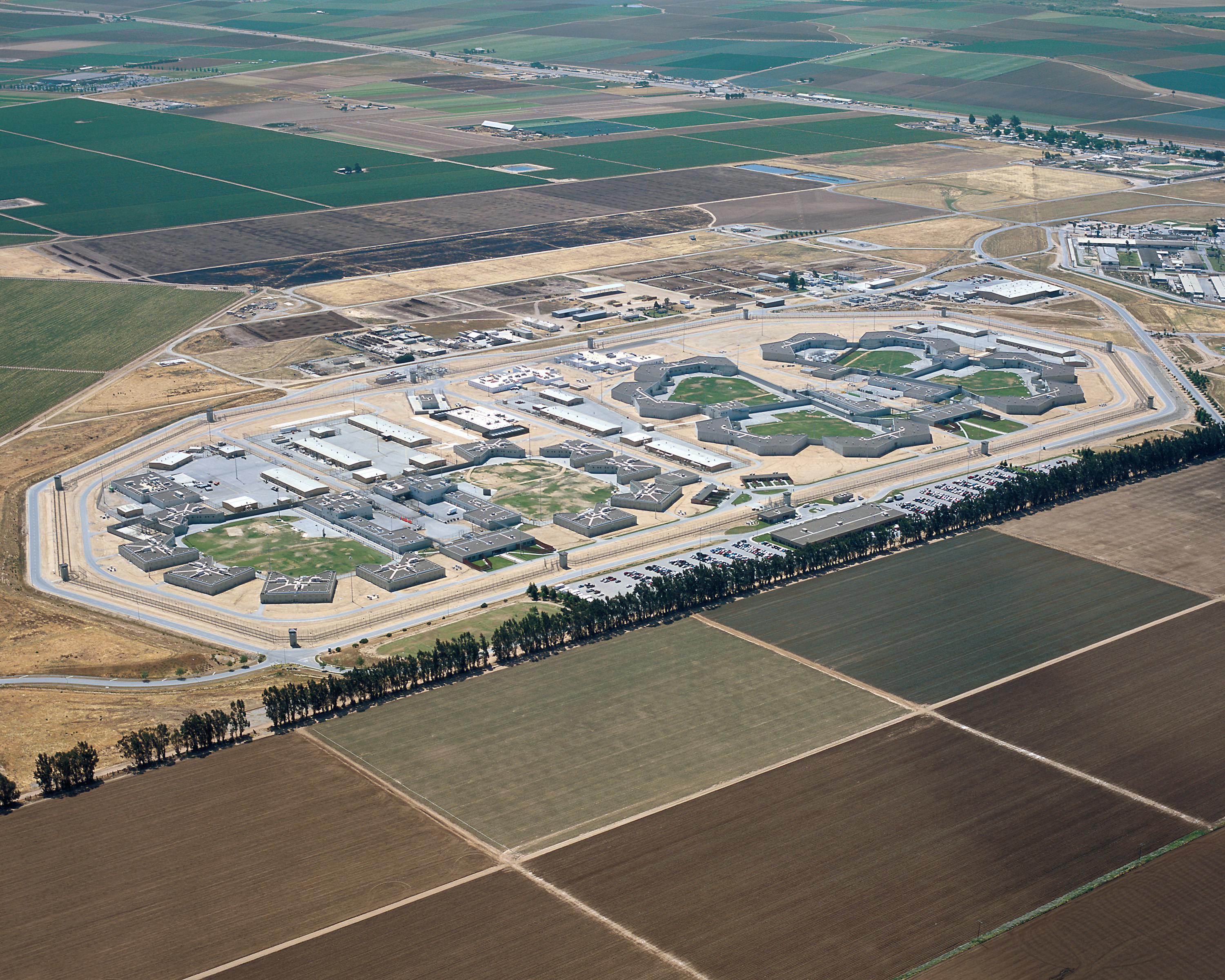
Salinas Valley State Prison (SVSP)
State Prison | Monterey County — California | California Department of Corrections and Rehabilitation
Salinas Valley State Prison (SVSP) is a multi-level security facility located at 31625 Highway 101 in Soledad, Monterey County, California. Operated by the California Department of Corrections and Rehabilitation, this prison opened in 1996 and currently houses 3,331 inmates in a facility designed for 2,452. SVSP accommodates both male and female offenders across minimum, medium, and maximum security classifications under the leadership of Warden William Muniz.
Families seeking information about incarcerated individuals at SVSP can conduct inmate searches through the California Department of Corrections database. Resources are available for sending money to inmates, scheduling visits, and accessing arrest records. Understanding facility procedures helps families maintain meaningful connections with their loved ones during incarceration.
Salinas Valley State Prison stands out in the California corrections system as one of the state's newer facilities built during the prison expansion era of the 1990s. Its location along Highway 101 in the Salinas Valley places it within California's agricultural heartland, adjacent to the historic town of Soledad that has hosted correctional facilities since 1946. Unlike older California prisons, SVSP was designed with modern security infrastructure and classification protocols from its inception. The facility's ability to house multiple security levels within one complex allows for efficient inmate management and transfer within the system, serving as a significant processing and long-term custody institution in Central California.
Salinas Valley State Prison houses a diverse inmate population of 3,331 individuals across its minimum, medium, and maximum security units, significantly exceeding its designed capacity of 2,452. The facility primarily holds sentenced adult offenders serving time for felony convictions ranging from property crimes to violent offenses. Classification assignments depend on factors including criminal history, institutional behavior, sentence length, and security needs. Maximum security units typically house inmates convicted of serious violent crimes or those with extensive disciplinary records, while medium and minimum security levels accommodate lower-risk offenders. SVSP also maintains special housing units for administrative segregation and protective custody cases. The prison population includes both male and female offenders, though they are housed in separate designated areas.
Inmates at Salinas Valley State Prison are housed in various configurations based on their security classification, ranging from dormitory-style settings in minimum security to double-bunked cells in higher security levels. Daily meals are served at scheduled times in dining halls or delivered to cells depending on security level and institutional status. Recreation opportunities include outdoor yard time, basketball courts, and exercise equipment, though access varies by housing unit and security level. Medical services are provided on-site through a health care facility staffed by clinicians and nurses, with referrals available for specialized care. Mental health services include crisis intervention, medication management, and individual or group counseling. Inmates experiencing issues with conditions or staff interactions can file grievances through the administrative appeals process, which provides multiple review levels. The overcrowded conditions, with occupancy at approximately 136 percent of design capacity, impact access to programs and services throughout the facility.
Salinas Valley State Prison offers educational programs including adult basic education and GED preparation to help inmates achieve high school equivalency credentials. Vocational training opportunities provide job skills in trades that support employment prospects upon release. Substance abuse treatment programs address addiction issues through cognitive behavioral therapy and group counseling sessions. Religious and spiritual services accommodate various faith traditions with chapel facilities and volunteer clergy visits. Re-entry programs focus on life skills, employment readiness, and transition planning to prepare inmates for successful community reintegration. Program availability and enrollment depend on security level, sentence length, behavior classification, and facility resources. Participation in rehabilitative programming can positively impact parole considerations and institutional privileges.
Inmates at Salinas Valley State Prison participate in various work assignments that support facility operations and provide job skills. Inside job assignments include kitchen duty, janitorial services, laundry operations, maintenance crews, and facility groundskeeping. Inmate workers also staff the library, assist in educational programs, and perform clerical tasks under staff supervision. Some inmates qualify for work assignments related to facility construction and repairs. These work opportunities provide modest wages that inmates can use for commissary purchases and personal expenses while developing work habits and responsibility. Assignment eligibility depends on security classification, behavior history, and institutional needs.
Salinas Valley State Prison opened in 1996 as part of California's major prison construction initiative during the 1990s, responding to rapid inmate population growth driven by tough-on-crime policies and longer sentencing laws. The facility was built in Soledad, a community with a long correctional history dating back to the 1940s, joining other nearby prison facilities in the area. Construction reflected modern correctional design principles with enhanced security features and improved classification capabilities. The prison was designed to accommodate multiple security levels in one complex, providing operational flexibility for the California Department of Corrections. Since opening, SVSP has faced the challenges common to California prisons, including chronic overcrowding that has pushed its population well beyond design capacity. Today, under Warden William Muniz, the facility continues serving as a significant custody institution in the state corrections system.
Visiting an inmate at Salinas Valley State Prison requires advance approval through the visitor application process, where prospective visitors must submit personal information and undergo background screening. Approved visitors must present valid government-issued photo identification upon arrival. Dress code regulations prohibit revealing clothing, gang-related items, and colors that resemble inmate attire. Visitation schedules vary by housing unit and security level, with specific days and times assigned to different inmate populations. Contact visits may be permitted for lower security classifications, while higher security inmates typically receive non-contact visits. Visitors should expect security screening including metal detectors and possible searches. Families should call the facility ahead of travel to confirm current visitation policies, schedules, and any temporary restrictions.
To send mail to an inmate at Salinas Valley State Prison, address correspondence with the inmate's full name and CDCR identification number, followed by PO Box 1050, Soledad, CA 93960-1050. All incoming mail undergoes inspection for prohibited items and contraband. Inmates can receive books and magazines only when shipped directly from approved vendors or publishers. Telephone communication is available through the prison's phone system, which requires inmates to establish approved calling lists and families to set up prepaid accounts with the designated phone service provider. Some inmates may have access to electronic messaging services depending on security level and institutional programs, though availability varies throughout the facility.
Sponsored and Powered by our Partner TruthFinder
Quick Facts
Should I Be Concerned? — Family Guide
Salinas Valley State Prison is a large, mixed-custody facility managing minimum through maximum-security inmates. With zero reported staff assaults, the facility maintains reasonable safety protocols, though significant overcrowding (136% capacity) may affect conditions. Visitors should expect security procedures appropriate to the inmate's housing unit. Plan visits well in advance, verify visitation eligibility with the facility, and allow extra time for entry processing at this secure location.
Neighborhood & Getting There
Soledad is a small rural community in Monterey County's Salinas Valley, approximately 20 miles south of Salinas and 100 miles south of San Francisco. The prison is located directly on Highway 101, making access straightforward but situated in an isolated agricultural area. Limited lodging exists in Soledad itself; most visitors stay in nearby Salinas (30 minutes away) where hotels and services are more readily available. The region is characterized by farmland and sparse development.