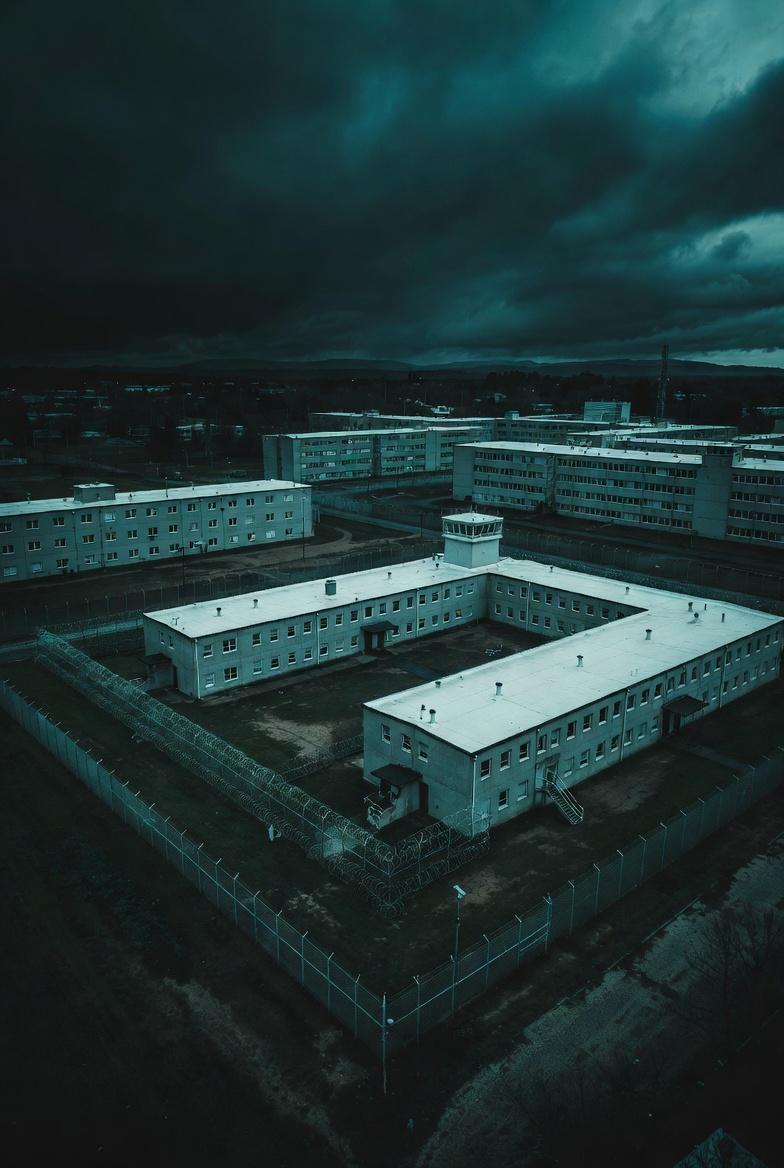
CDCR - Prado Adult Conservation (Fire) Camp #28
State Prison | California County — California
CDCR - Prado Adult Conservation (Fire) Camp #28 is a medium-security conservation camp located in Chino, San Bernardino County, California. Operated by the California Department of Corrections and Rehabilitation, this facility houses male inmates who have been selected for the state's conservation camp program. The camp is situated at 14467 Central Avenue, serving as one of California's network of fire camps that provide trained inmate firefighting crews for wildfire suppression and emergency response throughout the state.
Families seeking inmate information can conduct searches through the CDCR inmate locator system. To send money to inmates at Prado Camp #28, families should use approved CDCR payment methods. Visitation policies follow standard California conservation camp guidelines, and families are encouraged to verify current rules before traveling. Arrest records and booking information are maintained by San Bernardino County authorities and the California Department of Corrections.
Prado Adult Conservation (Fire) Camp #28 functions as a specialized firefighting facility within the California correctional system. Inmates at this camp are trained as wildland firefighters and work alongside the California Department of Forestry and Fire Protection during wildfire season. This camp provides a unique opportunity for eligible inmates to gain valuable skills, work outdoors, and contribute to public safety through fire suppression and prevention activities. Conservation camp inmates typically experience less restrictive custody conditions compared to traditional prisons, with dormitory-style housing and a focus on outdoor labor. The program offers reduced sentences through enhanced work credits for those who successfully participate in firefighting operations.
Prado Adult Conservation Camp #28 houses male inmates who have been carefully screened and approved for conservation camp placement. Eligibility requirements typically exclude inmates with violent crime convictions, sex offenses, or those with certain medical restrictions. The population primarily consists of sentenced inmates serving time for non-violent offenses who have demonstrated good institutional behavior. Inmates must have minimum-security classification status and be within a certain timeframe of their release date to qualify. Physical fitness is essential, as the work demands rigorous outdoor labor and firefighting activities. The camp typically houses inmates who are willing to work cooperatively and follow the structured program requirements, creating a population focused on rehabilitation through meaningful public service work.
Inmates at Prado Adult Conservation Camp #28 live in dormitory-style barracks rather than traditional prison cells, reflecting the camp's less restrictive custody level. Housing accommodations are designed for functionality and ready deployment during fire emergencies. Meals are provided in a communal dining hall, with nutrition geared toward supporting the physical demands of firefighting and conservation work. Recreation opportunities include outdoor activities when not engaged in work assignments, though schedules are dictated by operational needs and fire season demands. Medical services are available on-site for routine care, with more serious medical needs addressed through coordination with other CDCR facilities or community healthcare providers. Mental health services follow standard CDCR protocols, with counseling available as needed. The grievance process allows inmates to formally address concerns through established CDCR administrative channels, ensuring accountability and proper resolution of issues that arise during their camp placement.
CDCR - Prado Adult Conservation Camp #28 focuses primarily on firefighting and conservation training as its core program. Inmates receive comprehensive wildland firefighting instruction, including fire behavior, suppression techniques, tool safety, and emergency response protocols. While the emphasis is on work-based learning, educational opportunities such as GED preparation may be available through correspondence or limited on-site instruction. Vocational skills gained include chainsaw operation, hand tool use, equipment maintenance, and teamwork in emergency situations. Substance abuse programming may be offered to address rehabilitation needs, helping inmates overcome addiction issues. Religious services and spiritual counseling are typically available through visiting chaplains or volunteer faith groups. Re-entry preparation focuses on leveraging conservation camp experience into post-release employment opportunities, with firefighting credentials potentially opening doors to careers in forestry, emergency services, or related fields.
The primary work assignment at Prado Adult Conservation Camp #28 involves wildland firefighting and natural resource conservation. Inmates serve on hand crews that respond to wildfires throughout California, clearing fire lines, conducting mop-up operations, and supporting professional firefighters. During non-fire season, crews engage in conservation projects such as trail maintenance, habitat restoration, vegetation management, and fuel reduction work to prevent future fires. Inside camp operations include facility maintenance, food service, and general housekeeping duties necessary to maintain the camp infrastructure. These work assignments provide inmates with practical skills, physical conditioning, and a sense of purpose through public service contributions that directly benefit California communities.
CDCR - Prado Adult Conservation Camp #28 was established as part of California's longstanding conservation camp program, which has partnered incarcerated individuals with state fire suppression efforts for decades. The California conservation camp system began in the 1940s, utilizing minimum-security inmates for forestry and fire prevention work during a period when labor shortages necessitated creative solutions. Located in Chino, the Prado camp has served the Southern California region, providing trained fire crews during the area's increasingly challenging wildfire seasons. The facility has operated through various expansions and modifications to the broader CDCR conservation camp network, adapting to changing fire management needs and correctional policies. Today, Prado Camp #28 continues its mission of training and deploying inmate firefighting crews while offering participants a pathway toward successful reintegration through meaningful work experience and skill development.
Visitation at CDCR - Prado Adult Conservation Camp #28 follows California Department of Corrections and Rehabilitation guidelines for conservation camps. Visitors must bring valid government-issued photo identification and be on the inmate's approved visitor list, which requires prior application and background clearance through CDCR. Dress code requirements prohibit clothing that resembles inmate attire or is overly revealing, ensuring facility security and appropriate conduct. Visitation scheduling may be limited due to the camp's operational needs, particularly during fire season when crews may be deployed on emergency assignments. Families should understand that conservation camp visitation often differs from traditional prison visits, with potential for more relaxed conditions when inmates are available. It is essential to call ahead to confirm visitation hours, verify current policies, and ensure the inmate is present at the facility before traveling to Chino.
To send mail to an inmate at CDCR - Prado Adult Conservation Camp #28, correspondence should be addressed with the inmate's full name, CDCR number, and the facility address: 14467 Central Avenue, Chino, CA 91710. All incoming mail is subject to inspection according to CDCR regulations. Books and magazines must typically be sent directly from approved vendors or publishers to comply with security protocols. Inmates can make telephone calls through the facility's phone system, which requires families to establish prepaid accounts with the approved telephone service provider. Email and electronic messaging availability depends on current CDCR technology programs, which families should verify through official department resources. Contact methods help maintain family connections that support successful rehabilitation and reintegration.
Sponsored and Powered by our Partner TruthFinder
Quick Facts
Should I Be Concerned? — Family Guide
Prado Fire Camp #28 maintains a medium security classification with zero reported staff assaults, indicating a relatively stable facility environment. As a conservation camp, this facility emphasizes work-based rehabilitation and community service, which typically correlates with lower violence rates than traditional prisons. When visiting, plan ahead by confirming visiting schedules, bring valid identification, and arrive early to complete security screening procedures.
Neighborhood & Getting There
CDCR - Prado Adult Conservation (Fire) Camp #28 is located in Chino, California, in San Bernardino County, approximately 35 miles east of Los Angeles. The facility sits in the Inland Empire region near major transportation corridors including Interstate 10 and CA-60. Chino offers basic hotel accommodations and amenities along Central Avenue and nearby Highway 71. The drive from downtown Los Angeles takes approximately 50-60 minutes depending on traffic conditions. Ontario International Airport provides the nearest major air access, roughly 20 miles away.