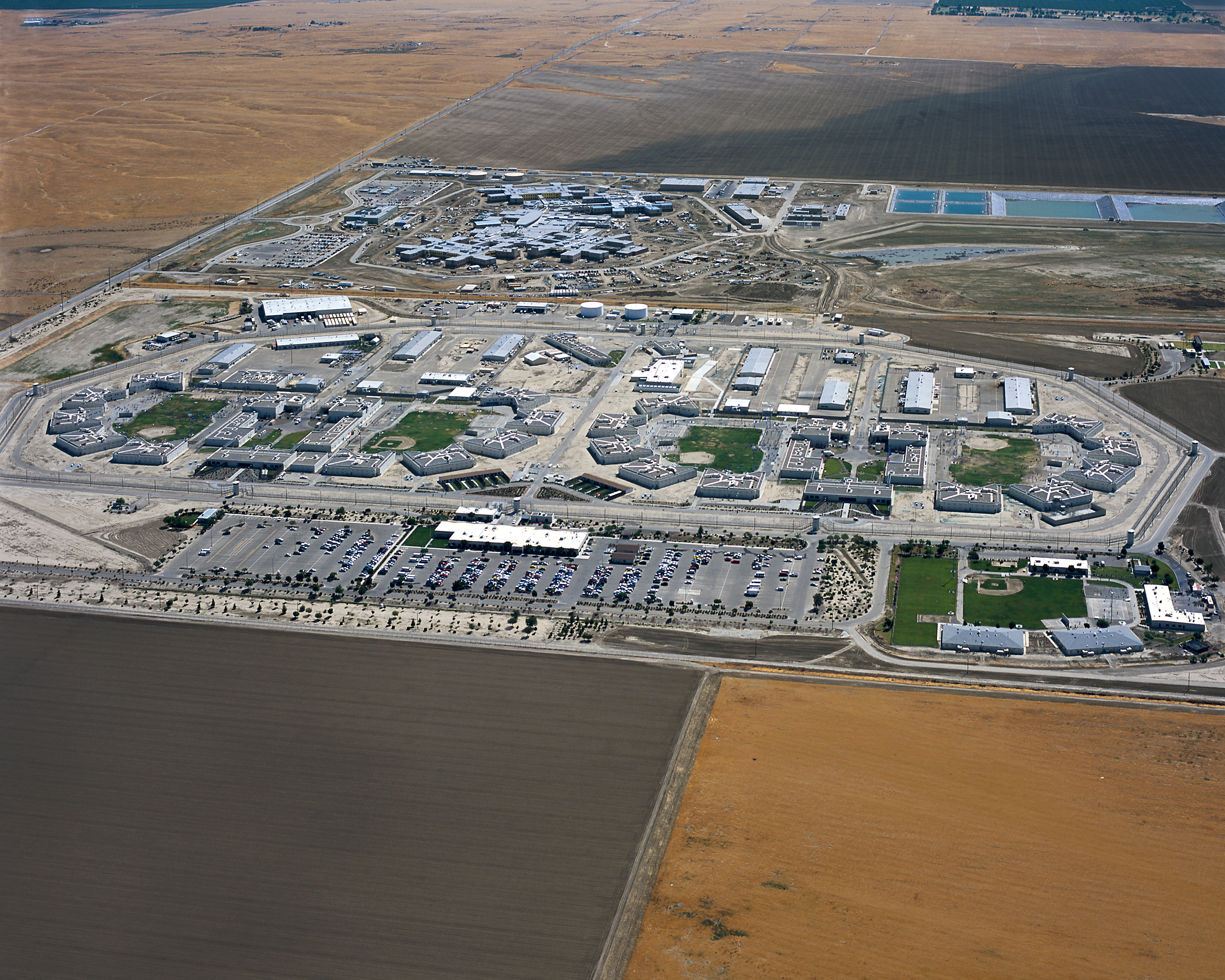
Pleasant Valley State Prison (PVSP)
State Prison | Fresno County — California | California Department of Corrections and Rehabilitation
Pleasant Valley State Prison is located at 24863 West Jayne Avenue in Coalinga, Fresno County, California. Operated by the California Department of Corrections and Rehabilitation, this facility houses both male and female inmates across minimum, medium, and maximum security classifications. Currently holding 3,123 inmates against a design capacity of 2,308, PVSP operates significantly above its intended population. Warden Scott Frauenheim oversees daily operations at this multi-level security institution established in 1994.
Families seeking information about incarcerated loved ones can search inmate records through the California Department of Corrections database. Resources for sending money, scheduling visits, and accessing arrest records are available to help families maintain contact with inmates at Pleasant Valley State Prison throughout their incarceration.
Pleasant Valley State Prison stands out within the California corrections system as one of the few facilities designed to house inmates across all three security levels under one administrative umbrella. This multi-classification structure allows the institution to manage diverse inmate populations with varying custody requirements simultaneously. The prison's location in Coalinga, situated in California's Central Valley agricultural region, provides geographic isolation while supporting multiple housing units that can segregate populations by security need. This operational flexibility enables PVSP to accommodate classification changes without requiring inmates to transfer between facilities, providing continuity in programming and family visitation accessibility for those with relatives in Central California.
Pleasant Valley State Prison houses 3,123 inmates serving sentences in the California state correctional system. The facility manages a diverse population across minimum, medium, and maximum security classifications, with inmates convicted of various felony offenses ranging from property crimes to violent felonies. As a state prison rather than a county jail, PVSP holds convicted individuals serving sentences exceeding one year, not pre-trial detainees. The inmate population includes both male and female offenders housed in separate designated areas appropriate to their custody level. Special management populations may include protective custody inmates, those requiring enhanced outpatient mental health services, and individuals participating in specialized rehabilitation programs. The current population exceeds design capacity by approximately 815 inmates, reflecting ongoing overcrowding challenges within California's correctional system.
Inmates at Pleasant Valley State Prison are housed in various unit configurations based on their security classification, ranging from dormitory-style housing for minimum security inmates to secure cells for maximum custody individuals. Housing assignments consider custody level, programming needs, and behavioral history. Inmates receive three meals daily prepared in institutional kitchens following nutritional standards established by the California Department of Corrections. Recreation opportunities include outdoor yard time, indoor dayrooms, and access to exercise equipment depending on security level and facility resources. Medical services are provided through on-site healthcare staff addressing routine and urgent medical needs, with specialized care available through referrals. Mental health services include crisis intervention, outpatient treatment, and psychiatric care for inmates with diagnosed conditions. The institution maintains a formal grievance process allowing inmates to address concerns regarding living conditions, staff conduct, or policy violations through written appeals reviewed at multiple administrative levels. Library access and limited personal property privileges vary by housing unit and custody designation.
Pleasant Valley State Prison offers educational programs including adult basic education and GED preparation for inmates seeking to complete their high school equivalency. Vocational training opportunities provide inmates with marketable skills in trades such as carpentry, landscaping, and building maintenance to improve employment prospects upon release. Substance abuse treatment programs address addiction issues through cognitive behavioral interventions and group counseling sessions. Religious and spiritual services accommodate various faith traditions through volunteer chaplains and designated worship spaces. Re-entry programming focuses on transition planning, including assistance with securing identification documents, connecting with community resources, and developing release plans. Academic and vocational program availability depends on security classification, facility capacity, and individual eligibility based on sentence length and institutional conduct. Participation in these programs can positively impact classification reviews and parole considerations while helping inmates develop skills essential for successful community reintegration.
Work assignments at Pleasant Valley State Prison include facility maintenance positions such as janitorial services, kitchen workers, laundry operations, and groundskeeping duties. Inmates may work in institutional support roles including barber services, building maintenance, and warehouse operations. The prison participates in California Prison Industry Authority programs where eligible inmates gain employment experience in structured work environments producing goods or providing services. Outdoor work crews perform landscape maintenance and agricultural tasks on prison grounds. Work assignments are determined by custody level, with minimum security inmates eligible for less supervised positions and maximum security inmates limited to closely monitored assignments within secure perimeters. Participation in work programs provides inmates with modest wages, reduces idleness, and develops work habits beneficial for post-release employment.
Pleasant Valley State Prison opened in 1994 as part of California's prison expansion during a period of significant population growth in the state correctional system. The facility was constructed in Coalinga to address increasing demands for secure housing capacity and to provide employment opportunities in the rural Central Valley community. Designed as a multi-level security institution, PVSP was built to manage diverse inmate populations efficiently within a single administrative structure. Over its operational history, the prison has adapted to changing correctional philosophies, including implementing rehabilitation programming alongside custody operations. The facility has experienced the challenges common to California prisons, including overcrowding issues that have persisted for much of its existence. Currently operating at approximately 135 percent of design capacity, Pleasant Valley State Prison continues serving as a significant component of California's corrections infrastructure, housing inmates from throughout the state while providing secure custody and programming under Warden Scott Frauenheim's leadership.
Visitation at Pleasant Valley State Prison requires all visitors to complete an application and receive approval before scheduling visits. Valid government-issued photo identification is mandatory for all adult visitors. The dress code prohibits clothing resembling inmate attire, excessively revealing garments, and specific colors designated by institutional policy. Visitors should expect security screening including metal detectors and possible searches upon entry. Visitation schedules vary by housing unit and inmate custody level, with specific days and times assigned based on these factors. Minor children must be accompanied by a parent or legal guardian with proper documentation. Approved visitors may bring limited personal items such as small amounts of money for vending machines. Families planning visits should contact the institution in advance to confirm current visitation policies, scheduling procedures, and any temporary restrictions that may affect visiting hours or procedures.
Mail sent to inmates at Pleasant Valley State Prison must include the inmate's full legal name, CDCR identification number, and the facility mailing address: PO Box 8500, Coalinga, CA 93210. All incoming mail undergoes inspection for contraband and security purposes. Books and publications must be sent directly from approved vendors or publishers rather than from individuals to comply with institutional security policies. Inmates can receive telephone privileges through prepaid collect calling accounts established by friends and family members. Correspondents should write clearly and avoid including prohibited content such as gang references, escape plans, or explicit materials. Processing times for incoming mail vary, and families should allow several days for delivery and institutional screening before inmates receive correspondence.
Sponsored and Powered by our Partner TruthFinder
Quick Facts
Should I Be Concerned? — Family Guide
Pleasant Valley State Prison maintains a mixed-custody environment with security measures appropriate for minimum through maximum security inmates. The facility's zero staff assault incidents on record is a positive safety indicator. With occupancy exceeding capacity, visitors should expect standard security procedures and potential wait times. Plan ahead by confirming your inmate's location and custody level before visiting, and arrive early for processing.
Neighborhood & Getting There
Pleasant Valley State Prison is located in Coalinga, a remote town in Fresno County, approximately 150 miles northwest of Fresno and 200 miles southeast of San Francisco. The facility sits in California's sparsely populated Central Valley. Coalinga offers limited lodging; nearest hotels cluster along I-5 near Kettleman City (45 minutes south) or further toward Fresno. Plan 3-4 hours driving time from the Bay Area. The region is rural with minimal services nearby the prison itself.