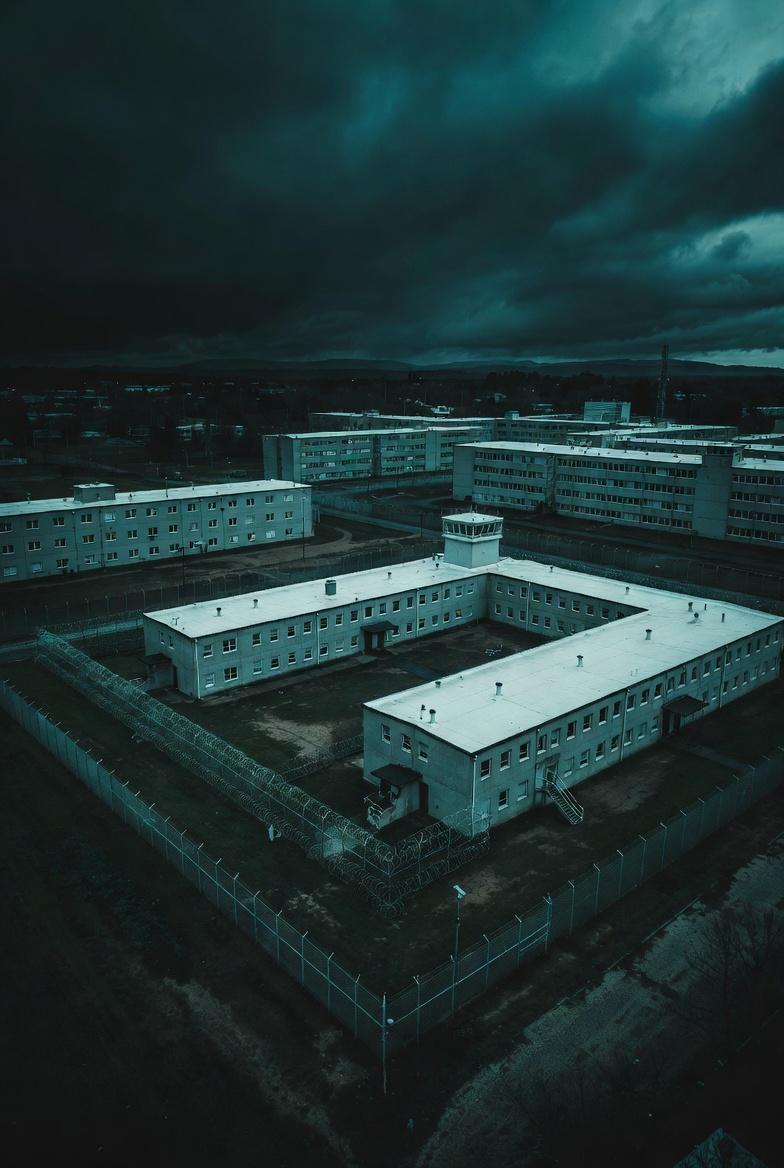
CDCR - Pilot Rock Adult Conservation (Fire) Camp #15 is a medium-security conservation camp located in Crestline, California, in the San Bernardino Mountains. The facility is operated by the California Department of Corrections and Rehabilitation and houses male inmates who participate in wildfire suppression and conservation work throughout the region. Conservation camps represent a unique component of California's correctional system, combining custody with emergency response capabilities.
Families seeking to locate an inmate at Pilot Rock Conservation Camp can use the CDCR inmate locator system. The facility accepts visits, mail correspondence, and phone communications according to CDCR regulations. Loved ones can send money to inmate accounts for commissary purchases and learn about arrest records through appropriate channels.
Pilot Rock Adult Conservation Camp #15 is distinguished as one of California's specialized conservation fire camps that trains and deploys inmates as wildland firefighters. Inmates assigned to this facility must meet specific eligibility criteria, including physical fitness standards and behavior classifications that exclude violent offenders. The camp operates in partnership with the California Department of Forestry and Fire Protection (CAL FIRE), positioning crews to respond rapidly to wildfires and natural disasters throughout California. Located in the mountainous terrain near Crestline, the camp provides essential fire protection services to the San Bernardino National Forest region while offering inmates meaningful work experience and reduced security housing.
Pilot Rock Conservation Camp houses male inmates who have been carefully screened and selected for conservation camp placement. Eligible inmates must be classified as minimum or medium security, demonstrate good institutional behavior, and have no history of violent crimes, sexual offenses, or arson convictions. Most inmates at conservation camps are serving sentences for non-violent offenses including property crimes, drug-related offenses, and other lower-level felonies. Inmates must be physically capable of performing strenuous wildland firefighting duties and typically have shorter sentences remaining on their terms. The selection process ensures that participants can safely work in less restrictive environments while contributing to California's emergency response infrastructure. Conservation camp inmates are considered sentenced offenders rather than pre-trial detainees.
Living conditions at Pilot Rock Conservation Camp differ significantly from traditional correctional facilities due to its conservation camp designation. Housing typically consists of dormitory-style barracks rather than individual cells, reflecting the reduced security environment and focus on work crew cohesion. Inmates follow a structured daily schedule that includes physical training, camp maintenance, project work, and readiness for emergency fire response deployments. Meals are provided to support the physically demanding nature of conservation and firefighting work. Medical services are available on-site for routine care, with more serious conditions referred to nearby medical facilities or CDCR medical centers. Mental health services follow CDCR protocols. Recreation opportunities may be more limited than traditional prisons due to the work-focused mission of the camp. The grievance process follows standard CDCR procedures, allowing inmates to formally address concerns about conditions or treatment through established administrative channels.
Programs at Pilot Rock Conservation Camp center primarily on wildland firefighting training and conservation work skills. Inmates receive extensive instruction in fire suppression techniques, chainsaw operation, hand tool use, safety protocols, and emergency response procedures. The hands-on training prepares inmates for potential careers in forestry, firefighting, or related fields upon release. While educational programs like GED preparation may be available depending on resources and population needs, the camp's primary focus remains on conservation work and emergency response readiness. Substance abuse programming may be offered through individual counseling or group sessions. Religious services are typically provided through visiting chaplains or volunteers. Re-entry planning assists inmates in transitioning back to their communities, with particular emphasis on connecting participants to fire service employment opportunities with various California agencies that value conservation camp experience.
Work assignments at Pilot Rock Conservation Camp focus almost exclusively on conservation, fire prevention, and emergency response activities. Inmates serve on hand crews that respond to wildfires throughout California, working alongside CAL FIRE and other firefighting agencies. During non-fire seasons, crews perform critical conservation projects including fuel reduction work, trail maintenance, clearing defensible space around communities, erosion control, and habitat restoration in the surrounding national forest lands. Camp maintenance duties such as cooking, cleaning, and grounds keeping are handled by inmates on a rotational basis. The work performed by conservation camp inmates provides substantial value to California's natural resource management and public safety infrastructure.
The history of Pilot Rock Adult Conservation Camp #15 is part of California's broader conservation camp program, which dates back to 1946 when the state established the first inmate fire crews. The conservation camp system was created to address California's recurring wildfire challenges while providing rehabilitation opportunities for inmates through meaningful work. Pilot Rock specifically serves the San Bernardino Mountains region, an area with significant wildfire risk and conservation needs. The camp has evolved over the decades in response to changing fire seasons, correctional policies, and emergency management strategies. Conservation camps have faced challenges in recent years, including declining inmate populations due to criminal justice reforms and competing labor needs within CDCR facilities. Despite these challenges, Pilot Rock continues to fulfill its dual mission of public safety and inmate rehabilitation through conservation work and fire response capabilities.
Visitation at Pilot Rock Conservation Camp follows CDCR regulations with some modifications reflecting the camp's conservation mission. Visitors must be approved in advance through the CDCR visitor application process and provide valid government-issued photo identification upon arrival. Dress codes prohibit clothing that resembles inmate attire or is considered inappropriate. Due to the camp's work-focused schedule and potential fire deployments, visiting hours and availability may differ from traditional prisons. When crews are deployed to fire incidents, visitation may be temporarily suspended. Families should contact the facility directly before traveling to confirm visiting schedules, obtain current rules, and verify that their loved one is present at the camp rather than deployed on assignment. The visiting environment at conservation camps is generally less restrictive than higher-security facilities.
To send mail to an inmate at Pilot Rock Conservation Camp, address correspondence with the inmate's full legal name, CDCR identification number, followed by the facility address: PO Box 10, Crestline, CA 92325. All incoming mail is subject to inspection according to CDCR regulations. Inmates may receive books, magazines, and newspapers only when shipped directly from approved vendors or publishers. Money can be deposited into inmate accounts through approved CDCR methods for commissary purchases. Telephone communication is available through the facility's inmate phone system, which requires establishment of a pre-paid account or collect call acceptance. Families should verify current mail policies and communication options as regulations may change.
Sponsored and Powered by our Partner TruthFinder
Quick Facts
Should I Be Concerned? — Family Guide
Pilot Rock Fire Camp #15 maintains a medium security classification with zero reported staff assaults, indicating a relatively safe facility environment. The specialized nature of conservation camp operations typically involves lower-risk inmate populations selected for fire suppression work. When visiting, expect standard security screening procedures and plan visits during designated hours to ensure entry approval.
Neighborhood & Getting There
Located in Crestline, California, in the San Bernardino Mountains region, this facility sits approximately 60 miles east of Los Angeles and about 90 minutes from downtown LA via I-10 and Highway 18. The mountain community offers limited lodging options; visitors typically stay in nearby San Bernardino or Lake Arrowhead areas. The facility is accessible via Highway 18, with basic services available in the small mountain town.