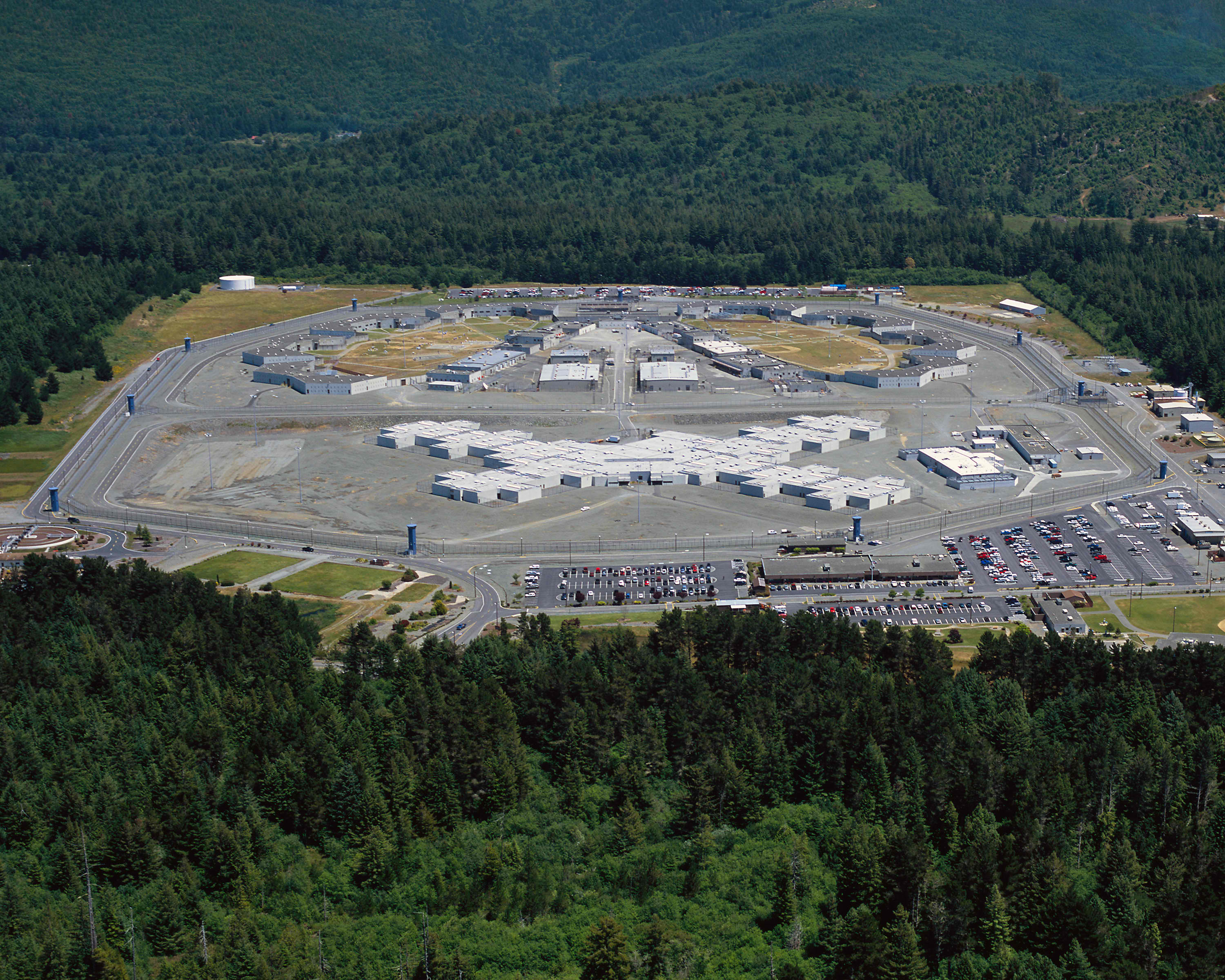
Pelican Bay State Prison (PBSP)
State Prison | Del Norte County — California | California Department of Corrections and Rehabilitation
Pelican Bay State Prison (PBSP) is a maximum security facility located at 5950 Lake Earl Drive in Crescent City, Del Norte County, California. Operated by the California Department of Corrections and Rehabilitation, PBSP houses both male and female inmates. Opened in 1989, the facility currently holds approximately 2,239 inmates with a total capacity of 3,319. Warden Clark Ducart oversees operations at this remote northern California institution.
Families seeking inmate information can search for their loved ones using our directory. This page provides essential details for sending money, scheduling visits, and locating arrest records. Understanding the facility's rules and procedures helps families maintain important connections with incarcerated individuals at Pelican Bay State Prison.
Pelican Bay State Prison is perhaps California's most geographically isolated correctional facility, situated in the far northwestern corner of the state near the Oregon border. The prison gained national attention for its Security Housing Unit (SHU), one of the most restrictive solitary confinement facilities in the United States. PBSP serves as one of California's primary maximum security institutions, housing some of the state's most serious offenders and those requiring the highest levels of custody. The facility's remote location approximately 350 miles north of San Francisco presents unique challenges for families traveling for visits but remains a critical component of California's corrections system for managing high-risk populations.
Pelican Bay State Prison houses a maximum security population of primarily sentenced male inmates, though the facility accommodates female inmates as well. The inmate population consists largely of individuals convicted of violent crimes, gang-affiliated offenders, and those requiring protective custody or disciplinary segregation. PBSP serves as a reception center for male inmates from northern California counties, processing new arrivals before classification and potential transfer. The prison maintains specialized housing units including the Security Housing Unit for inmates presenting serious safety concerns. Population levels fluctuate based on classification needs throughout the California Department of Corrections system, with current numbers at 2,239 inmates. Many residents require long-term incarceration due to lengthy sentences or behavior management considerations within the broader corrections system.
Pelican Bay State Prison provides housing across multiple security levels including general population units and the highly restrictive Security Housing Unit. Inmates in general population typically reside in cells or dormitory-style housing depending on their classification level. The facility provides three meals daily prepared in institutional kitchens and delivered to housing units. Medical services include routine healthcare, dental treatment, and emergency response through on-site clinics staffed by healthcare professionals. Mental health services address the psychological needs of inmates, particularly those in restrictive housing environments. Recreation opportunities vary by housing assignment, with general population inmates receiving yard time and access to exercise equipment, while SHU inmates have more limited outdoor access. The prison maintains law library resources and a formal grievance process allowing inmates to address concerns about conditions, treatment, or policy violations through established administrative channels. Living conditions at PBSP reflect its maximum security mission, with heightened control measures compared to lower security California institutions.
Pelican Bay State Prison offers educational programs including adult basic education and GED preparation for inmates seeking to complete their high school equivalency. Vocational training opportunities exist in select areas, though availability may be limited for higher security classification inmates. Substance abuse treatment programs address addiction issues through counseling and group therapy sessions designed to support recovery and reduce recidivism. Religious services accommodate various faith traditions with volunteer chaplains and organized worship opportunities. Self-help groups provide peer support for personal development and behavior modification. The facility offers pre-release and re-entry planning services to help inmates prepare for eventual parole or discharge, including assistance with documentation and community resource connections. Program participation often depends on custody level, behavioral record, and time remaining on sentence, with maximum security constraints affecting access compared to lower security California prisons.
Inmates at Pelican Bay State Prison participate in various work assignments that support institutional operations. Inside jobs include kitchen workers who prepare and serve meals, porters responsible for maintaining housing unit cleanliness, and laundry workers processing institutional linens and clothing. Some inmates work in facility maintenance roles supporting building operations and grounds keeping. The prison employs workers in administrative support positions where security classification permits. Given PBSP's maximum security mission and high proportion of restrictive housing inmates, work opportunities are more limited compared to medium or minimum security facilities. Job assignments provide inmates with structure, skill development, and modest compensation while reducing idleness and supporting the prison's daily operational needs.
Pelican Bay State Prison opened in December 1989 to address California's growing need for maximum security bed space during a period of rapid prison population expansion. The facility was specifically designed to house the state's most dangerous and difficult-to-manage inmates, incorporating a Security Housing Unit with long-term isolation capabilities. Construction of PBSP in remote Del Norte County reflected strategic planning for a controlled environment far from urban gang influences. The prison's SHU became controversial over subsequent decades, with legal challenges and hunger strikes drawing attention to prolonged solitary confinement practices. California eventually reformed some SHU policies in response to litigation and advocacy efforts. Throughout its history, PBSP has maintained its role as a cornerstone maximum security institution in the California Department of Corrections system, continuing to house high-risk populations under Warden Clark Ducart's current administration.
Visiting an inmate at Pelican Bay State Prison requires advance planning and approval. Prospective visitors must complete the visitor application process and receive clearance before scheduling visits. All visitors age 18 and older must present valid government-issued photo identification such as a driver's license or state ID card. The facility enforces strict dress code requirements prohibiting revealing clothing, colors associated with gangs, and items that could pose security concerns. Visitors should contact the facility in advance to verify current visiting hours, as schedules vary by housing unit and custody level. The visiting process includes security screening and search procedures. Due to PBSP's remote location far from major population centers, families should plan accordingly for the lengthy drive to Crescent City and confirm all requirements before making the trip to avoid disappointment.
To send mail to an inmate at Pelican Bay State Prison, address correspondence with the inmate's full legal name and CDCR number followed by PO Box 7500, Crescent City, CA 95532. All incoming mail undergoes inspection for security purposes before delivery. Inmates can receive books and magazines only when shipped directly from approved vendors or publishers, not from personal sources. The facility participates in the CDCR telephone system, allowing inmates with approved accounts to make collect or prepaid calls to authorized numbers. Families should establish phone accounts in advance to facilitate communication. Some technology-based messaging services may be available through contracted vendors. Contact the facility directly for current policies regarding specific communication methods and any restrictions based on custody level.
Sponsored and Powered by our Partner TruthFinder
Quick Facts
Should I Be Concerned? — Family Guide
Pelican Bay State Prison is a maximum-security facility housing California's most serious and violent offenders, reflected in its zero staff assault incidents and rigorous security protocols. Families should expect strict visiting procedures, thorough security screening, and limited contact opportunities. Plan visits well in advance, bring proper identification, and follow all facility regulations carefully to ensure safe and compliant visits.
Neighborhood & Getting There
Pelican Bay State Prison sits in remote Crescent City, Del Norte County, approximately 350 miles north of San Francisco and 90 minutes south of the Oregon border. The coastal town offers limited hotel options; nearest substantial accommodations are in Eureka, 80 miles south. US Route 101 provides highway access. The region features rugged coastline and redwood forests. Visitors should plan accordingly for the isolated location and limited services in this far northern California community.