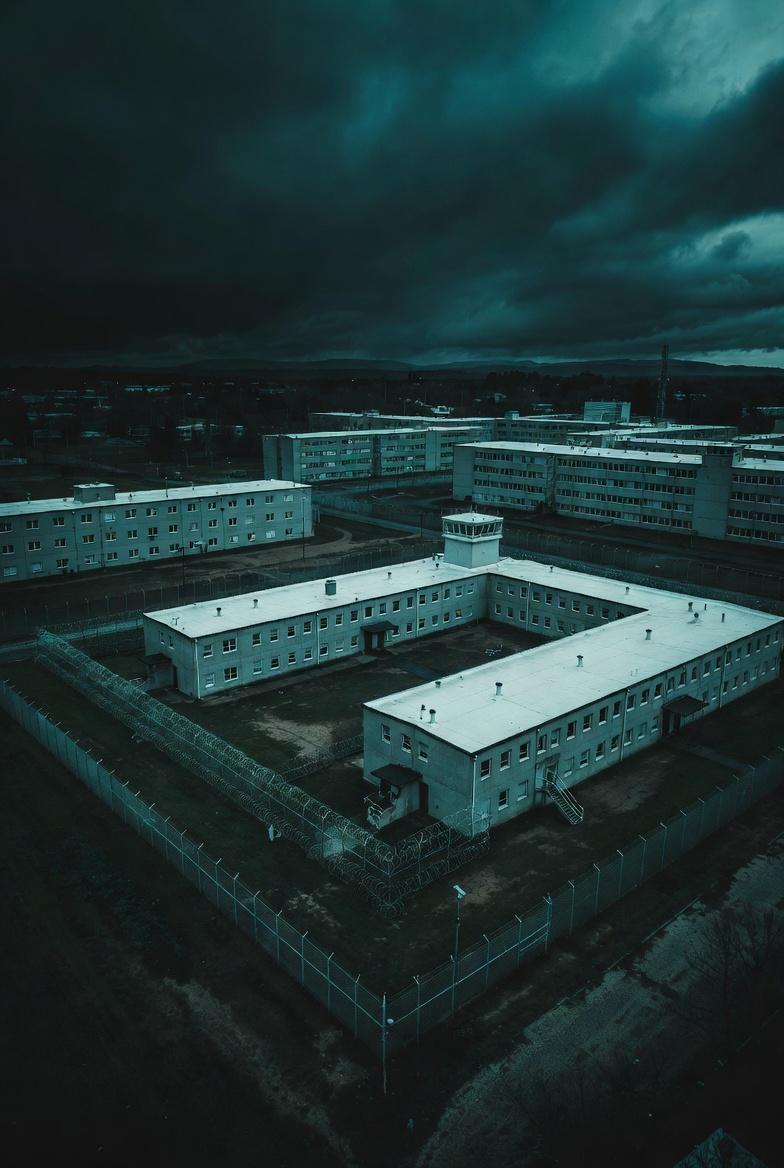
CDCR - Parlin Fork Adult Conservation (Fire) Camp #6
State Prison | California County — California
CDCR Parlin Fork Adult Conservation Fire Camp #6 operates as a medium-security conservation camp located at 23000 Highway 20 in Fort Bragg, Mendocino County, California. Administered by the California Department of Corrections and Rehabilitation, this facility houses male inmates who have volunteered and qualified for the state's fire camp program. The camp serves as a training and deployment center for inmates who respond to wildfires and other natural emergencies throughout California's northern coastal region.
Families seeking information about inmates at Parlin Fork Camp can search inmate records through the CDCR database. Visiting procedures, sending money, and accessing arrest records require following specific CDCR protocols. Contact the facility directly to confirm current policies, as conservation camp operations may vary based on fire season demands and emergency deployment schedules.
Parlin Fork Adult Conservation Camp #6 stands apart from traditional CDCR prisons as a designated fire camp where inmates train and deploy as wildland firefighters alongside the California Department of Forestry and Fire Protection. Located in the forested mountains near Fort Bragg, this facility focuses on emergency response rather than traditional incarceration. Inmates at Parlin Fork participate in rigorous physical training and learn firefighting skills, responding to wildfires, clearing vegetation for fire prevention, and assisting during natural disasters. The camp environment emphasizes teamwork, discipline, and public service, offering participants reduced sentences and valuable work experience while providing critical emergency response resources to Mendocino County and surrounding northern California regions.
Parlin Fork Conservation Camp houses male inmates who have volunteered and been carefully screened for the fire camp program. Participants must meet strict eligibility criteria, including being classified as minimum or medium security with no history of violent crimes, sexual offenses, arson, or escape attempts. Most inmates at conservation camps are serving sentences for non-violent property crimes, drug offenses, or other lower-level felonies. All participants are sentenced inmates rather than pre-trial detainees, as the program requires stable custody status and sufficient remaining sentence time to complete training and deployment cycles. The population consists of physically fit individuals capable of demanding firefighting work, with many viewing the assignment as an opportunity to reduce their sentences through participation in this challenging program.
Parlin Fork Conservation Camp provides dormitory-style housing rather than traditional cellblocks, with inmates residing in barracks that reflect the camp's operational focus. Living conditions are less restrictive than mainline prisons, though inmates maintain a structured schedule centered on firefighting readiness. Meals are designed to meet the nutritional needs of physically active firefighters, with increased calories during active fire season when crews may be deployed for extended periods. Recreation opportunities include outdoor physical training essential for maintaining firefighting fitness. Medical services address injuries related to strenuous work and firefighting activities, with emergency medical training integrated into the program. Mental health resources support inmates adjusting to the demanding physical and psychological challenges of wildfire response. The grievance process follows standard CDCR procedures, though the camp's smaller population and mission-focused environment often allows for more direct communication between inmates and staff regarding concerns.
Programming at Parlin Fork Conservation Camp centers primarily on firefighting training and emergency response skills. Inmates receive certification in wildland firefighting techniques, chainsaw operation, hand tool use, and fire suppression strategies through partnerships with Cal Fire. Physical fitness training is mandatory and constant, preparing participants for the extreme demands of wildland firefighting. While traditional educational programs may be limited compared to larger facilities, inmates gain valuable vocational experience and certifications that can support post-release employment. Substance abuse programming helps address underlying issues that contributed to incarceration. Religious services are available, though schedules may adjust during fire season deployments. Re-entry preparation emphasizes leveraging firefighting skills and work ethic gained at camp, though California law currently restricts most former inmates from becoming professional firefighters despite their training and experience.
Work assignments at Parlin Fork Conservation Camp revolve entirely around conservation and emergency response activities. Inmates perform year-round conservation work including forest fuel reduction, trail maintenance, habitat restoration, and vegetation clearing to reduce fire danger in Mendocino County and surrounding areas. During fire season, crews deploy as needed to active wildfire incidents throughout California, working 24-hour shifts on fire lines under Cal Fire supervision. Camp maintenance duties include kitchen operations, groundskeeping, and facility upkeep. Unlike traditional prison industries, all work prepares inmates for or directly involves emergency response, emphasizing public service and developing transferable skills in outdoor labor and teamwork.
Parlin Fork Adult Conservation Camp #6 was established as part of California's conservation camp program, which began in the 1940s as a partnership between the Department of Corrections and the Division of Forestry. The camp's location in the forested terrain east of Fort Bragg provides strategic access to fire-prone wilderness areas throughout Mendocino County and California's north coast. Over decades, the facility has evolved to meet changing wildfire challenges, with inmates from Parlin Fork responding to countless fires and natural disasters. The camp has maintained its mission of providing trained firefighting crews while offering inmates an alternative to traditional incarceration. California's increasingly severe fire seasons have made conservation camps like Parlin Fork essential components of the state's emergency response infrastructure, though recent challenges including reduced inmate populations and increased competition for eligible participants have affected program capacity.
Visitation at Parlin Fork Conservation Camp follows CDCR guidelines but may be limited or modified based on the camp's operational status and fire season deployments. Visitors must bring valid government-issued photo identification and should wear appropriate clothing that meets CDCR dress code requirements, avoiding revealing attire, clothing resembling inmate uniforms, or colors designated as gang-related. All visitors require prior approval through CDCR's visitor application process. Families should understand that inmates may be unavailable for visits when deployed to active fire incidents, sometimes for days or weeks during peak fire season. Visitation schedules and procedures can change based on operational needs, so families must call ahead to confirm current policies, verify the inmate's availability, and ensure visits are permitted before traveling to this remote location.
Mail sent to inmates at Parlin Fork Conservation Camp must include the inmate's full name, CDCR number, and facility address: 23000 Highway 20, Fort Bragg, CA 95437. All correspondence undergoes inspection upon arrival, and items must comply with CDCR regulations. Books and publications must be shipped directly from approved vendors to be accepted. Inmates can make phone calls using prepaid telephone accounts that families establish through approved providers, though access may be limited during fire deployments. Families should check whether electronic messaging services are available, as technology access varies at conservation camps. Money can be sent to inmate trust accounts through approved CDCR methods for commissary purchases.
Sponsored and Powered by our Partner TruthFinder
Quick Facts
Should I Be Concerned? — Family Guide
Parlin Fork Fire Camp #6 maintains a Medium security level with zero recorded staff assaults, indicating a stable and relatively safe facility environment. The conservation camp model focuses on work-oriented programming rather than high-custody operations. Visitors should expect standard security screening procedures and should contact the facility ahead of time to confirm current visiting policies and any pandemic-related restrictions.
Neighborhood & Getting There
Located in Fort Bragg, Mendocino County on California's scenic northern coast, approximately 140 miles north of San Francisco and 3.5 hours driving time. The coastal town offers limited hotel accommodations; nearest major services are in Fort Bragg itself. Highway 20 provides direct access to the facility. The region features redwood forests and rugged coastline. Visitors should plan for rural driving conditions and bring supplies, as amenities near the remote camp location are minimal.