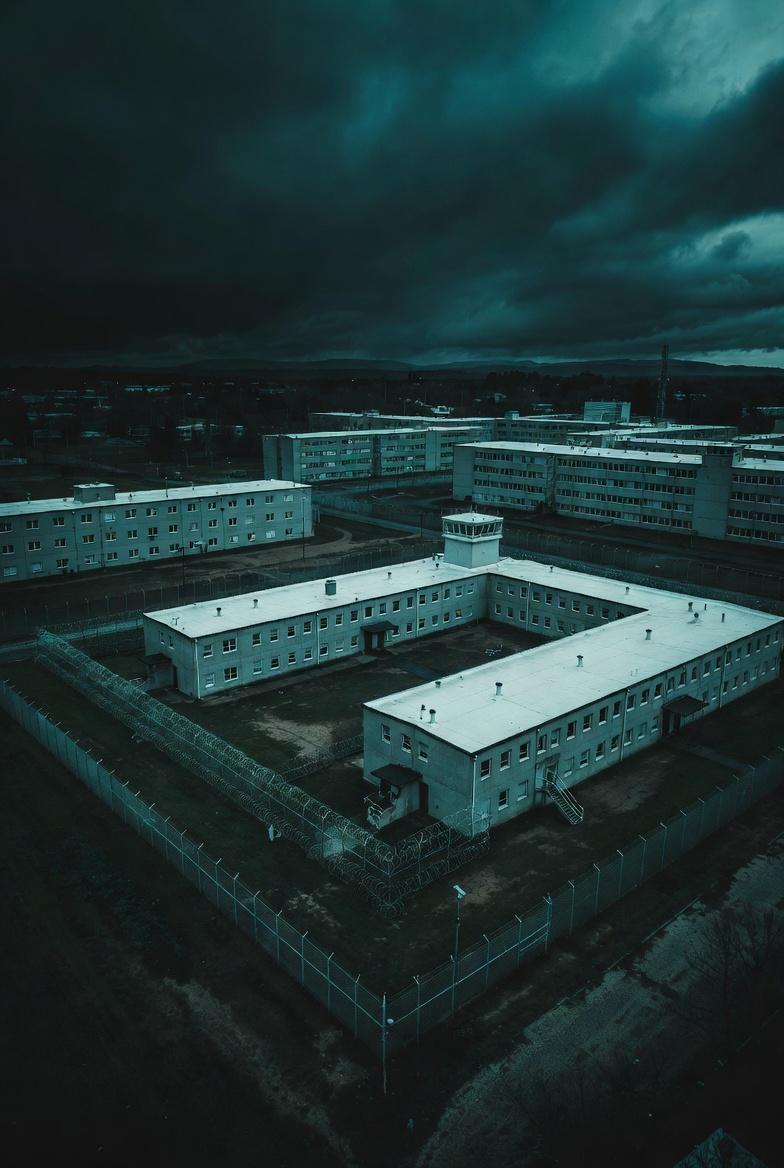
CDCR - Owens Valley Adult Conservation (Fire) Camp #26
State Prison | California County — California
Owens Valley Adult Conservation Fire Camp #26 is a medium-security conservation camp operated by the California Department of Corrections and Rehabilitation in Bishop, Inyo County, California. Located at 2781 South Round Valley Road in the eastern Sierra Nevada region, this facility houses male inmates who participate in wildland firefighting and conservation work. The camp serves as both a correctional institution and a critical resource for California's emergency response infrastructure.
Families seeking information about individuals at Owens Valley Fire Camp #26 can conduct inmate searches through the CDCR online database. Loved ones can send money through approved vendors, schedule visits according to camp guidelines, and access arrest records through county and state repositories to stay connected with incarcerated family members.
Owens Valley Fire Camp #26 operates as part of California's conservation camp program, which partners CDCR with the California Department of Forestry and Fire Protection. Inmates housed here serve on wildland firefighting crews, responding to wildfires throughout California and performing year-round conservation work including fuel reduction, trail maintenance, and habitat restoration projects. The camp's location in Bishop places it in the eastern Sierra Nevada, where crews work in high-elevation environments and remote wilderness areas. This facility represents a rehabilitative approach that provides inmates with firefighting certification, work experience, and reduced sentences while serving critical public safety needs during California's fire season.
Owens Valley Fire Camp #26 houses male inmates who have been carefully screened and selected for the conservation camp program. Eligible inmates are typically minimum to medium-security classifications serving sentences for non-violent, non-sexual offenses with remaining time that allows for crew training and seasonal deployment. All residents are sentenced inmates rather than pre-trial detainees. The population consists of individuals who have volunteered for the physically demanding firefighting program and passed medical and behavioral evaluations. Inmates with histories of arson, sexual offenses, escape, or certain violent crimes are excluded from fire camp eligibility regardless of current custody level. The camp maintains a selective population focused on those who demonstrate motivation for rehabilitation through service.
Inmates at Owens Valley Fire Camp #26 live in barracks-style dormitory housing rather than traditional cells, reflecting the camp's less restrictive medium-security environment. The facility provides three daily meals designed to meet the caloric needs of inmates performing strenuous physical labor during firefighting operations and conservation projects. Medical services are available on-site for routine care, with more serious medical needs addressed through referrals to community providers or CDCR medical facilities. Mental health services support inmate well-being through the demands of firefighting work. Recreation opportunities are available during non-work periods, though the work schedule significantly structures daily life at the camp. Inmates have access to a grievance process to address concerns about conditions, treatment, or policy violations through formal administrative channels established by CDCR for all facilities within the system.
Owens Valley Fire Camp #26 centers programming on firefighting training and certification as inmates prepare for and participate in wildland fire crews. Inmates receive extensive training in fire suppression techniques, chainsaw operation, hand tool use, and fire behavior through partnerships with CAL FIRE instructors. While the primary focus is conservation work, educational opportunities including GED preparation may be available for eligible inmates. Substance abuse programming helps address underlying issues contributing to criminal behavior. Religious services provide spiritual support to inmates of various faiths. Re-entry programming focuses on translating firefighting skills and work experience into post-release employment opportunities, though structural barriers often prevent former inmates from pursuing firefighting careers despite their training and experience while incarcerated.
The primary work assignment at Owens Valley Fire Camp #26 is service on hand crews that respond to wildland fires throughout California during fire season and perform conservation work year-round. Inmates work under CAL FIRE supervision cutting firebreaks, clearing brush, constructing and maintaining trails, and performing habitat restoration in wilderness areas. Inside the camp, inmates maintain facility operations through kitchen duties, janitorial work, groundskeeping, and general maintenance assignments. The work program is integral to the camp's mission, providing both rehabilitation through structured labor and essential public services while allowing inmates to earn time credits toward earlier release under California's sentencing credit system.
Owens Valley Fire Camp #26 was established as part of California's conservation camp system, which began in 1946 through a partnership between the California Department of Corrections and the California Department of Forestry. The Bishop location situates the camp in the eastern Sierra Nevada region, providing access to vast wilderness areas and fire-prone landscapes that require both emergency response capabilities and ongoing conservation management. The facility has operated for decades training inmate firefighters who have responded to major California wildfires while performing thousands of hours of conservation work in Inyo County and surrounding areas. The camp continues its role providing trained hand crews for California's fire suppression efforts while offering inmates an alternative to traditional incarceration through meaningful public service work.
Visitation at Owens Valley Fire Camp #26 follows CDCR guidelines specific to conservation camps, which typically allow more relaxed visiting conditions than higher-security prisons. Visitors must bring valid government-issued photo identification and undergo approval processes before their first visit. Dress codes prohibit clothing that resembles inmate attire or is overly revealing. Families should understand that visiting schedules may be affected by the camp's deployment for firefighting operations during fire season, when crews may be assigned to incidents for extended periods. Specific visiting days and hours vary, and families are strongly encouraged to call the facility ahead of planned visits to confirm current schedules, verify visitor approval status, and understand any temporary restrictions or changes due to operational demands.
Mail sent to inmates at Owens Valley Fire Camp #26 should include the inmate's full legal name, CDCR number, and the facility address: 2781 South Round Valley Road, Bishop, CA 93514. All incoming mail is inspected according to CDCR regulations. Books and publications must come directly from approved vendors or publishers rather than personal sources. Inmates can receive phone privileges through prepaid telephone accounts that families establish with the approved provider. Phone calls are monitored and recorded. Families should check current CDCR policies regarding electronic messaging services, which have expanded in recent years but vary by facility and may not be available at all conservation camps.
Sponsored and Powered by our Partner TruthFinder
Quick Facts
Should I Be Concerned? — Family Guide
Owens Valley Fire Camp #26 maintains a strong safety record with zero staff assaults, indicating good facility management and inmate cooperation. As a medium-security conservation camp, this facility typically houses lower-risk, motivated inmates focused on fire suppression work. Visitors should expect standard security procedures; contact the facility in advance to confirm visiting hours and bring valid identification to ensure a smooth visit.
Neighborhood & Getting There
Located in Bishop, California, in Inyo County's Owens Valley, this facility sits in the Eastern Sierra region approximately 200 miles northeast of Los Angeles and 150 miles south of Reno, Nevada. Bishop is a small mountain town with basic amenities, lodging options along Highway 395, and access to scenic outdoor recreation. The nearest major city is Fresno, approximately 150 miles away. Highway 395 provides the primary route for visitors traveling from populated areas.