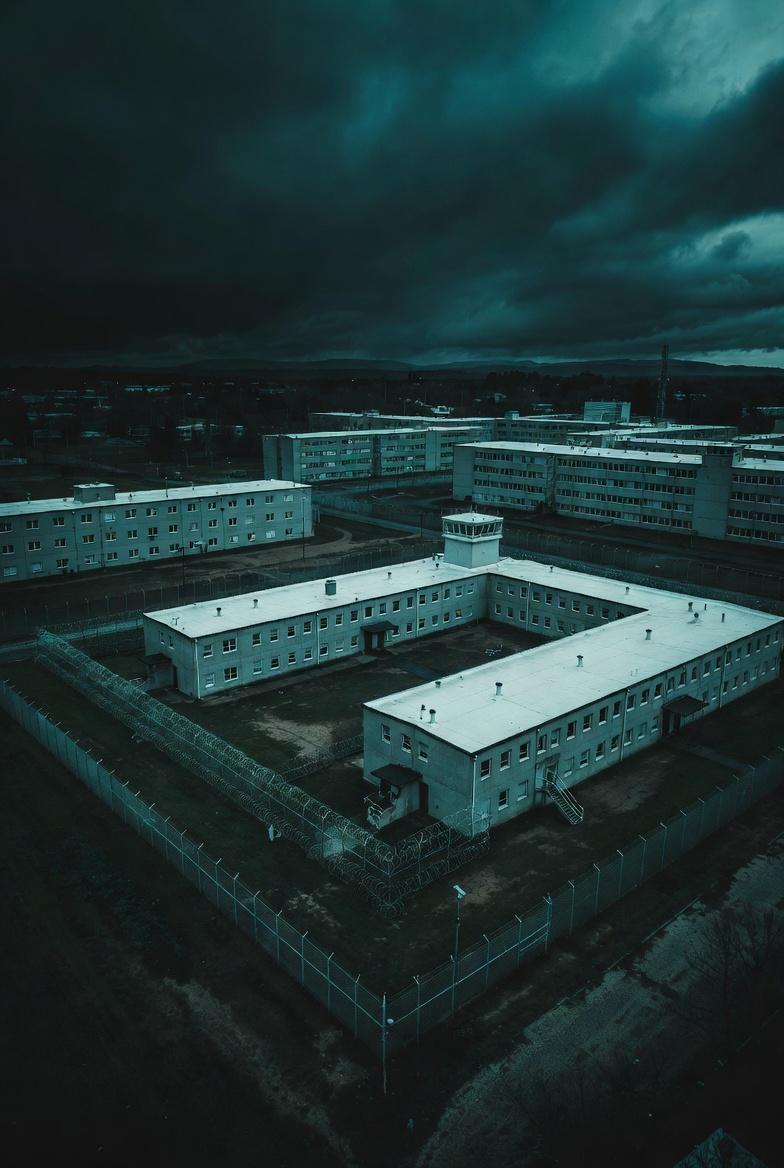
CDCR - Mountain Home Adult Conservation (Fire) Camp #10
State Prison | California County — California
Mountain Home Adult Conservation Fire Camp #10 is a California Department of Corrections and Rehabilitation facility located at 45260 Bear Creek Road in Springville, California County, California. This medium-security conservation camp houses male inmates who participate in wildfire suppression and conservation work programs. The facility operates as part of California's network of fire camps that provide trained crews for emergency response throughout the state.
Families seeking information about inmates at Mountain Home Fire Camp #10 can search arrest records and inmate rosters through official CDCR channels. To stay connected with incarcerated loved ones, families can send money for commissary purchases, schedule approved visits, and send mail to the facility's mailing address at PO Box 647, Springdale, CA 93265.
Mountain Home Adult Conservation Fire Camp #10 distinguishes itself within the California corrections system as a specialized conservation camp focused on wildfire response and natural resource management. Inmates housed here are carefully selected based on their security classification, physical fitness, and behavior records to participate in demanding firefighting operations. The camp operates in the mountainous terrain near Springville, providing crews that respond to wildfires, conduct fuel reduction projects, and perform conservation work throughout California County and surrounding regions. This facility represents California's unique partnership between corrections and emergency services, transforming incarceration into public service while providing inmates with valuable skills and work experience.
Mountain Home Fire Camp #10 houses a carefully selected population of male inmates classified at medium-security levels who meet strict eligibility requirements for conservation camp placement. Inmates assigned here typically have non-violent offense histories and demonstrated good institutional behavior. The population excludes individuals convicted of certain serious crimes, including arson, sexual offenses, and violent felonies. Most residents are sentenced inmates serving time for property crimes, drug offenses, or other non-violent violations. The selection process emphasizes physical capability, as fire camp work demands significant stamina and fitness. Inmates at this facility are generally within specific time ranges of their release dates, making them appropriate candidates for the reduced-security environment and community-based work assignments that characterize conservation camp operations.
Mountain Home Fire Camp #10 provides dormitory-style housing that differs significantly from traditional cellular prison environments. Inmates reside in open barracks or cabin-style housing units that reflect the reduced-security nature of conservation camps. The facility serves three meals daily designed to support the physically demanding work inmates perform during fire operations and conservation projects. Recreation opportunities connect to the natural mountain setting, though structured recreational time may be limited during active fire season when crews remain on standby for emergency deployments.
Medical services address routine healthcare needs and work-related injuries common to firefighting and manual labor. Mental health resources support inmates adjusting to the unique demands of camp life and preparing for eventual release. The grievance process follows CDCR protocols, allowing inmates to formally address concerns about conditions, treatment, or program access. The camp environment generally offers more freedom of movement than traditional prisons, reflecting the trust placed in this selected population while maintaining security appropriate to the facility's mission and setting.
Mountain Home Fire Camp #10 centers its programming around wildfire suppression training and conservation work, providing inmates with California Department of Forestry and Fire Protection certification and hands-on firefighting experience. Educational opportunities may include GED preparation for inmates lacking high school credentials, though academic programming takes secondary priority to the facility's emergency response mission. Vocational training occurs primarily through direct work experience in firefighting, chainsaw operation, hand tool use, and wilderness survival skills that translate to employment opportunities upon release.
Substance abuse programming addresses addiction issues that contributed to many inmates' criminal histories, with treatment integrated into the overall rehabilitation approach. Religious services and spiritual support are available to inmates seeking faith-based guidance. Re-entry preparation emphasizes leveraging fire camp experience into forestry, emergency services, or construction careers after release, helping inmates transition from incarceration to productive community membership.
Work assignments at Mountain Home Fire Camp #10 focus primarily on wildfire suppression and natural resource conservation projects rather than traditional prison industries. Inmates serve on hand crews that respond to wildfires throughout California, constructing fire lines, conducting mop-up operations, and protecting structures threatened by flames. Between fire emergencies, crews perform fuel reduction work, clearing brush and creating defensible space around communities. Conservation projects include trail maintenance, erosion control, habitat restoration, and park improvement work. Inside the camp, inmates handle facility maintenance, food service, groundskeeping, and other operational tasks necessary to keep the camp functioning. The physically demanding nature of fire camp work provides valuable job skills while serving critical public safety needs across California.
Mountain Home Adult Conservation Fire Camp #10 was established as part of California's conservation camp program, which has operated since the 1940s when the state recognized the value of training minimum-custody inmates for emergency response work. The specific founding date of this Springville facility remains undocumented in available records, though it has served the region for decades as part of the broader fire camp system. Located in the Sierra Nevada foothills near Springville in California County, the camp's mountainous setting provides ideal conditions for training firefighters and rapid deployment to wildfires.
Throughout its operation, Mountain Home Fire Camp #10 has contributed thousands of work hours to wildfire suppression and conservation projects across California. The facility continues its current role as a medium-security conservation camp, maintaining trained inmate crews ready to respond to emergencies while providing participants with skills, work ethic, and experience that support successful reintegration into society upon release.
Visitation at Mountain Home Fire Camp #10 allows approved family members and friends to maintain connections with inmates, though visits may be limited or cancelled during active fire season when crews are deployed on emergency assignments. Visitors must bring valid government-issued photo identification and should dress appropriately for a correctional facility, avoiding clothing that resembles inmate attire or appears revealing. All visitors require prior approval through the CDCR visitation application process, which includes background checks.
Scheduling procedures and visiting hours vary, so families should contact the facility directly before traveling to confirm current policies and inmate availability. The camp's remote mountain location requires advance planning for travel. Families should call ahead to verify visiting days and times, as operational demands of fire camp missions can affect visitation schedules unexpectedly.
Mail sent to inmates at Mountain Home Fire Camp #10 must include the inmate's full legal name, CDCR identification number, and the facility mailing address: 45260 Bear Creek Road, PO Box 647, Springdale, CA 93265. All incoming correspondence undergoes inspection for contraband and prohibited items. Books and publications must come directly from approved vendors to be accepted. Inmates can receive soft-cover books but not hardcover editions due to security protocols.
Phone access allows inmates to place collect calls or prepaid calls to approved contacts through established telephone accounts that families fund in advance. Email and electronic messaging availability depends on current CDCR technology programs. Families should verify current communication options and account setup procedures to maintain regular contact with loved ones at the facility.
Sponsored and Powered by our Partner TruthFinder
Quick Facts
Should I Be Concerned? — Family Guide
Mountain Home Fire Camp #10 maintains a strong safety record with zero reported staff assaults, indicating effective management and inmate cooperation. Medium security classification combined with the camp's work-focused programming typically results in lower violence rates than traditional facilities. Visitors should expect standard security procedures including ID verification and property checks; contact the facility in advance to confirm current visiting protocols and schedules.
Neighborhood & Getting There
Springville is located in Tulare County in California's Sierra Nevada foothills, approximately 40 miles northeast of Fresno and 60 miles south of Visalia. The area is rural and mountainous, characterized by pine forests and limited commercial development. Highway 190 provides primary access to the facility. Visitors should plan for a scenic but remote mountain drive; lodging options are limited nearby, with better accommodations available in Visalia or Fresno, each requiring 45-60 minutes driving time.