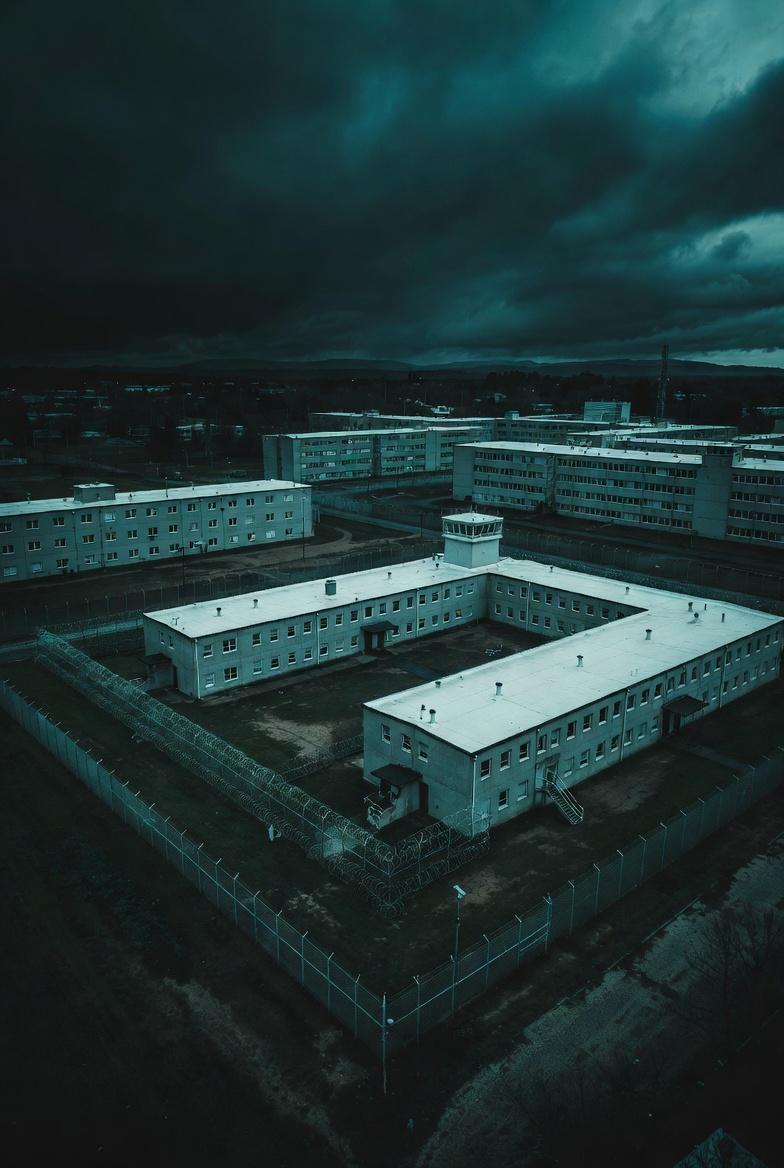
CDCR - McCain Valley Adult Conservation (Fire) Camp #21
State Prison | California County — California
The California Department of Corrections and Rehabilitation operates McCain Valley Adult Conservation Fire Camp #21 at 2550 McCain Valley Road in Boulevard, located in San Diego County, California. This medium-security facility houses male inmates who participate in the state's conservation camp program. The facility sits in the rural McCain Valley area near the U.S.-Mexico border, positioned to respond to wildfires throughout Southern California's backcountry regions.
Families seeking information about inmates at McCain Valley Fire Camp can search arrest records and inmate databases through the CDCR website. Understanding visitation procedures, approved methods to send money, and proper mailing addresses helps maintain crucial connections with incarcerated loved ones during their time at this specialized conservation facility.
McCain Valley Fire Camp #21 operates as one of California's specialized conservation camps where eligible inmates receive training and certification in wildland firefighting and emergency response. Unlike traditional correctional facilities, this camp focuses on physical conditioning, firefighting techniques, and natural resource conservation work. Inmates assigned here must meet specific criteria including good behavior, physical fitness standards, and appropriate security classifications. The camp serves a dual purpose: providing inmates with valuable skills and work experience while supporting California's critical firefighting infrastructure, particularly during the state's increasingly severe wildfire seasons in San Diego County's remote backcountry terrain.
McCain Valley Fire Camp #21 houses a carefully selected population of medium-security male inmates who have volunteered for the conservation camp program. Inmates assigned to fire camps typically have non-violent, non-serious offense histories and relatively shorter sentences remaining. The selection process excludes individuals with certain conviction types, including arson, sexual offenses, and those with escape histories. These inmates represent sentenced populations rather than pre-trial detainees, as the camp assignment requires completion of classification processes and demonstration of institutional adjustment. The population maintains physical fitness requirements necessary for demanding firefighting and conservation work, creating a more uniform demographic compared to general population facilities.
McCain Valley Fire Camp features barracks-style housing designed for the operational needs of a working conservation camp rather than traditional cell-based corrections. Inmates live in dormitory settings that facilitate the early morning mobilizations required for emergency fire response and scheduled conservation projects. The facility provides three meals daily with caloric requirements reflecting the physically demanding nature of firefighting and manual labor. Recreation opportunities balance structured physical training with limited leisure time, as the camp operates on a work-focused schedule. Medical services address routine health needs and work-related injuries, with more serious cases transferred to facilities with comprehensive medical departments. Mental health services are available, though the screening process tends to select inmates without severe mental health concerns. The grievance process follows standard CDCR procedures, allowing inmates to formally address concerns through established administrative channels.
Programming at McCain Valley Fire Camp #21 centers on firefighting certification, emergency response training, and conservation skills development. Inmates complete firefighter training courses meeting state standards, earning certifications valuable for post-release employment. While traditional academic programs may be limited compared to general population prisons, inmates gain practical vocational training in chainsaw operation, hand tool use, and wildland fire suppression techniques. The camp environment itself serves as a rehabilitative program, teaching work discipline, teamwork, and responsibility under challenging conditions. Limited religious services may be available, and re-entry programming focuses on leveraging firefighting experience into civilian employment opportunities with fire departments, forestry services, or related industries upon release.
Work assignments at McCain Valley Fire Camp #21 revolve around wildland firefighting and natural resource conservation projects. During fire season, crews mobilize for emergency response throughout California, working alongside professional firefighters on active wildfire incidents. When not responding to emergencies, inmates perform fuel reduction projects, trail maintenance, habitat restoration, and other conservation work in San Diego County's backcountry areas. Inside the camp, inmates maintain facility operations through kitchen duties, groundskeeping, and general maintenance assignments. The work program operates year-round, with conservation projects filling non-fire season periods. This labor benefits both the state's resource management needs and provides inmates with marketable skills.
McCain Valley Adult Conservation Fire Camp #21 was established as part of California's conservation camp system, which has operated since the 1940s when the state recognized the value of inmate labor for forestry and fire suppression work. The camp's location in Boulevard's McCain Valley area positions it strategically for response to wildfires in San Diego County's eastern backcountry, a region increasingly vulnerable to wildfire activity. The facility has evolved alongside California's expanding conservation camp program, which grew to include over 40 camps statewide. While specific construction dates and major incidents are not publicly documented, the camp continues serving its dual mission of inmate rehabilitation and emergency resource support. Today, McCain Valley Fire Camp #21 remains an active component of California's firefighting infrastructure during the state's extended and intensifying fire seasons.
Visitation at McCain Valley Fire Camp #21 follows CDCR conservation camp policies, which may differ from traditional prison visiting procedures. Visitors must bring valid government-issued photo identification and typically undergo an approval process before their first visit. Dress code requirements prohibit clothing resembling inmate attire, overly revealing items, or specific colors designated by facility rules. Due to the camp's operational nature and potential crew deployments during fire season, visiting schedules can be affected by emergency activations. The remote Boulevard location requires advance planning for travel. Families should contact the facility directly before making the trip to confirm visiting hours, verify inmate availability, and understand current regulations, as fire camp protocols may change based on operational needs.
Mail sent to inmates at McCain Valley Fire Camp #21 should include the inmate's full name, CDCR number, and the complete facility address: 2550 McCain Valley Road, Boulevard, CA 91905. All incoming mail undergoes inspection according to CDCR regulations. Families may send books and educational materials only from approved vendors to comply with security protocols. Inmates can typically access phone services through prepaid phone accounts established by friends and family members. Phone privileges operate within scheduled timeframes and facility rules. Some CDCR facilities offer electronic messaging services, though availability varies by institution. Families should verify current communication options and restrictions directly with the facility to ensure compliance with all regulations.
Sponsored and Powered by our Partner TruthFinder
Quick Facts
Should I Be Concerned? — Family Guide
McCain Valley Fire Camp #21 maintains a strong safety record with zero reported staff assaults, reflecting the selective nature of conservation camp assignments and inmates' commitment to the program. The Medium security level combined with outdoor work focus creates a lower-tension environment than traditional facilities. Visiting this facility is generally safe; however, confirm visitation policies in advance as fire camp schedules may be irregular due to emergency response deployments.
Neighborhood & Getting There
Boulevard is a remote community in southern San Diego County, located approximately 50 miles east of downtown San Diego near the Mexican border in the McCain Valley region. The nearest significant town is Campo, about 10 miles away. The facility sits in a rural, mountainous area with limited immediate services. Visitors should plan for approximately 1.5-2 hours driving time from San Diego metro areas. Highway 94 provides primary access; lodging options are scarce locally, with most accommodations in nearby towns or San Diego.