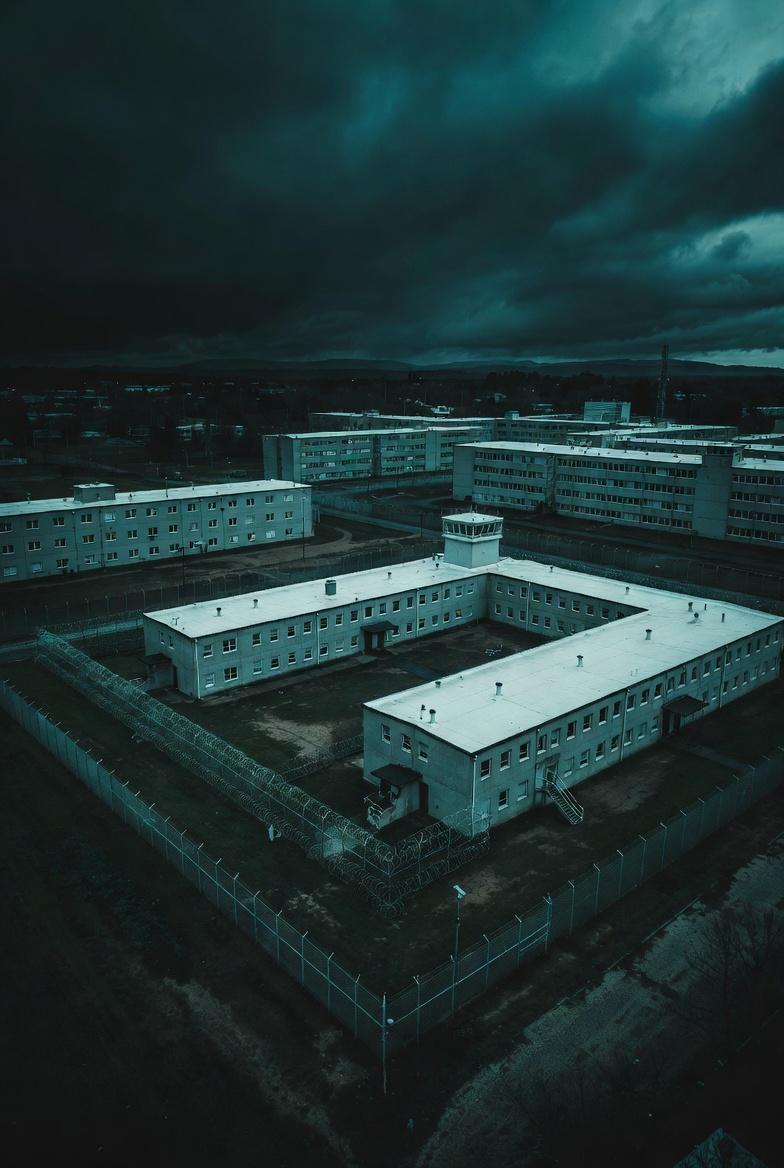
CDCR - Malibu Adult Conservation (Fire) Camp #13 - Female
State Prison | California County — California
CDCR Malibu Adult Conservation (Fire) Camp #13 is a medium-security facility operated by the California Department of Corrections and Rehabilitation, located at 1250 South Encinal Canyon Road in Malibu, California. Despite the facility name indicating female designation, the data shows it currently houses male inmates. This conservation camp trains incarcerated individuals for wildland firefighting and emergency response work throughout California. The camp sits in the Santa Monica Mountains, providing strategic positioning for fire response in Southern California.
Families seeking information about inmates at Malibu Fire Camp #13 can search arrest records and inmate rosters through CDCR resources. The facility accepts mail at its Malibu address, and families can arrange visitation by contacting the camp directly. Understanding the camp's unique fire training mission helps families support their loved ones during incarceration.
Malibu Fire Camp #13 stands apart as one of California's adult conservation camps dedicated to training inmates as wildland firefighters. Inmates assigned here participate in the state's Conservation Camp Program, working alongside Cal Fire personnel to combat wildfires, respond to natural disasters, and perform conservation work throughout California. The camp's location in the fire-prone Santa Monica Mountains provides immediate access to emergency situations requiring rapid deployment. Inmates undergo rigorous physical training and learn firefighting techniques, chainsaw operation, and emergency response protocols. This program offers inmates meaningful skills, reduced sentences through time credits, and the opportunity to serve their communities during critical emergencies while stationed in one of California's most scenic coastal regions.
Malibu Fire Camp #13 houses a carefully selected population of inmates who volunteer for the demanding conservation camp program. To qualify, inmates must be minimum-security classified with non-violent offense histories, physically fit, and have limited time remaining on their sentences. The facility excludes individuals convicted of arson, sexual offenses, kidnapping, or those with certain gang affiliations. Most inmates are serving sentences for property crimes, drug offenses, or non-violent felonies. The population maintains stable numbers based on program capacity and operational needs. These inmates represent motivated individuals seeking rehabilitation through hard work, skill development, and community service, distinguishing them from general prison populations throughout California's correctional system.
Living conditions at Malibu Fire Camp #13 differ significantly from traditional prison environments. Inmates reside in barracks-style dormitory housing rather than cells, reflecting the camp's minimum-security status and emphasis on teamwork. The facility maintains a structured daily schedule centered around physical training, skill development, and emergency readiness. Meals are designed to support the high-calorie demands of firefighting work and are served in a communal dining area. Recreation opportunities include outdoor physical fitness activities in the surrounding natural environment. Medical services are available on-site for routine care, with more serious needs addressed through coordination with local healthcare facilities. Mental health support is provided through CDCR counselors. The camp operates with fewer security restrictions than traditional prisons, fostering a more open atmosphere focused on rehabilitation and public service. Inmates can file grievances through standard CDCR procedures when concerns arise.
Programming at Malibu Fire Camp #13 centers on the Conservation Camp Program's firefighting and emergency response training. Inmates receive comprehensive instruction in wildland firefighting techniques, fire behavior, tool use and safety, first aid, and emergency protocols. Physical fitness training is mandatory to maintain the stamina required for firefighting assignments. While the camp's primary focus is fire crew training, inmates may access educational materials for GED completion and continuing education. Substance abuse counseling and support groups help address underlying addiction issues. Religious services are coordinated through volunteer chaplains. Re-entry planning assists inmates transitioning back to their communities, with many leveraging their firefighting training for employment with fire departments or conservation agencies upon release. The program emphasizes discipline, teamwork, and public service as rehabilitation tools.
Work assignments at Malibu Fire Camp #13 revolve around conservation and emergency response activities. Inmates serve on hand crews that deploy to active wildfires throughout California, constructing fire lines, clearing brush, and supporting suppression efforts. When not fighting fires, crews perform conservation work including trail maintenance, fuel reduction projects, erosion control, and habitat restoration in state and federal lands. Camp maintenance assignments include kitchen duties, grounds keeping, and facility upkeep. During fire season, crews remain on standby for immediate deployment, working extended shifts in dangerous conditions. This work provides inmates with valuable skills, reduces prison overcrowding, and saves California taxpayers significant costs compared to professional firefighting crews.
California's conservation camp program began in the 1940s as a partnership between the California Department of Corrections and the California Department of Forestry and Fire Protection (Cal Fire). Malibu Fire Camp #13 was established as part of this system to provide trained firefighting crews for Southern California's fire-prone regions. The Santa Monica Mountains location offers strategic access to wildfires threatening coastal communities, inland valleys, and wilderness areas. Over the decades, the camp has deployed inmates to countless fires, natural disasters, and emergency situations throughout the state. The facility's designation as female in official records may reflect historical classifications or administrative distinctions, though current operations house male inmates. Conservation camps have proven successful in rehabilitation while providing essential public safety services. Malibu Fire Camp #13 continues operating as a vital component of California's emergency response infrastructure.
Visitation at Malibu Fire Camp #13 follows CDCR conservation camp guidelines, which typically allow more flexible visiting arrangements than traditional prisons. Visitors must present valid government-issued photo identification and complete the visitor approval process before their first visit. Due to the camp's operational demands and potential fire deployments, visiting schedules can change with little notice. Appropriate casual dress is required, with restrictions on clothing colors that resemble inmate attire or gang affiliations. Visitors should avoid clothing that is revealing or may be considered inappropriate. Physical contact is generally limited to brief greetings and farewells. Families should call ahead to confirm visiting hours and verify the inmate remains at the facility, as crews frequently deploy for extended periods during fire season.
Mail sent to inmates at Malibu Fire Camp #13 should include the inmate's full name, CDCR number, and the facility address: 1250 South Encinal Canyon Road, Malibu, CA 90265. All incoming mail is inspected according to CDCR regulations. Packages are generally not permitted except from approved vendors for books, magazines, and educational materials. Inmates can make phone calls using prepaid telephone accounts that families establish through CDCR's contracted phone service provider. Email and electronic messaging availability depends on current CDCR technology programs implemented at conservation camps. Families should verify current communication options directly with the facility, as conservation camp policies may differ from standard prison facilities.
Sponsored and Powered by our Partner TruthFinder
Quick Facts
Should I Be Concerned? — Family Guide
This medium security conservation camp maintains a strong safety record with zero reported staff assaults, indicating effective management and inmate engagement through work programs. The facility's focus on fire camp operations typically correlates with lower incident rates due to structured daily activities. Visitors should expect standard security procedures; plan ahead for the remote Malibu location and verify visiting eligibility before traveling.
Neighborhood & Getting There
Located in Malibu, a scenic coastal community in Los Angeles County, approximately 30-40 miles northwest of downtown Los Angeles. The facility sits in the Santa Monica Mountains with limited direct highway access. Malibu is primarily a residential and resort destination with hotels concentrated along Pacific Coast Highway (US-1). The nearest major shopping and services are in Calabasas or Westlake Village, about 15-20 minutes away. Plan for 45-60 minutes driving time from central Los Angeles depending on traffic.