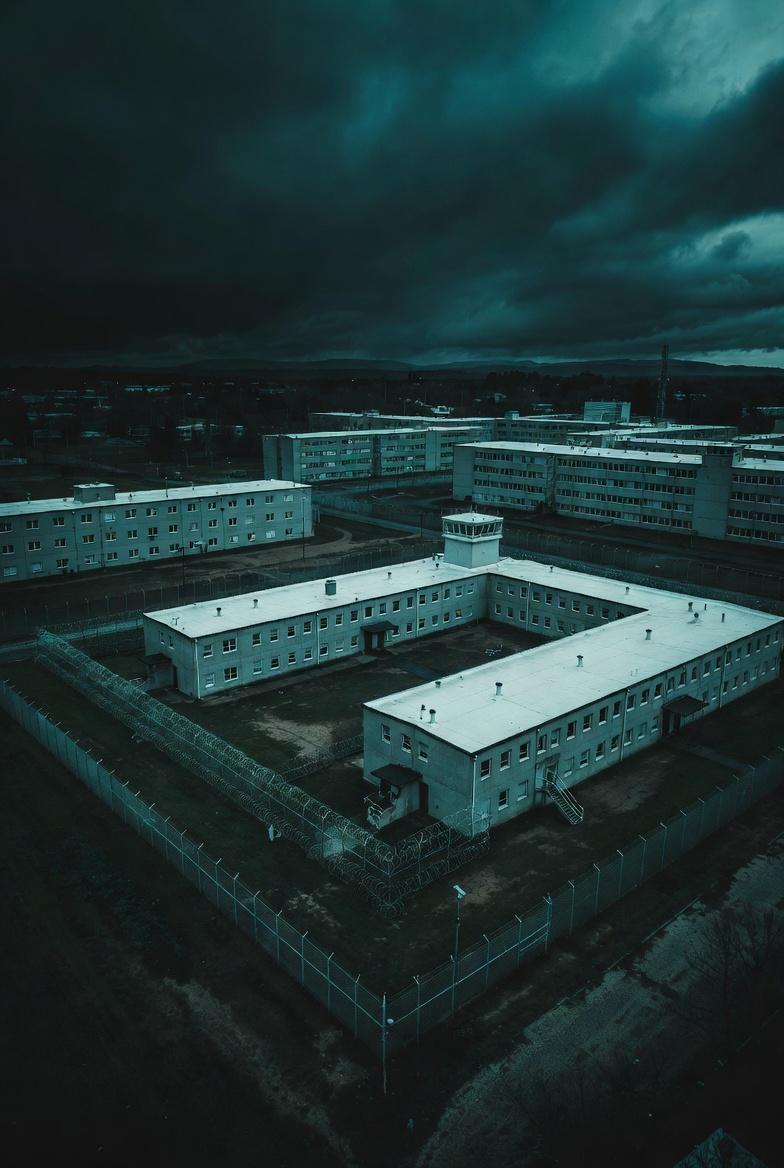
CDCR - Konocti Adult Conservation (Fire) Camp #27
State Prison | California County — California
CDCR Konocti Adult Conservation (Fire) Camp #27 is a medium-security conservation fire camp located in Lower Lake, Lake County, California. Operated by the California Department of Corrections and Rehabilitation, this facility houses male inmates who participate in wildfire suppression and natural resource conservation efforts. The camp is situated at 13044 State Highway 29 in the scenic Lower Lake region of Northern California, where inmates work alongside CAL FIRE personnel.
Families seeking to locate inmates at Konocti Conservation Camp can use the online inmate locator system. Resources available through this platform include information on sending money, scheduling visits, understanding visitation policies, and accessing arrest records related to incarcerated individuals at this facility.
Konocti Adult Conservation Camp #27 serves as one of California's specialized fire camps within the CDCR conservation camp program. Unlike traditional correctional facilities, this camp focuses on training and deploying inmates as wildland firefighters who respond to wildfires throughout California. Inmates at Konocti receive extensive training in fire suppression techniques, chainsaw operation, and emergency response protocols. The camp's location in Lake County provides strategic positioning for rapid deployment to fire emergencies in Northern California's wildfire-prone regions. This unique mission allows qualified inmates to develop valuable vocational skills, contribute meaningfully to public safety, and potentially reduce their sentences through the conservation camp program's incentives.
Konocti Adult Conservation Camp #27 houses a carefully selected population of male inmates who have demonstrated good behavior and meet specific eligibility requirements. Inmates assigned to conservation camps are typically serving sentences for non-violent, non-sexual offenses and have been classified as minimum-security custody. The population consists primarily of sentenced inmates who have volunteered for the fire camp program and passed rigorous physical fitness standards. Conservation camp inmates generally have shorter sentences remaining and are considered lower escape risks. The facility does not house high-security inmates, sex offenders, or individuals with serious medical conditions that would prevent them from performing physically demanding firefighting duties. This specialized population reflects the camp's operational focus on wildfire response rather than traditional incarceration.
Living conditions at Konocti Adult Conservation Camp #27 differ significantly from traditional prisons, reflecting the camp's mission-focused environment. Inmates reside in dormitory-style barracks rather than individual cells, fostering a communal atmosphere among crew members. The daily routine centers around physical training, fire equipment maintenance, and readiness for emergency deployment. Meals are provided in a common dining area and are designed to meet the nutritional needs of individuals engaged in physically demanding work. Recreation opportunities include outdoor activities and physical fitness training essential for firefighting duties. Medical care is available on-site for routine needs, with more serious medical issues requiring transfer to facilities with enhanced services. Mental health resources are accessible through CDCR protocols. The camp maintains a structured grievance process allowing inmates to address concerns through proper administrative channels. The overall environment emphasizes discipline, teamwork, and preparation for fire response operations rather than traditional security confinement.
Conservation camp programs at Konocti focus primarily on firefighting training and natural resource management skills. Inmates receive comprehensive instruction in wildland firefighting techniques, including fire line construction, controlled burns, and emergency response procedures. Certification programs in chainsaw operation, hand tool use, and first aid are standard components of the training curriculum. Educational opportunities may include GED preparation for those without high school diplomas. Vocational training emphasizes skills directly applicable to firefighting and forestry careers after release. Substance abuse programs help participants address underlying addiction issues that may have contributed to their incarceration. Religious services and spiritual counseling are available to those who seek them. Re-entry programming prepares inmates for successful transition back to their communities, with particular emphasis on leveraging firefighting skills for post-release employment opportunities in fire services or related fields.
Work assignments at Konocti Adult Conservation Camp #27 revolve around wildfire suppression and natural resource conservation activities. Inmates serve on organized fire crews that respond to wildfires throughout California under CAL FIRE supervision. During fire season, crews may deploy on short notice to active fire incidents, working long shifts in challenging terrain. When not engaged in active firefighting, inmates perform fuel reduction projects, clearing brush and creating firebreaks to reduce wildfire risk in vulnerable areas. Camp maintenance duties include facility upkeep, equipment maintenance, and grounds care. Kitchen assignments provide meals for the camp population. These work assignments develop practical skills while contributing to California's wildfire prevention and suppression efforts.
Konocti Adult Conservation Camp #27 was established as part of California's longstanding partnership between the Department of Corrections and CAL FIRE to provide trained firefighting crews. The conservation camp program itself dates back to the 1940s when California recognized the value of using inmate labor for wildfire suppression and forest conservation. Located in Lake County, an area historically affected by significant wildfires, Konocti Camp occupies a strategic position for rapid response to fire emergencies in Northern California. Over the decades, the camp has evolved with changing firefighting techniques and corrections philosophies, though its core mission remains unchanged. Crews from Konocti have responded to some of California's most significant fire incidents, earning recognition for their contributions to public safety. Today, the camp continues fulfilling its critical role in California's comprehensive wildfire response infrastructure while providing inmates with rehabilitation opportunities through meaningful work.
Visitation at Konocti Adult Conservation Camp #27 follows CDCR policies specific to conservation camps. All visitors must be on the inmate's approved visitor list and provide valid government-issued photo identification upon arrival. Dress code requirements prohibit clothing resembling inmate attire or overly revealing garments. Visitors should avoid wearing colors associated with security staff uniforms. Due to the camp's operational nature and potential for crew deployment during fire emergencies, visitation schedules may be subject to change or cancellation. Families are strongly encouraged to call ahead to confirm visiting hours and verify that their incarcerated loved one is at the facility and not deployed on a fire assignment. The approval process for new visitors can take several weeks, so families should plan accordingly and submit applications well in advance of intended visits.
To send mail to an inmate at Konocti Adult Conservation Camp #27, address correspondence with the inmate's full legal name, CDCR identification number, and facility address: 13044 State Highway 29 Lower Lake, CA 95457. All incoming mail is inspected according to CDCR regulations. Families can send books and educational materials through approved vendors that ship directly to the facility, ensuring compliance with institutional security policies. Inmates can make phone calls using the facility's contracted phone system, which requires families to establish prepaid accounts. Email services may be available through CDCR's approved electronic communication platforms, allowing families another method to maintain contact with their incarcerated loved ones at the conservation camp.
Sponsored and Powered by our Partner TruthFinder
Quick Facts
Should I Be Concerned? — Family Guide
Konocti Fire Camp #27 maintains a strong safety record with zero reported staff assaults, reflecting the low-custody nature of fire camp operations. The medium security classification applies primarily to work assignments rather than facility restrictions, making it one of California's safer institutional environments. Visitors should expect standard CDCR procedures; contact the facility directly to confirm current visiting policies and any pandemic-related restrictions.
Neighborhood & Getting There
Located in Lower Lake, California, approximately 100 miles north of San Francisco in Lake County's wine country region. The facility sits on Highway 29, the primary route through Napa and Lake Counties. Nearest significant city is Napa (45 minutes south) or Ukiah (35 minutes northeast). Limited hotel options exist locally; most visitors use accommodations in nearby Clearlake or Napa. The rural location reflects the conservation mission, surrounded by national forests and fire suppression training areas.