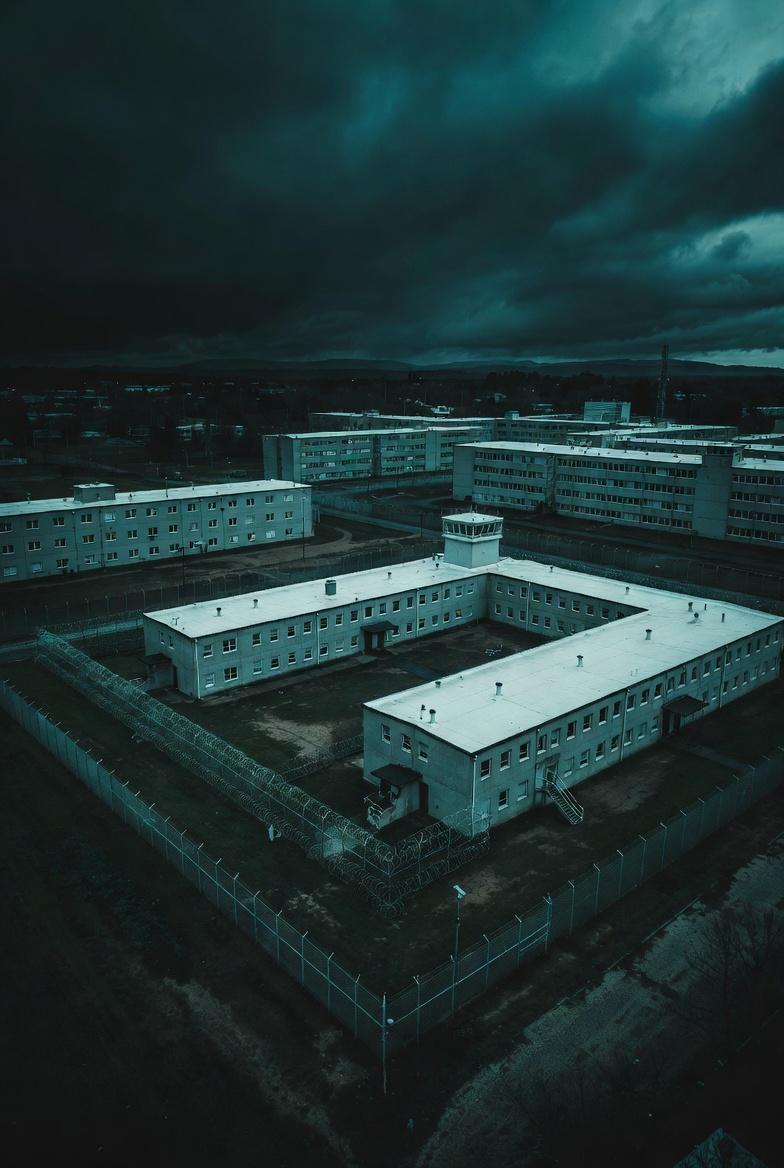
CDCR - Julius Klein Adult Conservation (Fire) Camp #19
State Prison | California County — California
Julius Klein Adult Conservation Fire Camp #19 is a medium-security facility operated by the California Department of Corrections and Rehabilitation in Azusa, located in Los Angeles County. Situated at 22550 East Fork Road in the San Gabriel Mountains, this conservation camp houses male inmates who participate in wildland firefighting and natural resource conservation work. As part of California's extensive fire camp system, it serves as both a correctional facility and training ground for inmate firefighters.
Families seeking information about incarcerated individuals at Camp 19 can access inmate records through CDCR's online locator system. The facility accepts mail at its East Fork Road address and offers specific guidelines for sending money, approved property, and scheduling visits. Understanding the unique nature of conservation camp placement helps families stay connected with loved ones serving time while contributing to California's fire protection efforts.
Julius Klein Fire Camp #19 stands apart from traditional California prisons as a conservation camp specifically designed for wildland firefighting operations. Located in the rugged San Gabriel Mountains near Azusa, inmates selected for this facility must meet strict eligibility criteria, typically requiring minimum custody classification and demonstrated positive behavior. These incarcerated firefighters work alongside California Department of Forestry and Fire Protection personnel, responding to wildfires throughout the state and performing essential conservation projects like trail maintenance, fuel reduction, and watershed restoration. The camp environment differs significantly from typical prison yards, offering greater freedom of movement and outdoor work that many participants find more rehabilitative than traditional incarceration.
Camp 19 houses carefully selected male offenders who qualify for minimum custody status within the California Department of Corrections system. Inmates at conservation camps generally have nonviolent convictions, demonstrated good institutional behavior, and typically serve sentences for property crimes, drug offenses, or lower-level felonies. The population excludes individuals convicted of certain violent crimes, sex offenses, or arson. Physical fitness requirements ensure participants can handle the demanding nature of firefighting work, including hiking with heavy equipment through steep terrain. Many inmates view conservation camp placement as a privilege, offering outdoor work, reduced restrictions compared to traditional prisons, and opportunities to develop marketable skills. The camp maintains a population focused on rehabilitation through meaningful labor and community service.
Living conditions at Julius Klein Fire Camp #19 reflect the facility's conservation camp mission rather than traditional prison architecture. Inmates typically reside in dormitory-style barracks or smaller housing units designed for the camp environment, with accommodations focused on functionality for a working firefighting crew. The mountain location means inmates experience natural seasonal weather variations, from hot summers to cold winters at higher elevation. Meals are prepared on-site to fuel the physically demanding firefighting and conservation work, with caloric intake adjusted for the active labor requirements. Recreation opportunities include outdoor activities appropriate to the mountain setting when not engaged in work assignments. Medical services address routine healthcare needs and work-related injuries, with more serious cases transferred to facilities with comprehensive medical units. Mental health services provide support for adjustment to the unique camp environment. Inmates follow established grievance procedures through CDCR channels to address concerns or complaints about conditions or treatment.
Conservation camp programming at Julius Klein Fire Camp #19 emphasizes practical skill development through hands-on firefighting and natural resource management work. Inmates receive comprehensive wildland firefighting training, including fire suppression techniques, tool use, safety protocols, and emergency response procedures that provide valuable vocational skills. While educational programming may be more limited than larger institutions, inmates can access correspondence courses and materials for continued learning. The physically demanding nature of firefighting work serves as a structured daily routine that many find therapeutic compared to traditional prison programming. Religious services and materials are available to support spiritual needs. Re-entry preparation focuses heavily on leveraging firefighting experience into post-release employment opportunities, though California licensing restrictions have historically limited direct pathways to professional firefighting careers for formerly incarcerated individuals despite their training and experience.
Work assignments at Camp 19 center primarily on wildland firefighting and conservation projects rather than traditional prison industries. Inmates train and deploy as firefighting crews during California's fire season, responding to wildfires throughout the state under supervision of correctional staff and fire professionals. When not fighting active fires, crews perform essential conservation work including clearing fire breaks, removing hazardous vegetation, maintaining hiking trails, conducting erosion control projects, and performing watershed restoration in the San Gabriel Mountains and surrounding areas. Inside camp operations require inmates to handle cooking, facility maintenance, grounds keeping, and logistical support. This outdoor work provides physical fitness benefits and practical skills while contributing measurably to California's fire protection infrastructure and public land management.
Julius Klein Adult Conservation Fire Camp #19 operates as part of California's longstanding partnership between the Department of Corrections and Rehabilitation and the California Department of Forestry and Fire Protection, a collaboration dating back decades to address the state's wildfire challenges. Conservation camps emerged from California's recognition that minimum-custody inmates could contribute meaningfully to fire suppression and conservation efforts while benefiting from the rehabilitative aspects of outdoor work. The Azusa location in the San Gabriel Mountains provides strategic positioning for responding to fires in Southern California's fire-prone regions. Named after Julius Klein, the facility has served as a training ground for countless inmate firefighting crews over the years. The camp has participated in responses to major California wildfires, with crews earning recognition for their contributions despite the ongoing debate about compensation and post-release employment barriers. Today, Camp 19 continues its dual mission of public safety service and inmate rehabilitation through meaningful conservation work.
Visitation at Julius Klein Fire Camp #19 operates under CDCR conservation camp guidelines, which typically differ from traditional prison visiting procedures due to the facility's remote mountain location and smaller population. Visitors must bring valid government-issued photo identification and gain prior approval through CDCR's visitor application process before arriving. The dress code prohibits clothing resembling inmate attire, excessively revealing garments, or items that could pose security concerns. Due to the camp's operational nature and frequent deployment of crews to fire incidents, visitation schedules may be limited or disrupted when inmates are away on firefighting assignments. The mountain location requires reliable transportation and preparation for rural conditions. Families should contact the facility directly before making travel arrangements to confirm current visitation hours, verify their approval status, and ensure inmates are present at the camp rather than deployed to emergency incidents.
Mail sent to inmates at Julius Klein Fire Camp #19 should include the inmate's full legal name, CDCR identification number, and the complete facility address at 22550 East Fork Road, Azusa, CA 91702. All incoming correspondence undergoes inspection according to CDCR regulations, with prohibited items rejected or confiscated. Families may send books and educational materials through CDCR-approved vendors only, not directly from personal addresses. Inmates can typically make outgoing phone calls through the facility's telephone system, which requires families to establish prepaid accounts with the contracted phone service provider. Due to the conservation camp setting and operational demands, communication availability may be affected when crews deploy to active fire incidents. Families should verify current policies regarding electronic messaging options through CDCR's official channels.
Sponsored and Powered by our Partner TruthFinder
Quick Facts
Should I Be Concerned? — Family Guide
Medium security facilities like CDCR - Julius Klein Adult Conservation (Fire) Camp #19 maintain moderate safety protocols with structured inmate supervision. The zero staff assault record is a positive indicator of facility stability. Visiting is generally safe when following facility rules; plan ahead by confirming current visiting schedules and bringing valid identification.
Neighborhood & Getting There
Located in Azusa, California (Los Angeles County), CDCR - Julius Klein Adult Conservation (Fire) Camp #19 sits in the San Gabriel Valley foothills about 25 miles east of downtown Los Angeles, roughly 45 minutes from LAX. The area is semi-rural with mountain access. Visitors can reach the facility via I-10 and East Fork Road. Nearby lodging options are limited; most visitors stay in nearby Glendora or Diamond Bar, or commute from the greater Los Angeles metro area.