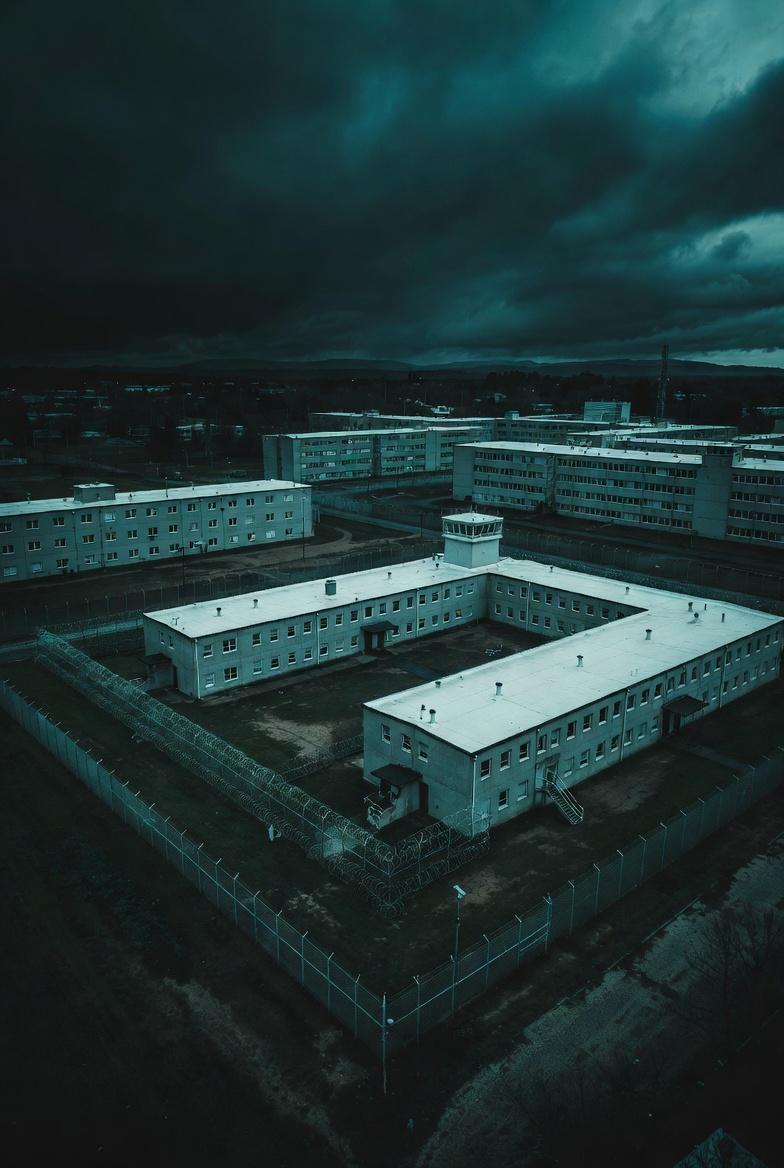
CDCR - Intermountain Adult Conservation (Fire) Camp #22
State Prison | California County — California
CDCR - Intermountain Adult Conservation (Fire) Camp #22 is a medium-security conservation fire camp operated by the California Department of Corrections and Rehabilitation. Despite being listed administratively in San Jose, the facility's physical location is at 651-025 Foothill Road in Bieber, California. This conservation camp houses male inmates who have been selected to participate in wildland firefighting and conservation work programs throughout California's forested regions.
Families seeking to locate inmates at this facility can search through the CDCR inmate locator system. Those with loved ones at Camp #22 can send money through approved CDCR methods, schedule visits according to camp guidelines, and access arrest records through official California corrections channels to stay informed about their incarcerated family member's status.
CDCR - Intermountain Adult Conservation (Fire) Camp #22 is distinguished as one of California's specialized conservation fire camps, where inmates work alongside CAL FIRE crews to protect California's forests and communities from wildfires. Unlike traditional prisons, this facility operates with a focus on outdoor conservation work rather than confinement behind walls. Inmates at Camp #22 receive specialized training in wildland firefighting, operating as hand crews during fire season and performing vital conservation projects during off-season months. The camp's location in the forested Bieber area provides direct access to wilderness areas requiring fire suppression and fuel reduction work, making it an essential component of California's emergency response infrastructure.
CDCR - Intermountain Adult Conservation (Fire) Camp #22 houses a carefully selected population of male inmates who meet specific criteria for conservation camp placement. To qualify for fire camp assignment, inmates must be minimum or medium custody, physically fit, have relatively short sentences remaining, and demonstrate low security risk with no history of violent crimes, arson, or sex offenses. The population consists entirely of sentenced inmates who have already served portions of their terms at other CDCR facilities before being transferred to camp. These individuals typically have committed non-violent property crimes, drug offenses, or other lower-level felonies. The camp does not house pre-trial detainees or high-security inmates, maintaining a population specifically screened for their ability to work safely in remote wilderness settings.
CDCR - Intermountain Adult Conservation (Fire) Camp #22 provides living conditions markedly different from traditional prison environments, reflecting its conservation work mission. Inmates reside in dormitory-style barracks rather than cells, with open sleeping arrangements that accommodate fire crew teams. The camp setting offers considerably more freedom of movement within the facility grounds compared to walled institutions. Meals are served in a communal dining hall with nutrition designed to support the physically demanding work inmates perform. Recreation opportunities include outdoor activities, exercise equipment, and television access during non-working hours. Medical services are available on-site for routine care, with more serious conditions referred to nearby medical facilities or CDCR medical centers. Mental health services provide basic counseling and crisis intervention. The grievance process follows standard CDCR procedures, allowing inmates to formally address concerns about conditions, treatment, or policy violations through written appeals reviewed by camp administrators and corrections officials.
CDCR - Intermountain Adult Conservation (Fire) Camp #22 centers its programming around wildland firefighting training and conservation work skills. Inmates receive comprehensive instruction in fire suppression techniques, chainsaw operation, tool maintenance, and emergency response protocols from CAL FIRE professionals. While traditional academic programs may be limited compared to larger institutions, inmates can access educational materials and may work toward completing GED requirements through correspondence or transferred credits. The primary vocational training involves forestry work, which provides marketable skills in land management, erosion control, and emergency services. Substance abuse programming is available through group counseling sessions and recovery-focused activities. Religious services are conducted periodically by visiting chaplains representing various faiths. Re-entry preparation focuses heavily on leveraging fire camp experience for post-release employment in firefighting, forestry, or related conservation fields, with many former camp participants finding work with fire departments or land management agencies.
Work assignments at CDCR - Intermountain Adult Conservation (Fire) Camp #22 revolve almost entirely around conservation and emergency response activities. During California's fire season, inmates serve as trained hand crews responding to wildfires throughout the state, working under CAL FIRE supervision to dig fire lines, clear vegetation, and protect structures. Off-season work includes fuel reduction projects, trail maintenance, habitat restoration, invasive species removal, and forest thinning to reduce future fire risk. Inside the camp, inmates rotate through essential support positions including kitchen duty, facility maintenance, grounds keeping, and equipment repair. Unlike traditional prison industries, Camp #22's production focus is public service rather than manufacturing, with inmate labor providing crucial support to California's natural resource management and emergency response systems.
The CDCR conservation camp program was established in the 1940s through a partnership between the California Department of Corrections and the California Department of Forestry (now CAL FIRE) to address both inmate rehabilitation needs and the state's growing wildfire challenges. Camp #22 at Intermountain has operated as part of this decades-long conservation camp system, though specific founding dates and construction details for this individual facility are not publicly documented. Conservation camps have evolved significantly over the years, with improvements in safety standards, training protocols, and living conditions. The facility continues serving its original dual mission: providing inmates with meaningful work experience and vocational skills while delivering essential firefighting and conservation services to California communities. The camp's role has become increasingly critical as climate change has intensified California's wildfire seasons, making the trained crews stationed at facilities like Camp #22 vital to state emergency response capabilities.
Visitation at CDCR - Intermountain Adult Conservation (Fire) Camp #22 follows California Department of Corrections guidelines with some flexibility reflecting the camp's less restrictive environment. All visitors must be on the inmate's approved visiting list and present valid government-issued photo identification upon arrival. Dress code requirements prohibit clothing resembling inmate attire, excessively revealing garments, or items that could pose security concerns. Visitors should expect to undergo search procedures before entering the facility. Due to the camp's remote Bieber location and potential deployment of crews during fire season, families should call ahead to confirm visitation hours and verify that their loved one is currently at the facility rather than deployed to a fire incident. Visiting schedules may be modified during active fire season when crews are frequently away on assignments.
To send mail to an inmate at CDCR - Intermountain Adult Conservation (Fire) Camp #22, address correspondence with the inmate's full legal name, CDCR identification number, facility name, and mailing address at 651-025 Foothill Road, PO Box 68, Bieber, CA 96009. All incoming mail undergoes inspection for contraband and prohibited items. Books and magazines must be sent directly from approved vendors or publishers rather than from personal sources. Inmates can make outgoing phone calls through the CDCR-approved telephone system, which requires families to establish prepaid accounts. Phone privileges may be limited when crews are deployed to fire incidents. Email and electronic messaging availability should be confirmed directly with the facility as services vary across conservation camps.
Sponsored and Powered by our Partner TruthFinder
Quick Facts
Should I Be Concerned? — Family Guide
CDCR - Intermountain Adult Conservation (Fire) Camp #22 maintains a strong safety record with zero reported staff assaults. As a medium-security facility specializing in conservation work, it houses lower-risk inmates selected for fire crew participation, contributing to a stable environment. Visitors should expect standard security procedures and allow extra travel time for the remote Lassen County location.
Neighborhood & Getting There
Located in Bieber, California (Lassen County), this facility sits in the northeastern Sierra Nevada region, approximately 200 miles northeast of San Jose proper. The remote location provides access to vast forest areas needed for fire suppression training. Nearby Susanville offers limited lodging and services. Highway 299 provides primary access. The region experiences significant wildfire season activity, making the camp's conservation mission particularly relevant to local operations and emergency management.